Description
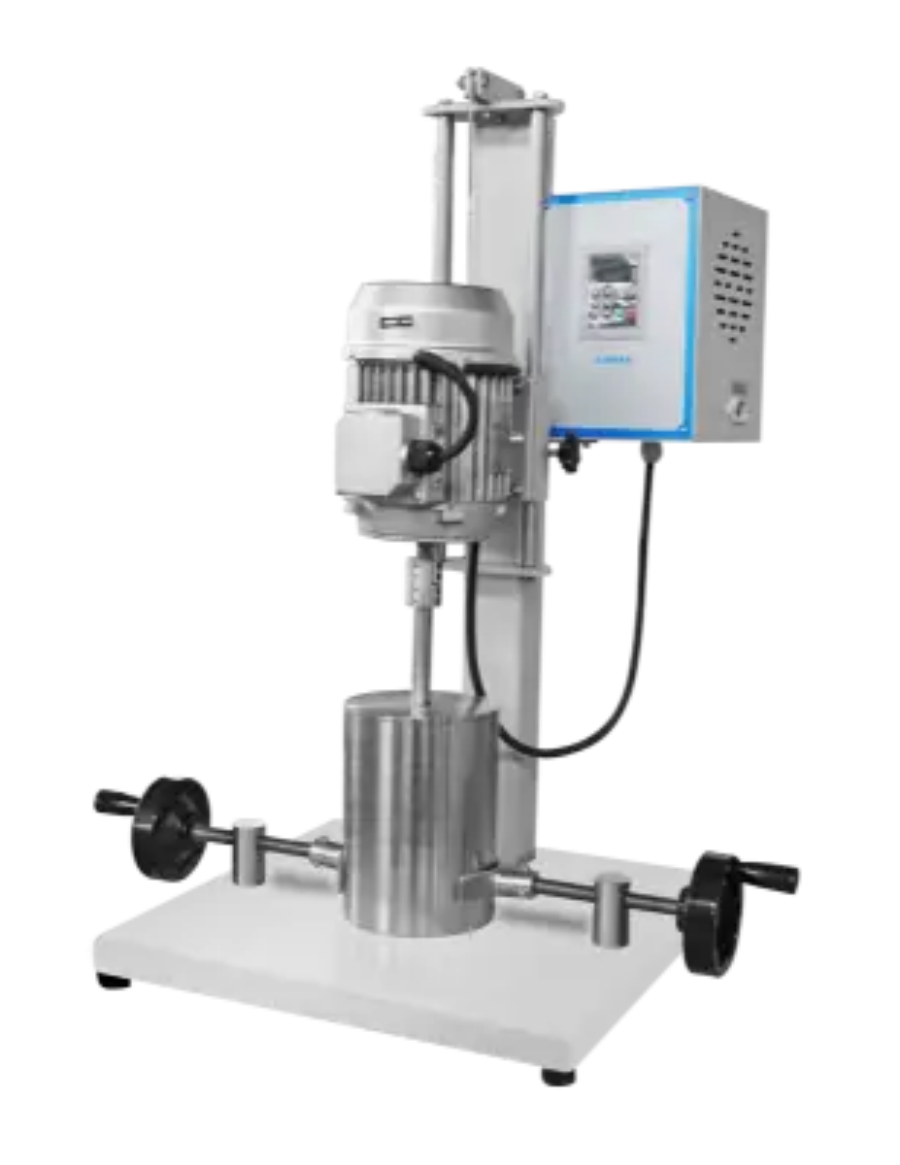
ATOMFAIR SBM-30L LABORATORY STIRRED BALL MILL ULTRASFINE GRINDINGRESEARCH GRADE EQUIPMENT
|
||||||||||||||||||||||||||||||||||||||||||||||||||||||||||||||||||||||||||||||||||||||||||||||||||||||||||||||||||||||||||||||||||||||||||||||||||||||||
|
||||||||||||||||||||||||||||||||||||||||||||||||||||||||||||||||||||||||||||||||||||||||||||||||||||||||||||||||||||||||||||||||||||||||||||||||||||||||
|
TAILORED SOLUTIONS FOR RESEARCH
Contact our engineering team for technical support or official quotations.
EMAIL: inquiry@atomfair.com
|
||||||||||||||||||||||||||||||||||||||||||||||||||||||||||||||||||||||||||||||||||||||||||||||||||||||||||||||||||||||||||||||||||||||||||||||||||||||||
|
Manufacturer: Atomfair LLC
Brand: ATOMFAIR®
|
This document outlines critical safety and handling constraints for the Lab Stirred Mill 30L. Adherence to these constraints prevents equipment damage, material contamination, and personal injury.
- Electrical Safety: Ensure the mill is connected to a properly grounded electrical supply and that all electrical components are dry and free from moisture before operation.
- Mechanical Hazard Prevention: Keep hands and loose clothing away from moving parts such as the stirring rod and rotating cylinder during operation.
- Material Compatibility: Select grinding cylinder and stirring components made of materials compatible with the processed substance to avoid chemical reactions or corrosion.
- Thermal Management: Activate the cooling jacket when processing heat-sensitive materials to prevent thermal degradation or pressure buildup.
- Loading Limits: Do not exceed the specified loading capacity of 10.5 liters to prevent motor overload and mechanical stress.
This procedure describes the safe initialization and operation of the Lab Stirred Mill 30L for ultra-fine grinding. Follow these steps sequentially to ensure proper function and avoid hazards.
Required Equipment: Grinding media (e.g., zirconia beads), Cooling unit, Control panel
- Inspect Equipment
Inspect the grinding cylinder, stirring rod, and seals for cleanliness, wear, or damage before each use. - Load Grinding Media
Fill the grinding cylinder with the appropriate grinding media to approximately one-third of the cylinder volume. - Add Material
Add the material to be ground into the cylinder, ensuring the total load does not exceed the maximum loading capacity. - Secure Cylinder
Close and secure the cylinder lid, then engage the automatic lifting mechanism to position the stirring rod. - Set Parameters
Set the desired rotation speed and grinding time on the control panel, and activate the cooling jacket if needed. - Start Grinding
Start the mill and monitor for abnormal vibration, noise, or temperature rise during operation. - Stop and Unload
Stop the mill after the set time, allow it to cool, then tilt the cylinder to discharge the ground material.
How does the choice of grinding media size impact the final particle size distribution in the 30L stirred mill?
Larger grinding media produce coarser powders, while smaller media yield finer particles, with achievable discharge sizes down to ≤1 μm as specified for ultra-fine grinding. The optimal media size ratio combined with speed adjustment between 60–310 rpm for the JM-30L model maximizes grinding efficiency for sub-micron applications.
Which lining materials are available to prevent metal contamination when grinding high-purity ceramic powders?
Optional wear-resistant materials include corundum ceramic, polyurethane, zirconia, agate, and PTFE linings for both the grinding cylinder and stirring components, as listed in the product features. For high-purity ceramic processing, zirconia or corundum linings are recommended to avoid metallic ion leaching into the product.
Does the 30L stirred mill require an external chiller for temperature-sensitive grinding processes?
The grinding cylinder is designed with a jacket that allows precise control of the grinding temperature, but an external cooling source such as a recirculating chiller or chilled water supply is required to remove process heat. For extended continuous operation or heat-sensitive materials, active cooling is essential to maintain thermal stability and prevent degradation.
The 30L Lab Stirred Mill (4 kW) delivers submicron grinding down to ≤1 μm with high energy efficiency and interchangeable wear-resistant components, though optimal performance demands careful auxiliary system integration and media recipe optimization.
Positive
- High Energy Efficiency and Power Density: The mill features high energy utilization and power density, providing outstanding energy-saving performance while delivering efficient ultra-fine grinding.
- Versatile Material and Process Options: Interchangeable grinding cylinders and stirring components in materials like stainless steel, zirconia, and polyurethane enable adaptation to diverse materials and contamination-sensitive applications.
Trade-offs
- Auxiliary System Dependencies: Operation requires integrated auxiliary devices such as circulation units, cooling units, and timing/speed control systems, increasing infrastructural complexity and maintenance overhead.
- Media Optimization Required for Consistent Results: Achieving the specified ≤1 μm fineness depends on proper selection and ratio of grinding media sizes and shapes combined with appropriate speed adjustment, requiring operator expertise and iterative process development.
Every advanced material, component, equipment, and instrument in our catalog is backed by rigorous testing. We maintain strict internal quality management frameworks and align with CE conformity metrics to deliver transparent, reproducible performance data via our public open-science repository.
To request raw batch performance data, submit formal vendor registration paperwork, or execute a fast-turnaround R&D manufacturing loop, contact us at inquiry@atomfair.com.
Item is dispatched under the Atomfair Shipping & Delivery Framework (Free worldwide shipping on orders over $59 USD). Return is governed by the Atomfair Return & Refund Policy (7-day technical return window).