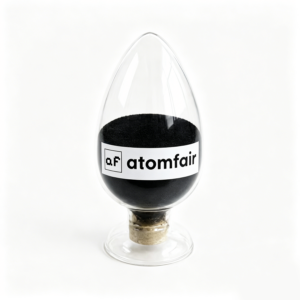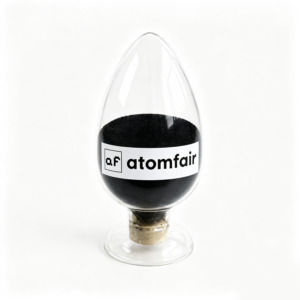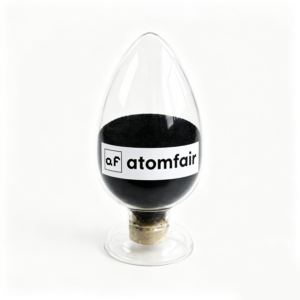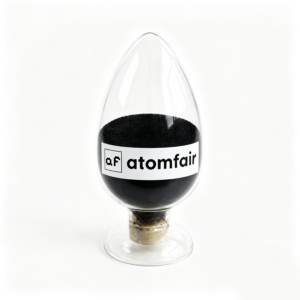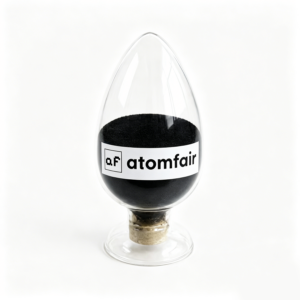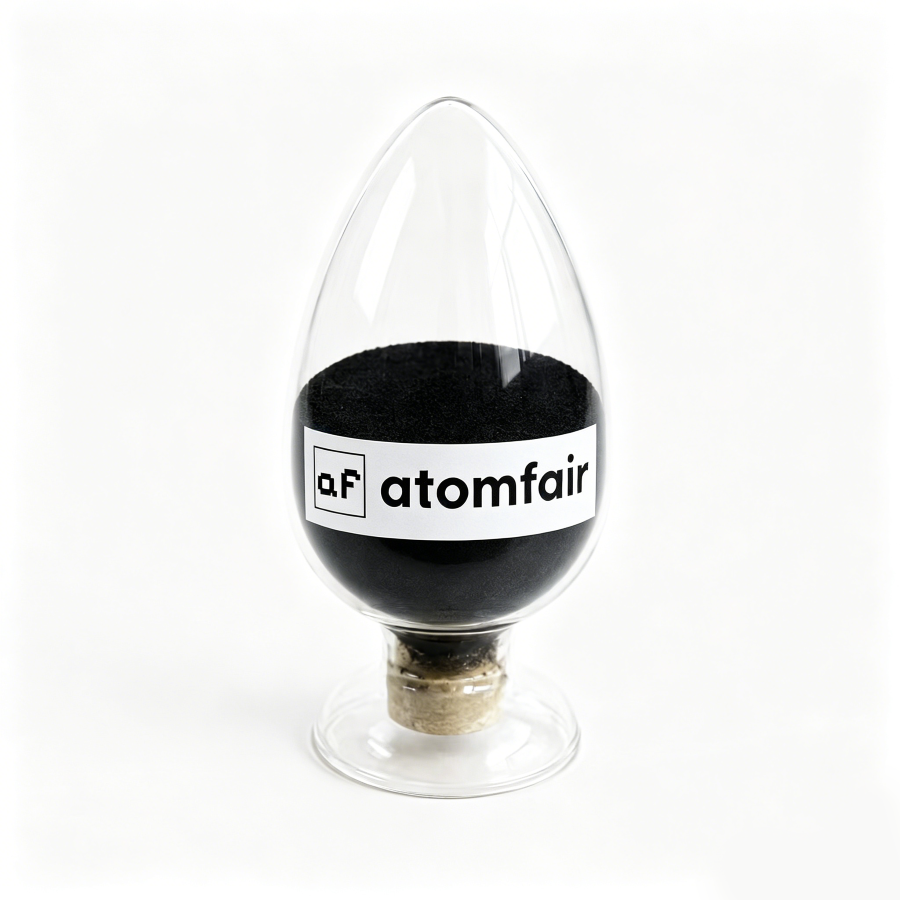
ATOMFAIR NCM811 HIGH-CAPACITY CATHODE POWDER 205 MAH/G 4.25VRESEARCH GRADE MATERIAL
|
|||||||||||||||||||||||||||||||||||||||||||||||||
|
|||||||||||||||||||||||||||||||||||||||||||||||||
|
TAILORED SOLUTIONS FOR RESEARCH
Contact our engineering team for technical support or official institutional quotations.
EMAIL: INQUIRY@ATOMFAIR.COM
|
|||||||||||||||||||||||||||||||||||||||||||||||||
|
Manufacturer: Atomfair LLC
Brand: ATOMFAIR®
|
|||||||||||||||||||||||||||||||||||||||||||||||||
This cathode powder contains residual surface lithium compounds that are reactive with atmospheric moisture. Storage and handling must be performed under dry inert atmosphere to prevent material degradation.
- Moisture Sensitivity: Store the powder in an argon-filled glovebox to avoid reaction with water vapor that forms lithium hydroxide.
- Voltage Limit: Do not charge cells above 4.25 V to prevent oxygen release and structural collapse of the layered oxide cathode.
- Toxicity Precautions: Handle with appropriate personal protective equipment due to the presence of nickel, cobalt, and manganese compounds.
This procedure describes the safe receipt, transfer, and storage of NCM811 cathode powder to maintain its integrity. All steps must be performed under inert atmosphere to prevent moisture contamination.
Required Equipment: Argon-filled glovebox, Sealed storage vials, Antechamber with purge cycle
- Inspect Packaging
Inspect the sealed container for any signs of physical damage or moisture exposure upon receipt. - Transfer to Glovebox
Transfer the container into an argon-filled glovebox via the antechamber and perform at least three purge cycles. - Store Under Inert Atmosphere
Open the container only inside the glovebox and store the powder in a sealed vial to minimize contact with trace oxygen and moisture.
What performance trade-off does the 4.25V voltage limit impose on the 205 mAh/g capacity of this NCM811 cathode powder?
The 4.25V upper voltage limit is critical to suppress irreversible phase transitions and oxygen evolution in the high-nickel layered structure, as verified by XRD showing no secondary impurity peaks. This trade-off enables a typical 0.2C discharge capacity of 205 mAh/g and first coulombic efficiency of 90.5%, whereas higher voltages would risk capacity fading and structural degradation.
What integration constraints arise from the high pH and residual surface lithium of this NCM811 powder during electrode processing?
The residual free lithium at 1238 ppm and slurry pH of 11.60 require electrode processing in a dry environment with moisture levels below 400 ppm to prevent the formation of LiOH and Li2CO3, which can cause slurry gelation and coating defects. The spec sheets confirm powder moisture content is tightly controlled at 218 ppm typical via Karl Fischer analysis, so processing in a dry room or glovebox is essential to maintain the first coulombic efficiency above the 88.0% minimum.
What storage and handling infrastructure is required to maintain the electrochemical performance of this NCM811 cathode powder?
To preserve its low moisture content (<400 ppm) and residual lithium levels (1238 ppm typical), the powder must be stored in hermetically sealed containers under dry inert gas (argon or nitrogen) away from ambient humidity. The material's tap density of ≥2.10 g/cm³ and apparent density of ≥1.20 g/cm³ facilitate consistent handling, but exposure to air will rapidly degrade its first coulombic efficiency below the 88.0% minimum specification.
This NCM811 cathode powder offers a typical 0.2C discharge capacity of 205 mAh/g with a first-cycle efficiency of 90.5%, enabled by tightly controlled main-element stoichiometry and very low magnetic foreign matter (15 ppb). The spherical aggregate morphology and tap density of 2.40 g/cm³ are well-suited for high-energy-density electrode prototyping, though the residual surface lithium (~1238 ppm) and alkaline slurry pH (11.6) require rigorous dry-room handling and compatible binder systems.
Positive
- High reversible capacity and efficiency: Typical 0.2C discharge capacity of 205 mAh/g with a minimum guarantee of 202 mAh/g, combined with a first coulombic efficiency of 90.5% (≥88.0% min), enables high initial energy utilization in coin-cell or pouch-cell prototypes.
- Low impurity and magnetic contamination: Trace metallic impurities (Fe ≤14 ppm, Cu ≤7 ppm) and magnetic foreign matter (Fe+Cr+Zn <50 ppb, actual 15 ppb) minimize parasitic side reactions and self-discharge pathways during long-term cycling.
Trade-offs
- Residual surface free lithium: Free Li+ measured at 1238 ppm (<2000 ppm spec) can promote slurry gelation with PVDF binders and requires either a washing step or use of reactive binder chemistries (e.g., polyamide-imide) to maintain coating uniformity.
- High pH and moisture sensitivity: Slurry pH of 11.6 ± 0.20 and moisture content of <400 ppm (actual 218 ppm) demand a dry-room atmosphere (dew point ≤ -40°C) and immediate electrode processing after slurry preparation to avoid LiOH/Li2CO3 surface reconstruction.
Every advanced material, component, equipment, and instrument in our catalog is backed by rigorous testing. We maintain strict internal quality management frameworks and align with CE conformity metrics to deliver transparent, reproducible performance data via our public open-science repository.
To request raw batch performance data, submit formal vendor registration paperwork, or execute a fast-turnaround R&D manufacturing loop, contact us at inquiry@atomfair.com.
Item is dispatched under the Atomfair Shipping & Delivery Framework (Free worldwide shipping on orders over $59 USD excl. heavy equipment). Return is governed by the Atomfair Return & Refund Policy (7-day technical return window).