Description
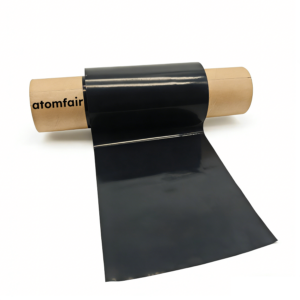
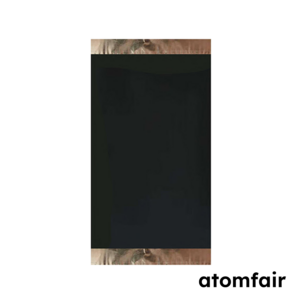
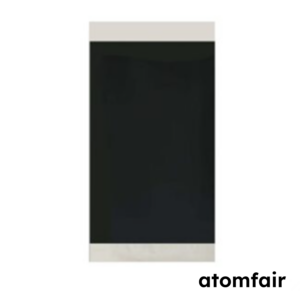
ATOMFAIR® NFM111-S01 SODIUM NICKEL IRON MANGANESE OXIDE ELECTRODE SHEETRESEARCH GRADE MATERIAL
|
||||||||||||||||||||||||||||||||||||||||||||||
|
||||||||||||||||||||||||||||||||||||||||||||||
|
|||
|
TAILORED SOLUTIONS FOR RESEARCH
Contact our engineering team for technical support or official institutional quotations.
EMAIL: inquiry@atomfair.com
|
|||
|
Manufacturer: ATOMFAIR LLC
Brand: ATOMFAIR®
|
This electrode sheet is moisture-sensitive and should be stored under inert atmosphere. The carbon-coated aluminum substrate requires careful handling to avoid creasing or tearing.
- Storage Atmosphere: Store the electrode sheets in an argon-filled glovebox with oxygen and moisture levels below 0.1 ppm.
- Substrate Handling: Handle sheets by the edges to prevent damage to the carbon coating and aluminum foil.
How does the active material ratio of 95.30% affect the measured specific capacity of the NFM111 electrode?
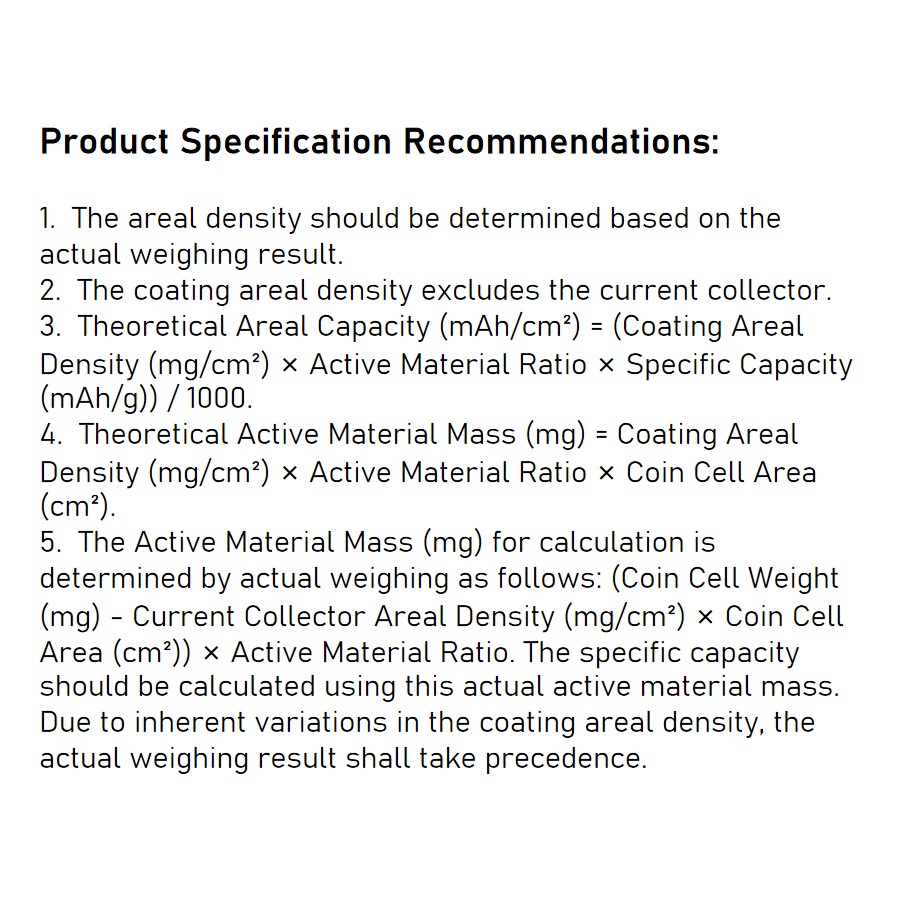
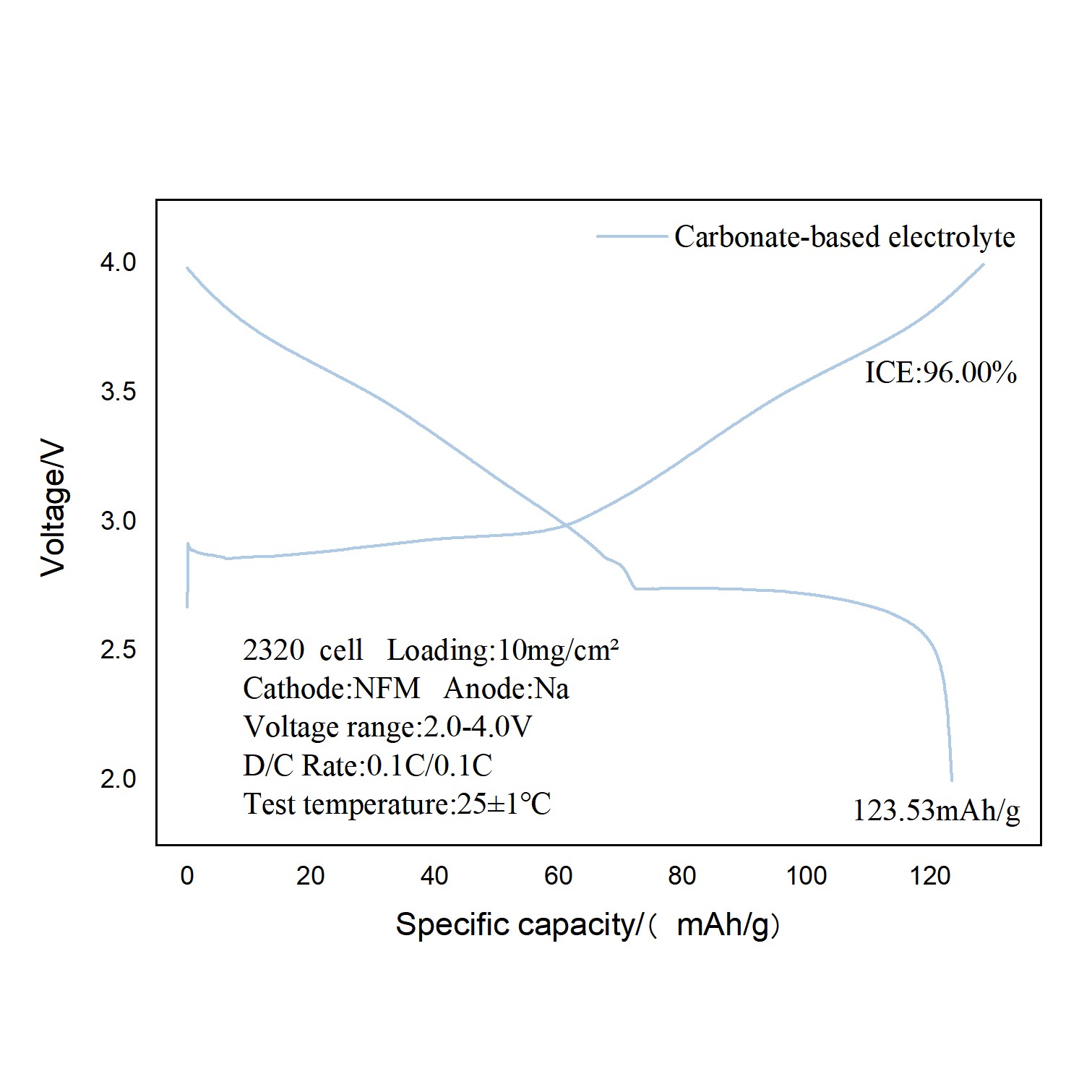
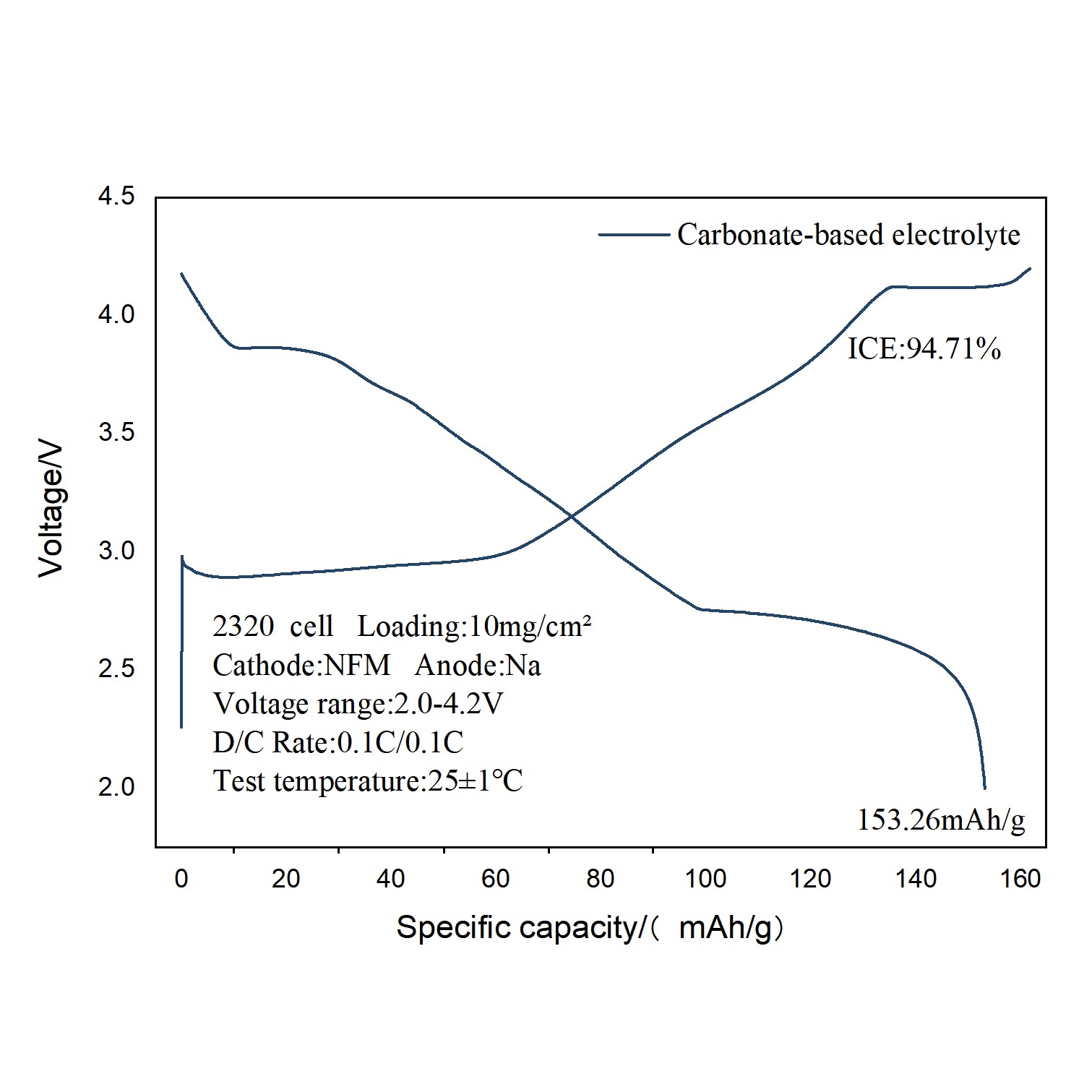
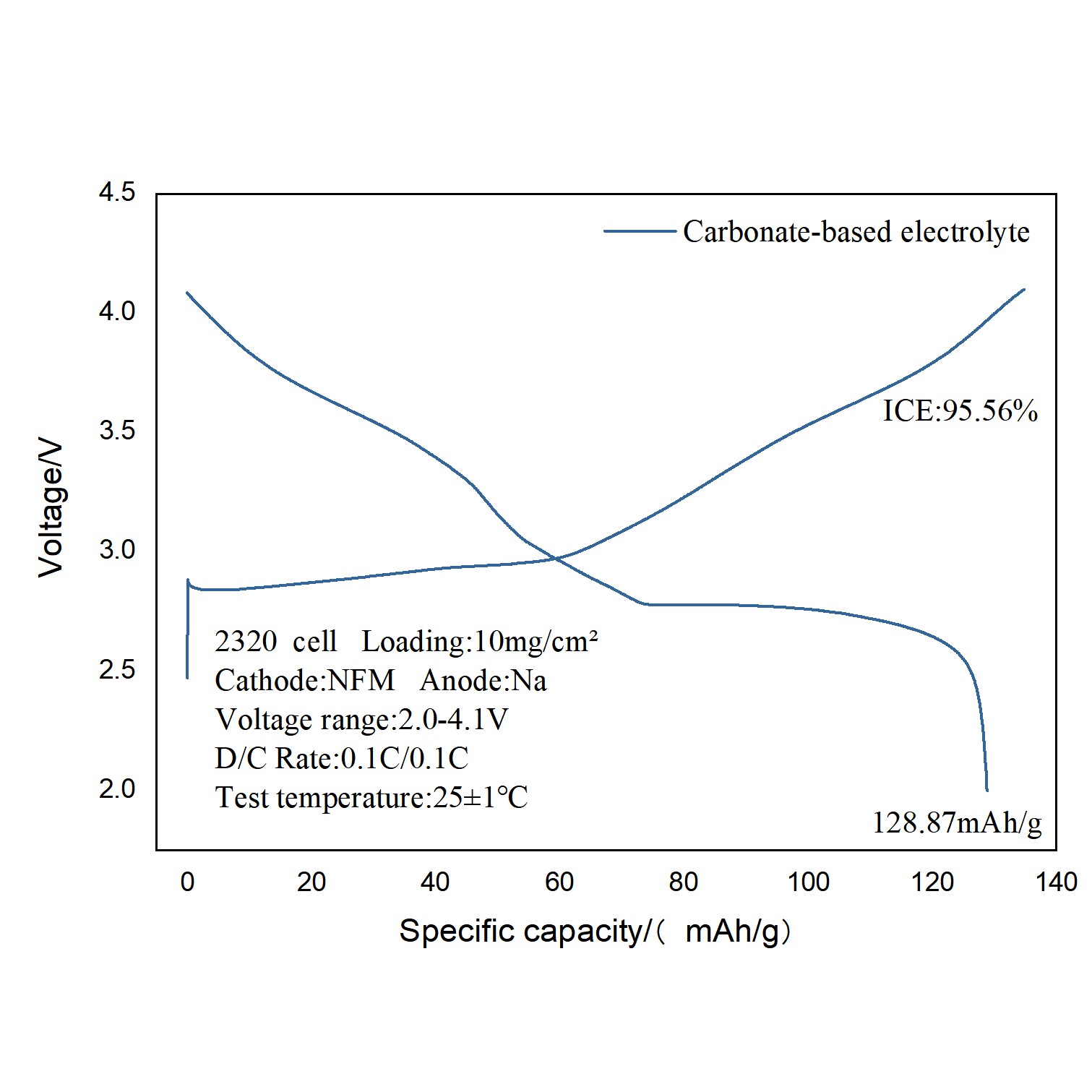
The nominal specific capacity of 125 mAh/g is based on the active material mass. With a 95.30% active material ratio, the dilution from binders and conductive additives is minimized, ensuring that the measured capacity closely reflects the intrinsic performance of the NFM111 sodium nickel iron manganese oxide.
What substrate is used for the NFM111 electrode and how does its carbon coating influence half-cell assembly?
The electrode uses carbon-coated aluminum foil substrate with a total thickness of 13 μm (12 μm aluminum foil plus 0.5 μm carbon coating on each side). The carbon layer reduces contact resistance and improves adhesion when assembling sodium-ion half-cells, enabling stable electrochemical testing.
What is the required pre-processing baking protocol for the NFM111 electrode and why is vacuum necessary?
The electrode must be vacuum-baked at 100°C for 12 hours to remove adsorbed moisture and residual solvents. Vacuum is required to prevent oxidation of the carbon coating and to ensure the electrode delivers its nominal capacity of 125 mAh/g during subsequent electrochemical evaluation.
The NFM111-S01 single-sided cathode delivers a high active material ratio of 95.30% and a nominal capacity of 125 mAh/g on carbon-coated aluminum foil, making it well-suited for sodium-ion battery R&D, though it requires a 12-hour vacuum bake at 100°C before use and is restricted to laboratory research only.
Positive
- High active material loading: With 95.30% active material ratio and 10 mg/cm² coating density, this electrode maximizes energy density per unit area, reducing parasitic mass from binders and conductive additives.
- Carbon-coated aluminum substrate: The carbon-coated aluminum foil current collector improves adhesion of the NFM111 coating and enhances electronic conductivity, enabling reliable half-cell and full-cell electrochemical testing.
Trade-offs
- Mandatory vacuum baking protocol: The electrode requires a 12-hour vacuum bake at 100°C prior to use, imposing a processing delay and the need for vacuum oven infrastructure in the laboratory.
- Restricted to R&D applications: Sold exclusively for laboratory research and not intended for commercial production, limiting scalability and application to pilot or manufacturing lines.
Every advanced material, component, equipment, and instrument in our catalog is backed by rigorous testing. We maintain strict internal quality management frameworks and align with CE conformity metrics to deliver transparent, reproducible performance data via our public open-science repository.
To request raw batch performance data, submit formal vendor registration paperwork, or execute a fast-turnaround R&D manufacturing loop, contact us at inquiry@atomfair.com.
Item is dispatched under the Atomfair Shipping & Delivery Framework (Free worldwide shipping on orders over $59 USD). Return is governed by the Atomfair Return & Refund Policy (7-day technical return window).