
Electrolytes, Salts, Solvents & Additives
Electrolytes, Salts, Solvents & Additives focuses on the key material components used in battery electrolyte formulation, including electrolyte salts, battery-grade solvents, functional additives, ionic liquids, and ready-to-use electrolyte blends. These materials jointly determine ionic conductivity, interphase formation, electrochemical stability window, temperature adaptability, rate capability, and cycling stability.
This category supports lithium-ion batteries, sodium-ion batteries, high-voltage systems, high-rate systems, silicon-based anodes, low-temperature electrolytes, gel electrolytes, and ionic-liquid electrolyte research. Researchers can select single components, paired formulation materials, or pre-mixed electrolytes according to electrode chemistry, target voltage, salt concentration, solvent ratio, additive function, moisture control, and cell test format.
The category is organized around electrolyte formulation roles: salts provide mobile ions, solvents dissolve and transport ions, additives regulate interfacial reactions, ionic liquids support low-volatility or gel electrolyte systems, and pre-formulated electrolytes help accelerate screening and cell validation.
Show More
Select Materials by Formulation Role
| Formulation Role | Representative Material Directions | Key Selection Factors |
|---|---|---|
| Electrolyte salts | LiPF6, LiFSI, LiTFSI, LiBF4, LiBOB, LiDFOB, lithium triflate, NaFSI, NaTFSI, NaBF4, NaDFOB, and related salt systems | Ionic conductivity, solubility, voltage stability, thermal stability, moisture level, and electrode/current collector compatibility |
| Battery-grade solvents | EC, DMC, DEC, EMC, PC, fluorinated carbonates, phosphate solvents, ether solvents, and mixed solvent systems | Salt dissolution, viscosity, dielectric behavior, low-temperature performance, volatility, flash point, and electrode wetting |
| Functional additives | FEC, VC, DTD, LiDODFP, fluorinated film-forming additives, high-voltage additives, flame-retardant additives, and interphase modifiers | SEI/CEI formation, gas control, high-voltage stability, silicon-anode compatibility, low-temperature cycling, and safety behavior |
| Ionic liquids | Imidazolium, pyrrolidinium, and functionalized ionic liquids with TFSI/NTf2, FSI, BF4, PF6, Cl, Br, and related anions | Low volatility, thermal stability, flame resistance, viscosity, conductivity, electrochemical window, and gel-electrolyte compatibility |
| Pre-formulated electrolytes | High-voltage electrolytes, high-rate electrolytes, LFP/graphite blends, NMC blends, lithium titanate electrolytes, and sodium-ion electrolyte systems | Fast screening, formulation consistency, salt concentration, additive package, electrode pairing, and voltage range |
Select by Research Objective
| Research Objective | Recommended Screening Direction | Critical Parameters to Confirm |
|---|---|---|
| Baseline lithium-ion testing | LiPF6 with carbonate solvents and FEC/VC-type film-forming additives | Cathode system, anode type, upper cutoff voltage, and target cycling protocol |
| High-voltage cathodes | High-purity lithium salts, fluorinated solvents, phosphate additives, and CEI-stabilizing additives | Oxidation stability, aluminum current collector compatibility, gas generation, and capacity retention |
| Silicon or silicon-carbon anodes | FEC, VC, DTD, fluorinated additives, and salts that support stable SEI formation | Initial coulombic efficiency, volume-expansion side reactions, SEI robustness, and additive consumption rate |
| Sodium-ion batteries | NaFSI, NaTFSI, NaBF4, NaDFOB, and sodium-compatible solvent/additive systems | Hard-carbon compatibility, low-temperature response, gas swelling, and salt solubility |
| High-rate cells | Low-viscosity solvents, high-conductivity salts, and low-impedance interphase additives | Conductivity, viscosity, electrode wetting, rate cycling behavior, and heat generation |
| Low-temperature electrolytes | Low-melting or low-viscosity solvents, low-temperature film-forming additives, and compatible salt systems | Low-temperature conductivity, lithium plating risk, charging rate, and recoverable capacity |
| Ionic-liquid or gel systems | TFSI/FSI-type ionic liquids and polymer-compatible electrolyte additives | Viscosity, conductivity, gelation route, electrochemical window, and interfacial impedance |
Key Specifications to Confirm
For electrolyte salts, confirm purity, moisture content, free acid, metal impurities, anion chemistry, CAS number, molecular formula, packaging size, and storage conditions. For LiPF6, LiFSI, LiTFSI, and selected sodium salts, moisture and acidic impurities can strongly affect electrolyte stability and interfacial side reactions.
For solvents, confirm battery grade, moisture level, purity, stabilizer status, acid value, boiling point, viscosity, dielectric behavior, and lot-to-lot consistency. Solvent systems are usually optimized as blends, balancing conductivity, low-temperature behavior, wetting, volatility, and safety.
For additives, define the experimental target first: SEI improvement, CEI stabilization, high-voltage operation, gas reduction, low-temperature performance, silicon-anode compatibility, or safety enhancement. Additive performance is highly dependent on concentration, electrode material, salt chemistry, solvent ratio, and formation protocol.
For pre-formulated electrolytes, provide cathode material, anode material, target voltage, salt concentration, solvent family, additive objective, test temperature, cell format, and cycling protocol. Pre-formulated electrolytes are useful for fast benchmarking, while mechanism studies typically require controlled single-component or limited-variable formulations.
Formulation Development Path
| Development Stage | Suggested Purchasing Approach | Primary Goal |
|---|---|---|
| Initial screening | Select common salts, baseline solvents, and a small set of core additives | Build a reference formulation and verify system viability |
| Variable optimization | Design gradients for salt concentration, solvent ratio, and additive loading | Balance conductivity, cycling stability, gas behavior, and impedance |
| Mechanism validation | Use high-purity single components and controlled additive combinations | Analyze SEI/CEI formation, impedance evolution, and side reaction sources |
| Application validation | Use pre-formulated or customized mixed electrolytes | Improve repeatability and reduce manual mixing variation |
| Pre-scale-up evaluation | Confirm moisture level, impurity profile, packaging, storage, and transport requirements | Reduce formulation drift from laboratory testing to pilot evaluation |
FAQ
For high-voltage cathodes, should salt chemistry or additives be screened first?
It is usually better to establish the base salt and solvent system first, then screen CEI-stabilizing additives. If the base electrolyte has insufficient oxidative stability, additives may only provide short-term improvement without resolving continuous side reactions.
What should be evaluated when replacing LiPF6 with LiFSI or LiTFSI?
Key factors include aluminum current collector corrosion, voltage window, cost, salt concentration, viscosity shift, and additive synergy. LiFSI or LiTFSI may improve conductivity or low-temperature behavior in some systems, but they should not be treated as direct drop-in replacements without validation.
How should FEC concentration be screened for silicon-based anodes?
Researchers typically screen low, medium, and high FEC loadings rather than a single concentration. Initial coulombic efficiency, capacity retention, impedance growth, and gas generation should be tracked together because excessive FEC may increase impedance or side reactions.
Can VC, DTD, and FEC be used together?
Yes, they can be screened as a combined additive package, but variables should be controlled carefully. Film-forming additives may show synergy or competitive reduction, so formation curves, EIS, cycling data, and gas behavior should be compared.
Why can the same sodium salt behave differently with different hard carbons?
Hard carbon surface structure, specific surface area, defect sites, and pretreatment history all influence SEI formation. Salt and additive performance should be evaluated with the specific hard carbon, cathode chemistry, and voltage window used in the study.
Is low-temperature electrolyte design mainly about lowering solvent viscosity?
No. Low-temperature performance also depends on salt dissociation, solvation structure, SEI impedance, electrode wetting, and charging rate. Low-viscosity solvents can help, but salt chemistry and additive selection remain critical.
Are pre-formulated electrolytes suitable for mechanism studies?
They are useful for benchmarking and fast validation. For mechanism studies focused on the role of a specific salt, solvent, or additive, controlled single-component or limited-variable formulations are usually more informative.
What is often overlooked when screening ionic-liquid electrolytes?
Viscosity and interfacial impedance are often underestimated. Ionic liquids may offer low volatility and strong thermal stability, but high viscosity can limit rate capability, and electrode compatibility must be verified in real cell tests.
Showing 97–112 of 157 results
-
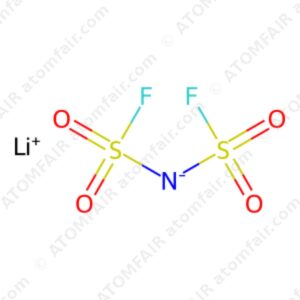
Lithium Bis(fluorosulfonyl)imide LiFSI 99.9%
Price range: $240.00 through $285.00 -
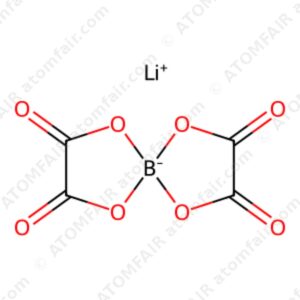
Lithium Bis(oxalate)borate 99.5% Battery Grade
Price range: $251.00 through $335.00 -
Lithium Bromide LiBr 99.99% Research Grade ATOMFAIR®
Price range: $282.00 through $495.00 -
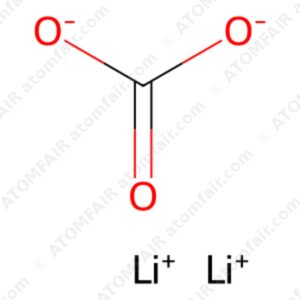
Lithium Carbonate 99.95% Battery Grade Moisture
Price range: $281.00 through $495.00 -
Lithium Chloride (LiCl) ≥99.9% Research Grade ATOMFAIR®
Price range: $1,040.00 through $2,308.00 -
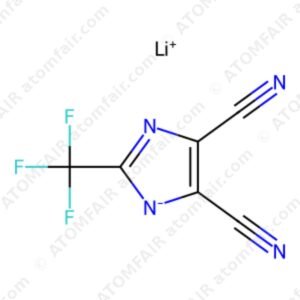
Lithium Dicyano-2-trifluoromethylimidazole 99.9%
$755.00 -
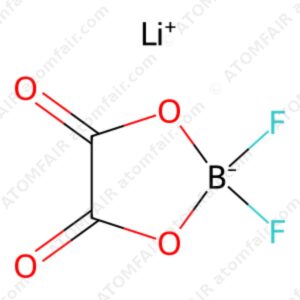
Lithium Difluoro(oxalato)borate 99.5% Battery
Price range: $251.00 through $335.00 -
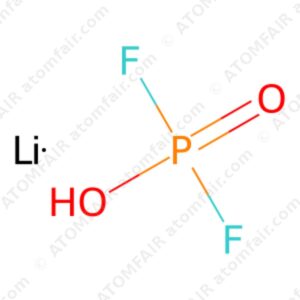
Lithium Difluorophosphate LiPO₂F₂ 99.5% Powder
Price range: $244.00 through $331.00 -
Lithium Fluoride 99.9% High-Purity Research Grade ATOMFAIR®
Price range: $265.00 through $418.00 -
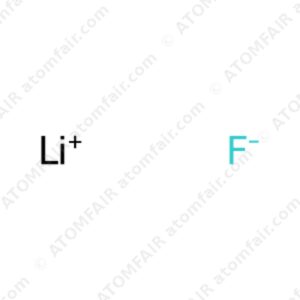
Lithium Fluoride 99.95% Battery Grade LiF Powder
$627.00 -
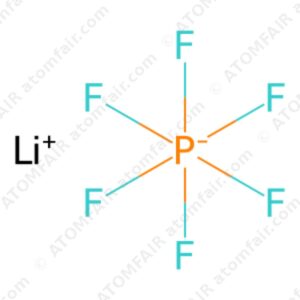
Lithium Hexafluorophosphate 99.95% Research Grade
Price range: $741.00 through $1,745.00 -
Lithium Hexafluorophosphate LiPF6 99.9% Grade ATOMFAIR®
$429.00 -
Lithium Hexafluorophosphate LiPF6 Powder 99.97% ATOMFAIR®
Price range: $741.00 through $1,745.00 -
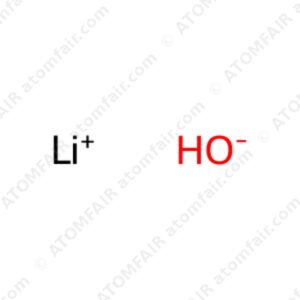
Lithium Hydroxide Monohydrate 56.8% Battery Grade
Price range: $240.00 through $306.00 -
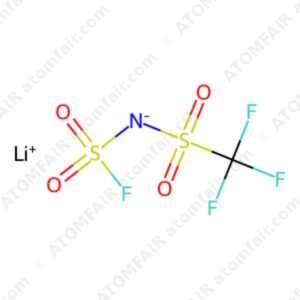
Lithium LiFTFSI White Powder 99.9% Battery Grade
$886.00 -
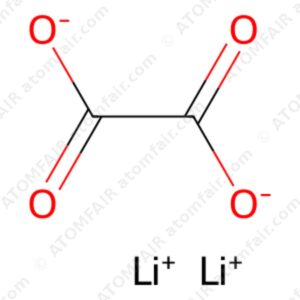
Lithium Oxalate 99.95% Battery Grade CAS 553-91-3
Price range: $266.00 through $378.00