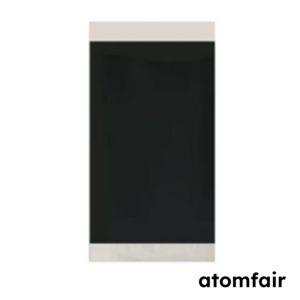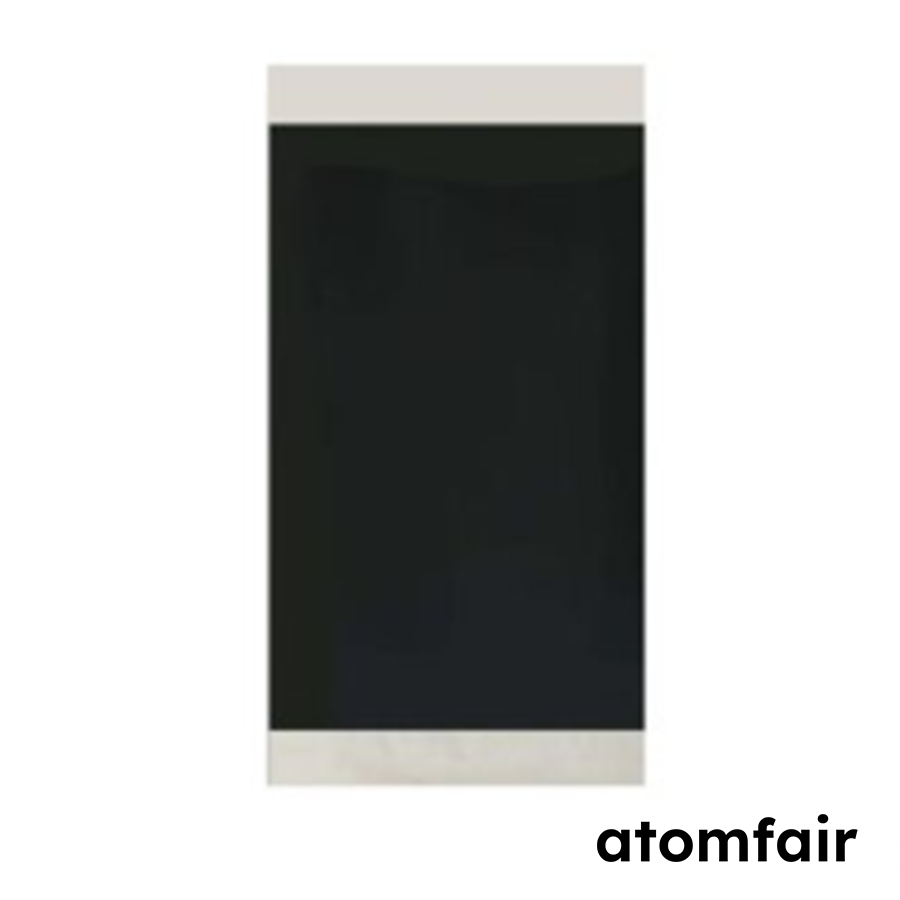
Description
ATOMFAIR® SINGLE-SIDED SODIUM VANADIUM PHOSPHATE COATED ALUMINUM FOIL FOR BATTERY RESEARCHRESEARCH GRADE MATERIAL
|
|||||||||||||||||||||||||||
|
|||||||||||||||||||||||||||
|
TAILORED SOLUTIONS FOR RESEARCH
Contact our engineering team for technical support or official institutional quotations.
EMAIL: INQUIRY@ATOMFAIR.COM
|
|||||||||||||||||||||||||||
|
Manufacturer: Atomfair LLC
Brand: ATOMFAIR®
|
|||||||||||||||||||||||||||
Store the foil in a dry, inert atmosphere to prevent moisture absorption and degradation of the sodium vanadium phosphate coating. Avoid mechanical abrasion or bending that could compromise the coating layer.
- Moisture Sensitivity: The active coating is sensitive to ambient moisture and should be stored under dry conditions or in a glovebox.
What is the typical coating thickness of single-sided NVP aluminum foil and how does it affect electrode loading?
The coating thickness is typically around 10–20 μm, as stated in the product specifications. This range represents a trade-off: thicker coatings increase active material loading for higher capacity but may reduce adhesion and rate performance, while thinner coatings improve rate capability at the cost of areal capacity. The exact thickness may vary, so researchers should characterize each sheet for reproducible electrode fabrication.
Can this single-sided NVP coated aluminum foil be used directly as a cathode in standard sodium-ion coin cell assembly?
Yes, the foil is designed for direct use as a cathode electrode in sodium-ion battery research without additional coating steps. The single-sided sodium vanadium phosphate layer is pre-applied on a conductive aluminum substrate, enabling straightforward electrode punching and cell assembly. Researchers should ensure proper electrolyte wetting and avoid damaging the coating during handling and cutting.
What storage conditions are required to maintain the integrity of NVP coated aluminum foil?
The manufacturer recommends storing the foil in a cool, dry environment to prevent degradation. Sodium vanadium phosphate can be sensitive to moisture, so the sheets should be kept in sealed packaging or a desiccator away from humid air. Additionally, store the foil flat to avoid creases or bends that could compromise the coating uniformity and electrode performance.
This single-sided sodium vanadium phosphate coated aluminum foil is engineered for sodium-ion battery electrode research, providing excellent electrochemical stability and conductivity from the aluminum substrate, though users must account for storage sensitivity to moisture and coating thickness variability that may affect experimental reproducibility.
Positive
- Innovative NVP coating: Coated with sodium vanadium phosphate, known for excellent electrochemical properties that contribute to high capacity and stability in sodium-ion battery electrodes.
- Effective aluminum conductivity: Aluminum substrate ensures effective electrical conductivity, enhancing battery performance and efficiency during electrochemical testing.
Trade-offs
- Storage environment sensitivity: Must be stored in a cool, dry environment to prevent degradation of the coating, which imposes infrastructure requirements for long-term material stability.
- Coating thickness variability: Coating thickness is typically 10-20 μm but exact thickness may vary, potentially introducing batch-to-batch variability in electrode fabrication experiments.
Every advanced material, component, equipment, and instrument in our catalog is backed by rigorous testing. We maintain strict internal quality management frameworks and align with CE conformity metrics to deliver transparent, reproducible performance data via our public open-science repository.
To request raw batch performance data, submit formal vendor registration paperwork, or execute a fast-turnaround R&D manufacturing loop, contact us at inquiry@atomfair.com.
Item is dispatched under the Atomfair Shipping & Delivery Framework (Free worldwide shipping on orders over $59 USD). Return is governed by the Atomfair Return & Refund Policy (7-day technical return window).