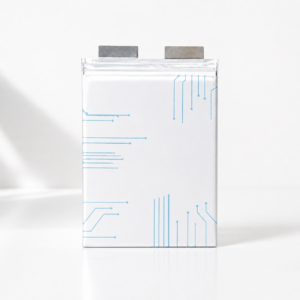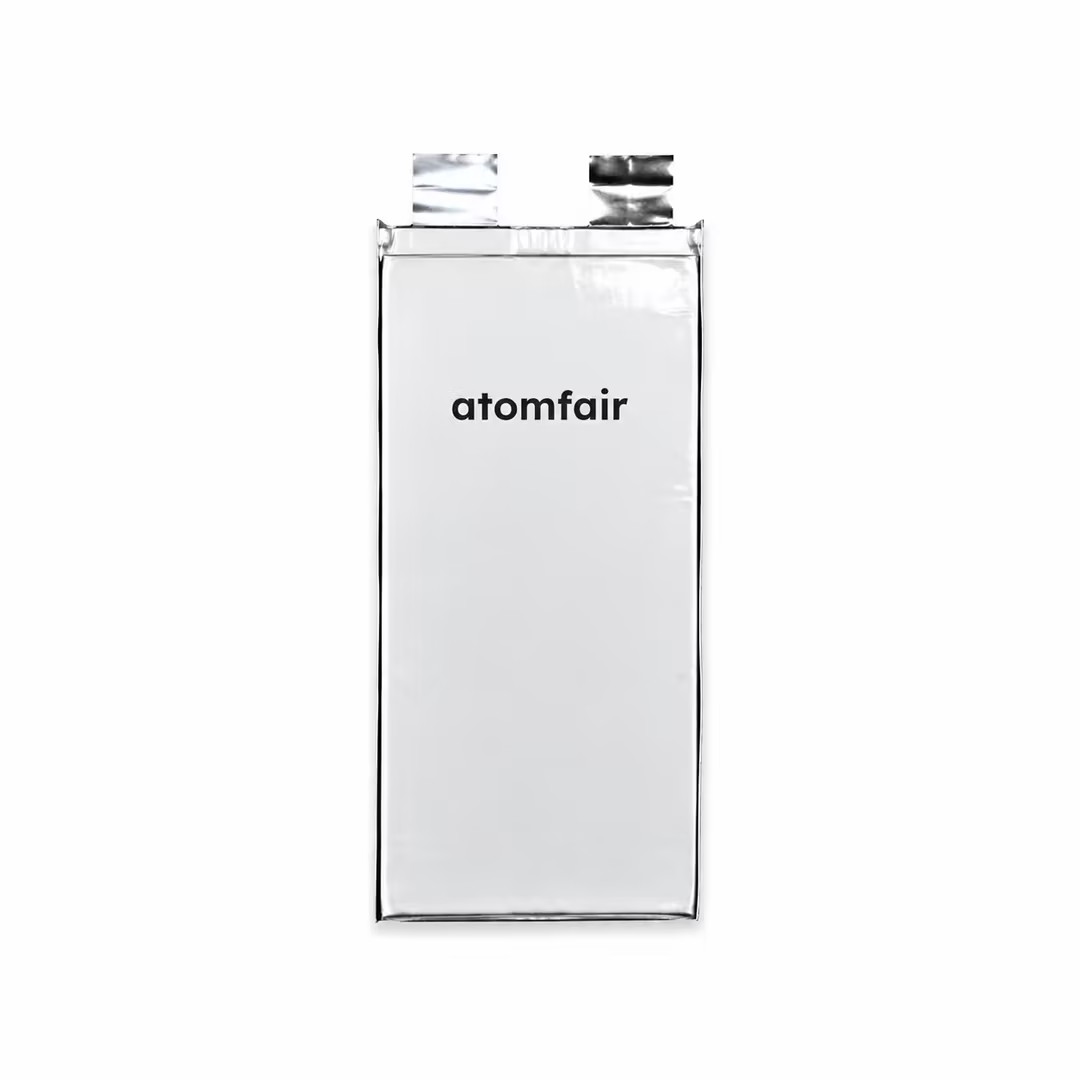
Description
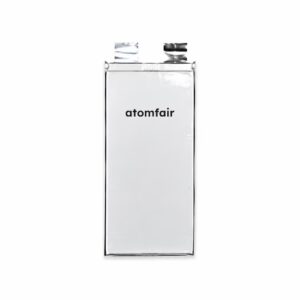
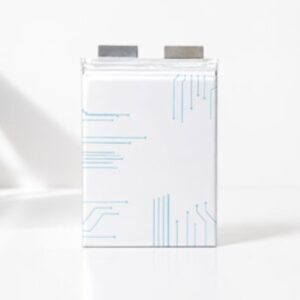
High-Energy-Density Power-Type Semi-Solid Battery – Long Cycle Series | ATOMFAIRCOMMERCIAL GRADE · PRODUCTION
|
|||||||||||||||||||||||||||||||||||||||||||
|
|||||||||||||||||||||||||||||||||||||||||||
|
TAILORED SOLUTIONS FOR RESEARCH
Contact our engineering team for technical support or official institutional quotations.
EMAIL: inquiry@atomfair.com
|
|||||||||||||||||||||||||||||||||||||||||||
|
Manufacturer: Atomfair LLC
Brand: ATOMFAIR®
|
|||||||||||||||||||||||||||||||||||||||||||
This document outlines the operating and environmental constraints for the ATOMFAIR semi-solid battery pouch cells. Compliance with these constraints ensures safe operation and maximum cycle life.
- Operating Temperature Range: Operate the cell only between -40°C and 60°C to maintain stability and safety.
- Discharge Rate Limits: Continuous discharge must not exceed 5C and pulse discharge (3 minutes) must not exceed 10C.
- Cycle Life Expectancy: The cell sustains at least 800 cycles to 80% state of health under standard 1C/1C cycling.
This guide provides essential steps to safely handle and deploy the long cycle semi-solid battery pouch cells. Follow these steps to avoid damage and ensure reliable performance.
- Inspection
Inspect the pouch cell for any visible swelling, puncture, or deformation before use. - Voltage Verification
Verify the open-circuit voltage using a calibrated multimeter before connecting to the system. - System Connection
Connect the cell to a battery management system that supports the specified 5C continuous discharge rate. - Charging
Charge the cell using a constant-current constant-voltage protocol with current set to a safe level per manufacturer guidelines.
How does the semi-solid electrolyte design in the Long Cycle Series affect high-rate cycle life compared to conventional liquid electrolyte lithium-ion cells?
The semi-solid electrolyte enhances mechanical stability and reduces internal resistance, enabling ≥800 cycles to 80% SOH under 1C/1C cycling while supporting 5C continuous and 10C pulse discharge. This design mitigates dendrite formation and electrolyte decomposition, delivering superior capacity retention under high-rate stress compared to conventional liquid-electrolyte cells.
Can the AFEPSLC10674172, AFEPSLC11087188, and AFEPSLC110105230 pouch cells be integrated into existing battery management systems designed for standard lithium-ion chemistries?
Yes, these cells operate at a nominal voltage of 3.58V within a standard 2.75V–4.2V window, making them electrically compatible with most Li-ion BMS platforms. However, the BMS must include overcurrent and low-temperature protection as specified, and pre-conditioning at 25°C before first high-rate discharge is required to ensure accurate state-of-charge estimation.
What are the specific storage and handling requirements for the semi-solid electrolyte pouch cells to prevent performance degradation?
Cells must be stored in moisture-barrier vacuum-sealed aluminum foil bags within anti-static cartons to prevent electrolyte exposure and mechanical damage. Avoid sustained temperatures above 60°C and operate strictly within 2.75V–4.2V. A BMS with overcurrent and low-temperature protection is mandatory, and cells should be pre-conditioned at 25°C before initial high-rate discharge.
This semi-solid battery pouch series delivers 300–370 Wh/kg with 5C continuous and 10C pulse discharge, achieving ≥800 cycles at 80% SOH for eVTOL and high-performance EV applications, yet demands precise voltage control and thermal management to maintain safety and longevity.
Positive
- High gravimetric energy density: 300–370 Wh/kg enables lightweight, compact pack design, directly reducing system mass for aerospace and portable applications.
- High-rate discharge capability: 5 C continuous and 10 C pulse (3 min) discharge support power-intensive loads in eVTOL, robotics, and power tools without compromising cycle stability.
Trade-offs
- Strict voltage operating window: Cell must be operated within 2.75–4.2 V; excursions outside this window risk accelerated degradation or safety events, mandating a precision BMS with overvoltage and undervoltage protection.
- Thermal preconditioning required: Sustained operation above 60 °C must be avoided, and cells must be preconditioned at 25 °C before first high-rate discharge, adding procedural steps for end users in extreme environments.
Every advanced material, component, equipment, and instrument in our catalog is backed by rigorous testing. We maintain strict internal quality management frameworks and align with CE conformity metrics to deliver transparent, reproducible performance data via our public open-science repository.
To request raw batch performance data, submit formal vendor registration paperwork, or execute a fast-turnaround R&D manufacturing loop, contact us at inquiry@atomfair.com.
Item is dispatched under the Atomfair Shipping & Delivery Framework (Free worldwide shipping on orders over $59 USD). Return is governed by the Atomfair Return & Refund Policy (7-day technical return window).