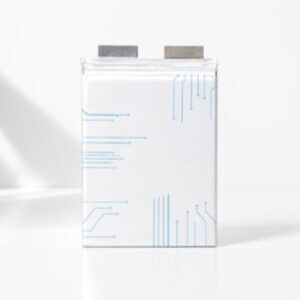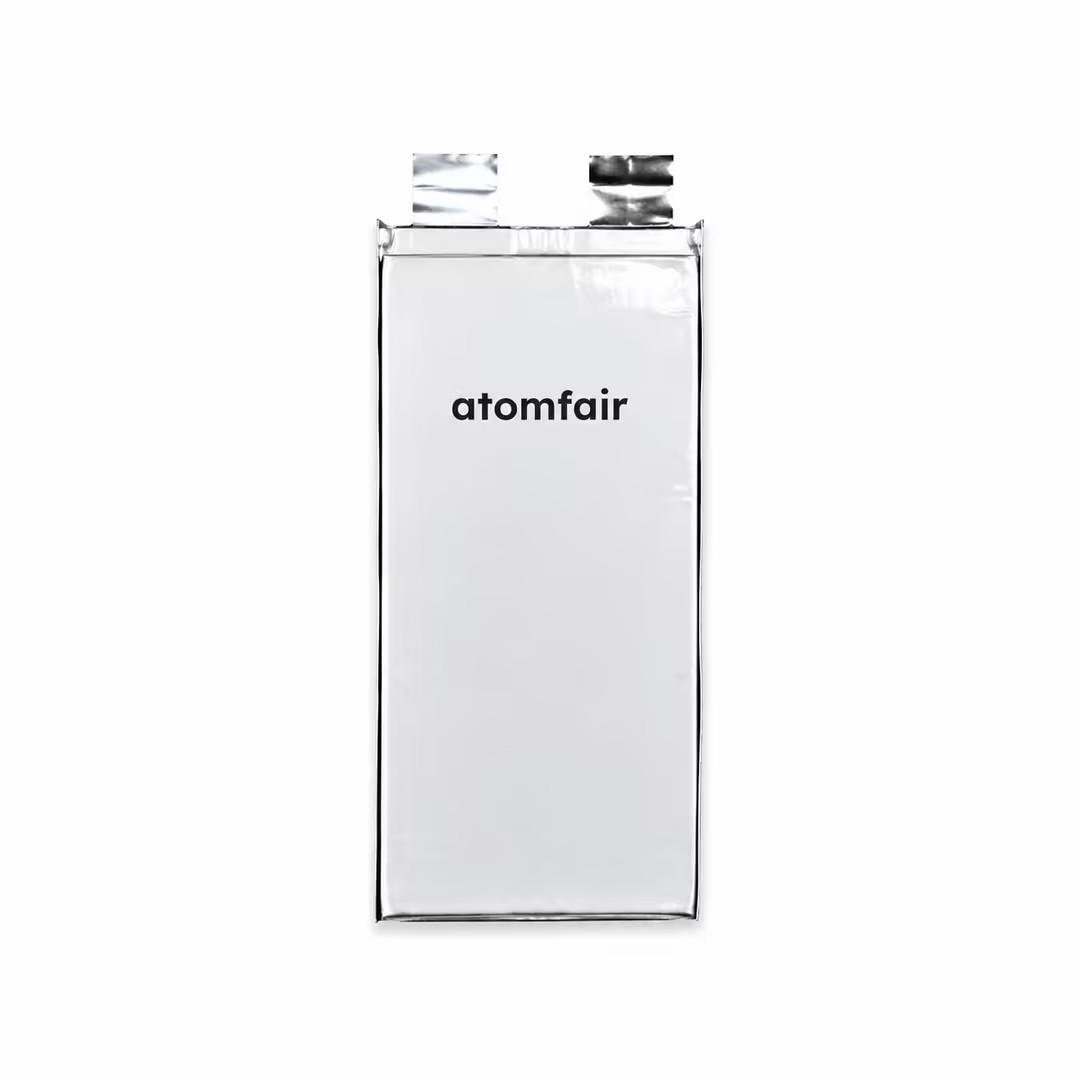
Description
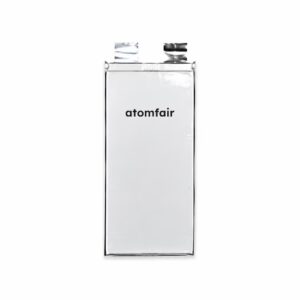
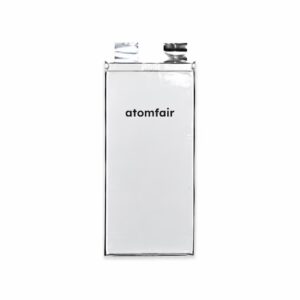
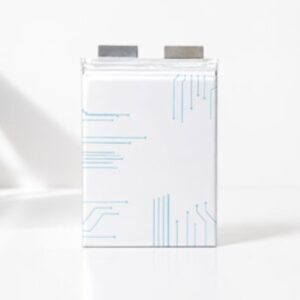
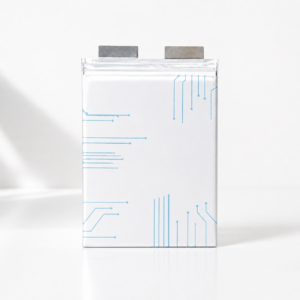
44AH HIGH-PERFORMANCE AND HIGH-SAFETY SOLID-STATE BATTERYCOMMERCIAL GRADE · PRODUCTION
|
|||||||||||||||||||||||||||||||||||
|
|||||||||||||||||||||||||||||||||||
|
VOLUME ORDERS & CUSTOM SOLUTIONS
Request a quote for sample quantities, pilot runs, or full-scale production. Our engineering team provides application support and design-in assistance.
EMAIL: INQUIRY@ATOMFAIR.COM
Global logistics · Fast sample delivery · Technical datasheets available
|
|||||||||||||||||||||||||||||||||||
|
Manufacturer: ATOMFAIR LLC · ADVANCED ENERGY STORAGE DIVISION
Brand: ATOMFAIR
Specifications are representative and subject to change without notice. For the latest version and compliance certificates, contact official sales channel.
|
This solid-state battery cell requires strict environmental controls to maintain safety and performance. Storage and operation must adhere to voltage and temperature limits to prevent thermal runaway and capacity fade.
- Temperature Management: Operate the cell within the -20°C to 70°C range to avoid capacity degradation and safety hazards.
- Charge Voltage Discipline: Use a charger that respects the 3C continuous charge limit to prevent overcharge conditions.
- Discharge Rate Control: Do not exceed the 5C continuous discharge rate or 10C peak (5s) to avoid thermal stress.
- Physical Integrity: Protect the pouch cell from punctures and compressive forces that may cause internal short circuits.
- Voltage Verification: Confirm the cell voltage is within safe limits before integration into a battery pack.
Follow these steps to safely deploy the solid-state battery cell in a test or integration setup. Adherence to voltage and temperature guidelines ensures safe operation and long cycle life.
Required Equipment: Multimeter, Compatible Battery Charger, Thermocouple or Temperature Sensor
- Inspect Cell
Inspect the cell packaging and pouch for any visible damage or deformation before use. - Measure Voltage
Measure the open-circuit voltage using a multimeter to verify it is near the nominal 3.75 V. - Connect Charger
Connect the cell to a charger set to the correct voltage and current limits not exceeding 3C. - Monitor Temperature
Monitor the cell temperature during the initial charge to keep it below 70°C. - Discharge Test
Discharge the cell at a constant current not exceeding 5C to confirm rated capacity.
How does the 240 Wh/kg gravimetric energy density of this 44Ah solid-state pouch cell compare to conventional lithium-ion batteries in terms of volumetric trade-offs for eVTOL integration?
This cell achieves 240 Wh/kg gravimetric and 480 Wh/L volumetric energy density, which is competitive with high-energy liquid-electrolyte NCM cells but with enhanced safety. The 9.4 × 161 × 227 mm pouch format and 0.68 kg weight enable a compact layout, though the volumetric density is slightly lower than some liquid systems due to the solid-state electrolyte's lower ionic conductivity at room temperature, requiring careful thermal management in eVTOL packs.
Can this NCM-Gr-SSE solid-state battery be directly integrated into existing electric vehicle battery management systems designed for liquid-electrolyte cells?
Direct integration is feasible but requires BMS recalibration for the 3.75 V nominal voltage and 5C continuous discharge profile, as well as updated charge algorithms for the 3C fast-charge limit. The solid-state electrolyte's higher impedance at low temperatures (-20°C) may necessitate preheating strategies not typical for liquid cells, and the pouch cell's mechanical clamping requirements differ from rigid prismatic or cylindrical formats.
What are the critical handling and storage requirements for this 44Ah solid-state pouch cell to prevent performance degradation or safety risks?
This cell must be stored in a dry, inert atmosphere below 25°C to prevent moisture ingress into the solid-state electrolyte interface, which can cause irreversible capacity fade. Handling requires avoidance of puncture or excessive pressure on the pouch (9.4 mm thickness) to maintain internal stack alignment, and charging must be limited to 3C continuous to avoid lithium plating at the graphite anode. The -20°C to 70°C operating range is safe only under controlled charge/discharge rates.
This 44Ah NCM-Gr-SSE solid-state pouch cell offers high energy density (240 Wh/kg) and safety while supporting 5C continuous discharge and 3C fast charge, making it suitable for EV and eVTOL development. However, its peak discharge is limited to a 5-second 10C burst, and the aluminum-laminated pouch packaging requires careful handling to maintain integrity.
Positive
- Solid-State Electrolyte Safety: The solid-state electrolyte eliminates liquid leakage risks and enhances thermal stability, providing intrinsic safety for high-capacity applications.
- High Power and Fast Charge: Supports 5C continuous discharge, 10C peak burst (5s), and 3C continuous charge, enabling demanding high-power operations in electric vehicle and eVTOL powertrains.
Trade-offs
- Peak Discharge Duration Limit: The 10C peak discharge is sustainable for only 5 seconds; continuous discharge is limited to 5C, requiring thermal management for sustained high-load operation.
- Aluminum-Laminated Packaging Sensitivity: The pouch cell uses soft aluminum-laminated protective packaging films, which are susceptible to puncture and require careful mechanical handling during assembly and integration.
Every advanced material, component, equipment, and instrument in our catalog is backed by rigorous testing. We maintain strict internal quality management frameworks and align with CE conformity metrics to deliver transparent, reproducible performance data via our public open-science repository.
To request raw batch performance data, submit formal vendor registration paperwork, or execute a fast-turnaround R&D manufacturing loop, contact us at inquiry@atomfair.com.
Item is dispatched under the Atomfair Shipping & Delivery Framework (Free worldwide shipping on orders over $59 USD). Return is governed by the Atomfair Return & Refund Policy (7-day technical return window).