Description
High-Energy-Density Power-Type Semi-Solid Battery – Max Energy Series | ATOMFAIRCOMMERCIAL GRADE · PRODUCTION
|
||||||||||||||||||||||||||||||||||
|
||||||||||||||||||||||||||||||||||
|
TAILORED SOLUTIONS FOR RESEARCH
Contact our engineering team for technical support or official institutional quotations.
EMAIL: inquiry@atomfair.com
|
||||||||||||||||||||||||||||||||||
|
Manufacturer: Atomfair LLC
Brand: ATOMFAIR®
|
||||||||||||||||||||||||||||||||||
Operate the cell within its specified temperature range of -40°C to 60°C to maintain performance and prevent thermal runaway. Handle the pouch cell with care to avoid puncture or deformation that could compromise the semi-solid electrolyte barrier.
- Operating Temperature Range: Maintain cell temperature between -40°C and 60°C during discharge to ensure stable electrochemical performance and avoid capacity degradation.
- Cycle Life Degradation: The cell delivers at least 800 cycles to 80% state of health under 1C/1C cycling, after which gradual capacity fade accelerates and replacement is recommended.
- Discharge Current Limits: Do not exceed 5C continuous discharge or 7C pulse discharge for longer than 3 minutes to prevent internal heating and permanent damage.
- Mechanical Integrity: Avoid mechanical stress, puncture, or crushing of the pouch cell to maintain the integrity of the semi-solid electrolyte and prevent short circuits.
Initialize the semi-solid battery pouch cell for safe integration into high-energy applications such as eVTOL or high-performance EVs. Follow these steps to configure charging and operational parameters based on manufacturer specifications.
Required Equipment: Battery management system (BMS) calibrated to 3.5 V nominal, Temperature sensor or environmental chamber, Insulated handling gloves and non-conductive work surface
- Inspect pouch integrity
Inspect the pouch cell for physical damage, swelling, or leakage before any electrical connection is made. - Connect to BMS
Connect the cell leads to a BMS configured to the nominal voltage of 3.5 V and with overcharge protection enabled. - Set temperature range
Verify the operating environment maintains the cell temperature between -40°C and 60°C throughout the charge-discharge cycle. - Configure discharge limits
Program the BMS to limit continuous discharge to 5C and pulse discharge (≤3 minutes) to 7C per cell specifications. - Perform initial charge
Charge the cell using a constant current constant voltage (CCCV) profile with an upper voltage limit of 3.5 V to reach full capacity.
How does the semi-solid electrolyte in the Max Energy series affect internal resistance and rate capability compared to conventional liquid electrolyte pouch cells?
The semi-solid electrolyte design reduces internal resistance and enhances safety by eliminating liquid leakage and lowering flammability, while still supporting 5C continuous and 7C pulse discharge for 3 minutes. This enables high power output without the mechanical instability risks associated with liquid electrolytes, as confirmed by the product's stable performance across -40°C to 60°C and ≥800 cycles to 80% SOH.
Can the AFEPSME10674172 or AFEPSME88871888 pouch cells be integrated into existing eVTOL battery packs designed for standard lithium-ion pouch formats?
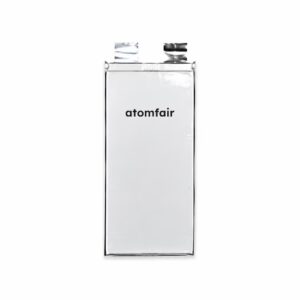
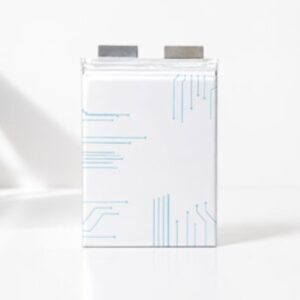
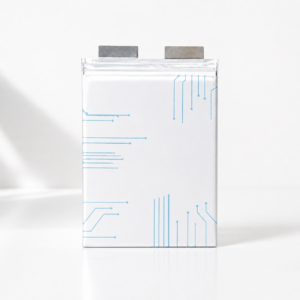
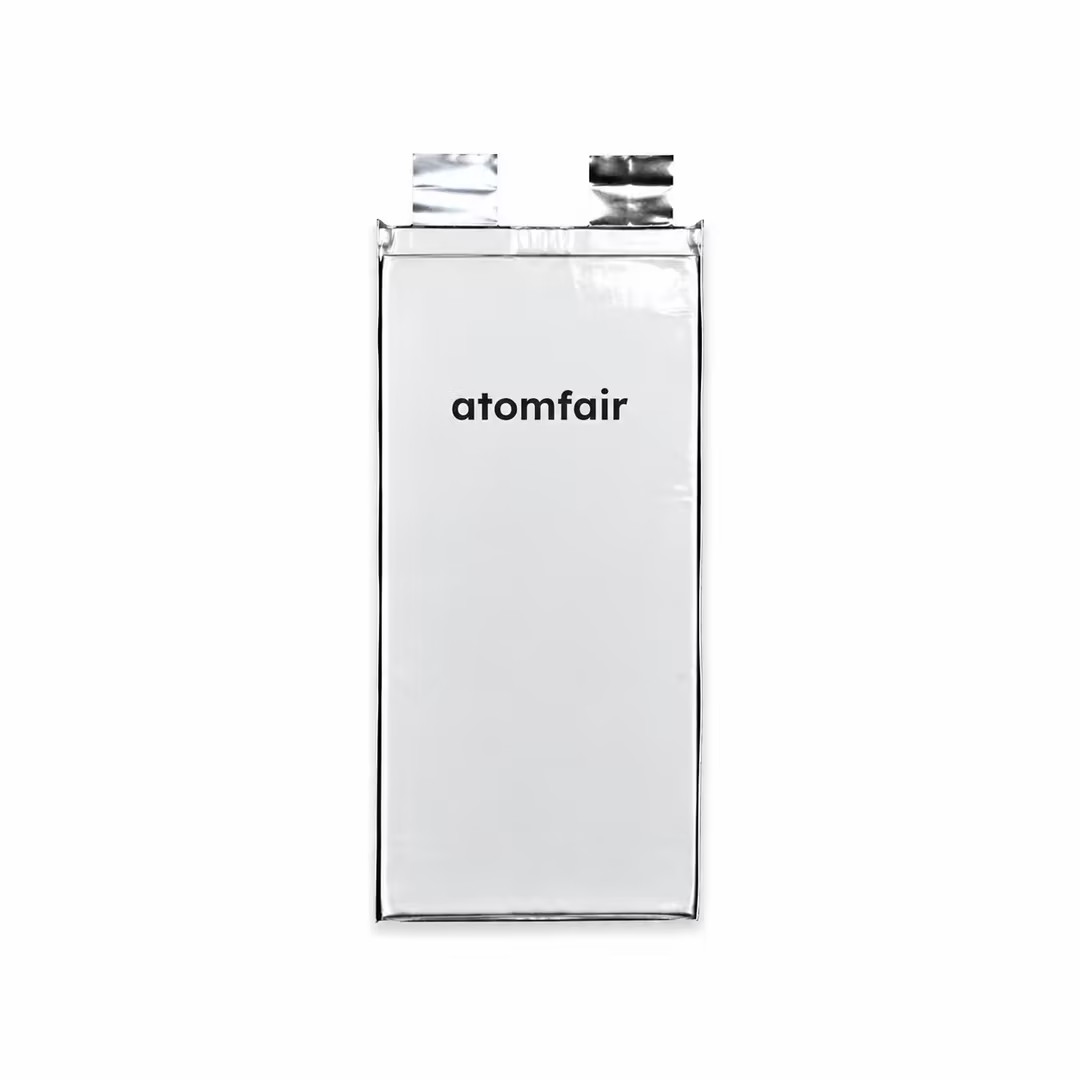
Yes, both models are standard pouch formats—10.6 × 74 × 172 mm and 8.8 × 87 × 188 mm—with a nominal voltage of 3.5 V and 30 Ah capacity, allowing direct mechanical integration into many existing pack designs. However, the BMS must be configured for the 2.75V–4.2V operating window and include overcurrent and low-temperature protection as specified in the product notice.
What storage and handling conditions are required to maintain the semi-solid electrolyte's integrity and prevent capacity fade before first use?
Cells are shipped in moisture-barrier vacuum-sealed aluminum foil bags inside anti-static cartons to prevent electrolyte degradation. For optimal performance, pre-condition at 25°C before first high-rate discharge, avoid sustained temperatures above 60°C, and always operate within 2.75V–4.2V using a BMS with overcurrent protection.
The ATOMFAIR Semi-Solid Battery Max Energy Series delivers 340–370 Wh/kg with 5C continuous discharge capability, making it suitable for high-energy and high-power applications such as eVTOL and performance EVs. However, operation requires strict voltage compliance (2.75V–4.2V) and thermal management below 60°C, with preconditioning needed before first high-rate discharge.
Positive
- Ultra-High Energy Density: 340–370 Wh/kg enables extended runtime and lightweight pack designs for demanding applications like eVTOL and high-performance EVs, directly improving system-level energy efficiency.
- Wide Temperature Range with Semi-Solid Safety: Operates reliably from -40°C to 60°C with a semi-solid electrolyte that reduces leakage and flammability, enhancing mechanical stability in extreme environments.
Trade-offs
- Strict Voltage Window Requirements: Operation must be confined to 2.75V–4.2V; deviations can degrade performance or safety, requiring precise BMS management to protect cycle life and avoid thermal runaway.
- Thermal and Conditioning Constraints: Sustained temperatures above 60°C must be avoided, and pre-conditioning at 25°C before first high-rate discharge is recommended to ensure optimal capacity and impedance consistency.
Every advanced material, component, equipment, and instrument in our catalog is backed by rigorous testing. We maintain strict internal quality management frameworks and align with CE conformity metrics to deliver transparent, reproducible performance data via our public open-science repository.
To request raw batch performance data, submit formal vendor registration paperwork, or execute a fast-turnaround R&D manufacturing loop, contact us at inquiry@atomfair.com.
Item is dispatched under the Atomfair Shipping & Delivery Framework (Free worldwide shipping on orders over $59 USD). Return is governed by the Atomfair Return & Refund Policy (7-day technical return window).