Description
High-Energy-Density High-Safety Semi-Solid Battery Series | ATOMFAIRCOMMERCIAL GRADE · PRODUCTION
|
||||||||||||||||||||||||||||||||||||||||||||||||||||||||||||||||||||||||||||
|
||||||||||||||||||||||||||||||||||||||||||||||||||||||||||||||||||||||||||||
|
TAILORED SOLUTIONS FOR RESEARCH
Contact our engineering team for technical support or official institutional quotations.
EMAIL: inquiry@atomfair.com
|
||||||||||||||||||||||||||||||||||||||||||||||||||||||||||||||||||||||||||||
|
Manufacturer: Atomfair LLC
Brand: ATOMFAIR®
|
||||||||||||||||||||||||||||||||||||||||||||||||||||||||||||||||||||||||||||
These cells require strict adherence to temperature and mechanical limits to prevent thermal runaway. Improper handling may compromise cell integrity and lead to hazardous conditions.
- Temperature Constraint: Operate and store cells within -40°C to 60°C to avoid performance degradation or safety risks.
- Mechanical Safety Constraint: Avoid nail penetration, overcharge, and extrusion conditions as the cell design is tested to withstand these but repeated abuse may cause failure.
This procedure describes safe handling and initial charging of the semi-solid battery pouch cell. Following these steps ensures operational safety and preserves cycle life.
Required Equipment:
- Inspect Cell
Inspect the cell for physical damage, swelling, or leakage prior to installation. - Measure Voltage
Verify the cell's open-circuit voltage is within the nominal range using a multimeter. - Connect BMS
Connect the cell to a battery management system with appropriate current and voltage ratings. - Charge Cell
Charge the cell using a constant current/constant voltage protocol not exceeding the cell's specified limits. - Monitor Temperature
Monitor the cell temperature during initial charge to ensure it remains below 60°C. - Store Cell
Store the cell in a dry, ventilated environment within the rated temperature range.
How does the semi-solid electrolyte design in the ATOMFAIR High Safety Series affect energy density compared to conventional liquid electrolyte lithium-ion cells?
The semi-solid electrolyte enables a balanced combination of high energy density (≥220 Wh/kg) and intrinsic safety, unlike conventional liquid electrolytes that trade off thermal stability for energy. This design allows the cells to pass nail penetration, overcharge, and extrusion tests while maintaining ≥2000 cycles to 80% SOH, a performance profile unattainable with standard liquid electrolytes at equivalent energy densities.
Can the AFESS series pouch cells be integrated into existing battery management systems designed for standard lithium-ion chemistries?
Yes, the AFESS series operates at a nominal voltage of 3.7 V, matching standard lithium-ion cell voltage, and is available in six pouch formats with capacities from 20 Ah to 50 Ah. This compatibility allows direct integration into existing BMS architectures without voltage-level reconfiguration, though the BMS must be programmed to accommodate the semi-solid cell's charge/discharge profile and safety thresholds.
What are the storage and handling requirements for the semi-solid electrolyte cells to maintain performance across the -40°C to 60°C operating range?
The cells are designed for stable discharge across -40°C to 60°C, but storage should be at recommended conditions (typically 15-25°C, <50% RH) to prevent electrolyte degradation or mechanical stress on the pouch. No special handling beyond standard lithium-ion precautions is required, as the semi-solid electrolyte eliminates liquid leakage risks, but the pouch format demands protection from puncture and compressive forces during assembly.
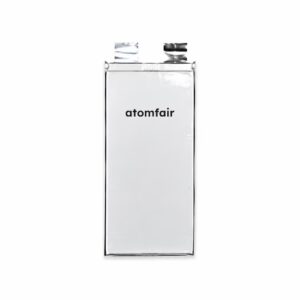
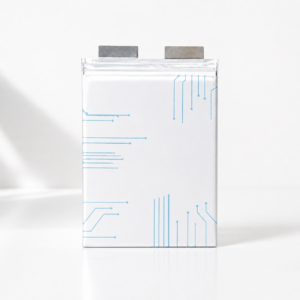
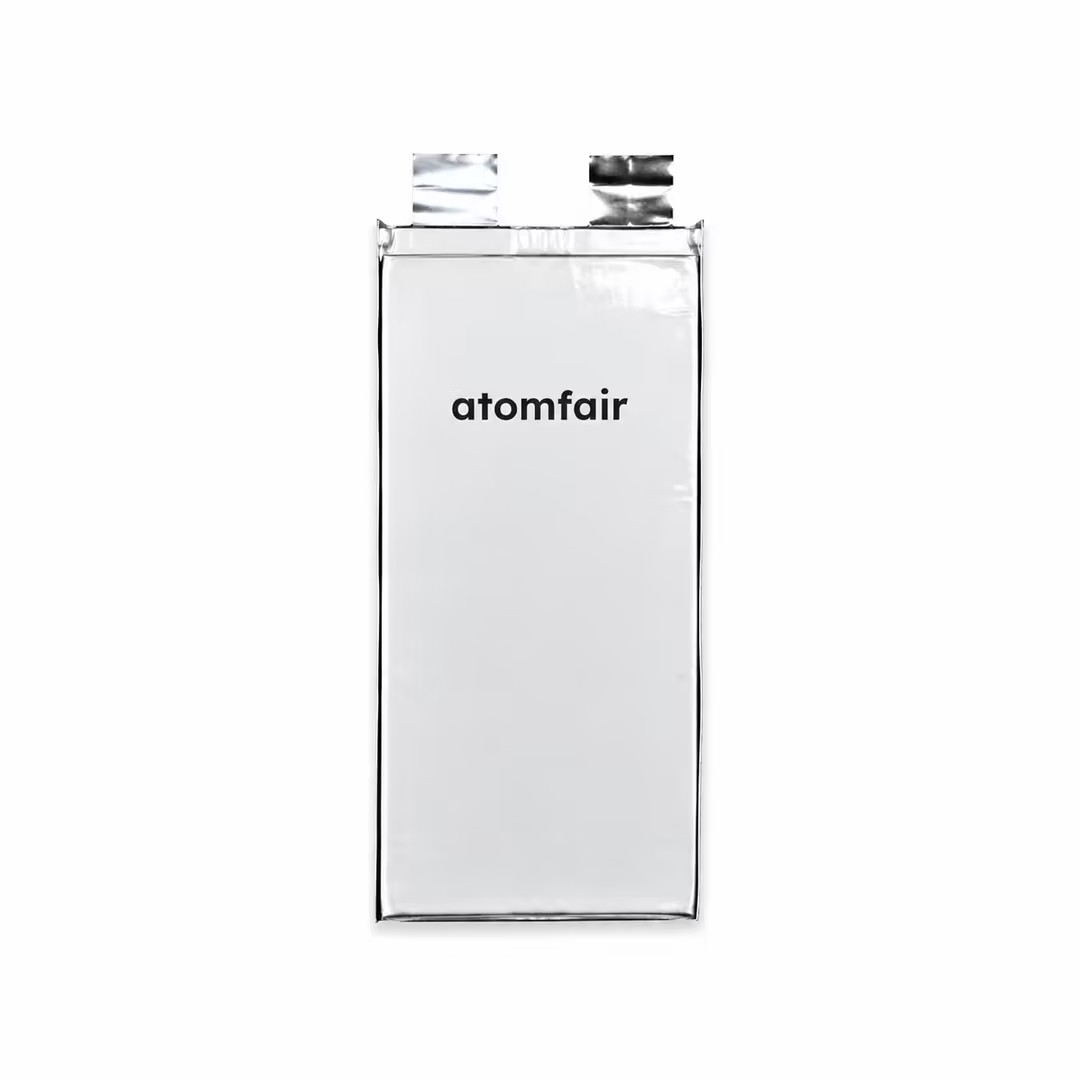
The High Safety Semi-Solid Battery Pouch Series delivers energy density ≥220 Wh/kg and passes nail penetration, overcharge, and extrusion tests, providing a robust safety profile. With a -40 to 60 °C discharge range and ≥2000 cycles at 80% SOH, it is well-suited for energy storage, low-speed EVs, and industrial backup applications.
Positive
- Exceptional abuse tolerance: The cells pass nail penetration, overcharge, and extrusion tests, enabling deployment in applications requiring high operational safety without catastrophic failure.
- High energy density with wide thermal range: Achieves ≥220 Wh/kg while operating from -40 to 60 °C, supporting high-capacity designs in both cold and elevated temperature environments.
Trade-offs
- Multiple pouch formats require integration verification: Six distinct dimensions (e.g., 9.8×81×216 mm, 10.3×105×230 mm) are offered; physical fit must be validated per enclosure and pack design to avoid assembly complications.
- Charge temperature range not specified: Only the discharge operating temperature (-40 to 60 °C) is provided; the acceptable temperature window for charging is absent, requiring additional characterization for safe charge protocol design.
Every advanced material, component, equipment, and instrument in our catalog is backed by rigorous testing. We maintain strict internal quality management frameworks and align with CE conformity metrics to deliver transparent, reproducible performance data via our public open-science repository.
To request raw batch performance data, submit formal vendor registration paperwork, or execute a fast-turnaround R&D manufacturing loop, contact us at inquiry@atomfair.com.
Item is dispatched under the Atomfair Shipping & Delivery Framework (Free worldwide shipping on orders over $59 USD). Return is governed by the Atomfair Return & Refund Policy (7-day technical return window).