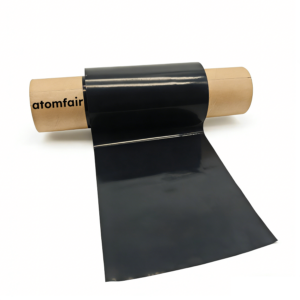
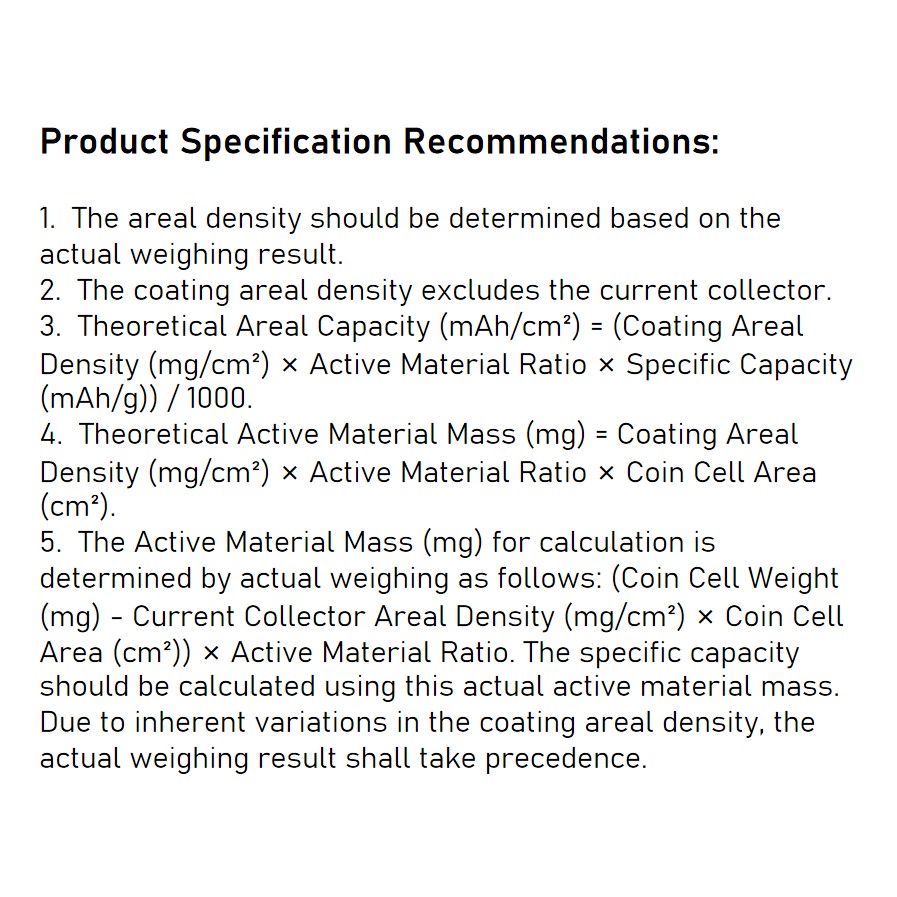
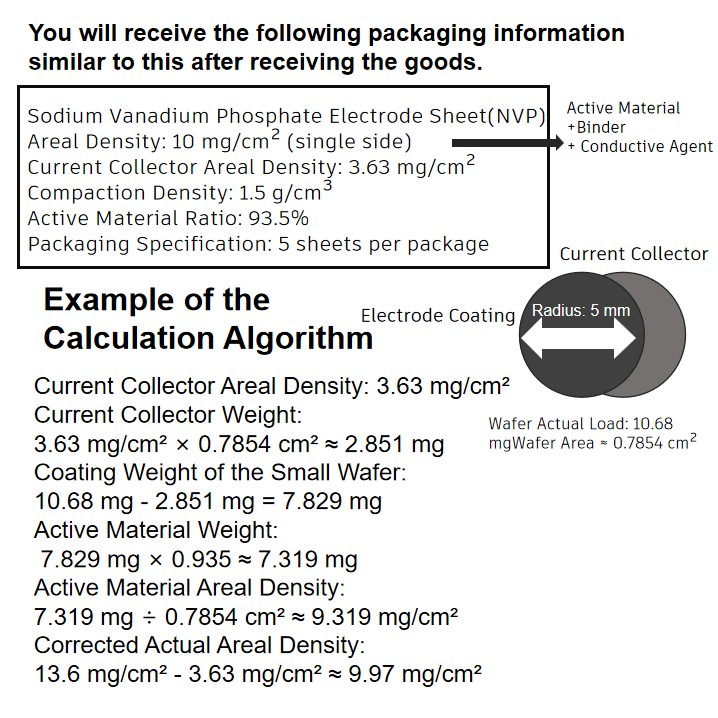
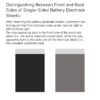
Description
ATOMFAIR® NVP-D04 SODIUM VANADIUM PHOSPHATE ELECTRODE SHEETRESEARCH GRADE MATERIAL
|
||||||||||||||||||||||||||||||||||||||||||||
|
||||||||||||||||||||||||||||||||||||||||||||
|
|||
|
TAILORED SOLUTIONS FOR RESEARCH
Contact our engineering team for technical support or official institutional quotations.
EMAIL: inquiry@atomfair.com
|
|||
This electrode sheet is sensitive to ambient moisture and oxygen, requiring handling in a dry room or inert atmosphere to maintain electrochemical performance. The double-sided coating is mechanically fragile and should be handled with care to avoid delamination or cracking.
- Environmental Sensitivity: Store in a sealed container with desiccant in an argon-filled glovebox to prevent degradation.
How does the 92% active material ratio affect conductivity and cycling stability in the NVP-D04 cathode?
The 92% active material ratio maximizes sodium-ion storage capacity, but high loading can increase internal resistance. To mitigate this, the NVP-D04 uses a carbon-coated aluminum foil substrate, enhancing conductivity and cycling stability as stated in the product specifications.
Is the NVP-D04 double-side coated cathode compatible with standard coin cell assembly for sodium-ion testing?
Yes, the NVP-D04 is designed for sodium-ion battery R&D. Its double-side coating on a carbon-coated aluminum foil substrate is compatible with standard coin cell hardware. The 150×110 mm active area can be punched to required diameters, and the 12+0.5+0.5 μm substrate thickness ensures mechanical integrity during assembly.
What drying protocol is required before using the NVP-D04 electrode sheet in a sodium-ion cell?
The NVP-D04 must be baked under vacuum at 100°C for 12 hours prior to use. This removes moisture and adsorbed solvents from the wet process coating, ensuring reliable electrochemical data. This protocol is explicitly recommended in the product documentation.
The NVP-D04 double-side cathode sheet provides a high 92% active material loading on a carbon-coated aluminum current collector, enabling efficient sodium-ion intercalation for R&D; however, it requires a mandatory vacuum baking step at 100°C for 12 hours before use, adding preprocessing time and equipment needs.
Positive
- High Active Material Loading: An active material ratio of 92% maximizes sodium-ion storage capacity per unit mass, supporting robust intercalation kinetics in laboratory cell tests.
- Conductive Carbon-Coated Substrate: The carbon-coated aluminum foil reduces internal resistance and enhances cycling stability, as specified, ensuring consistent electrochemical performance over repeated cycles.
Trade-offs
- Mandatory Vacuum Baking Protocol: The electrode must undergo a 12-hour vacuum bake at 100°C prior to use, requiring dedicated oven infrastructure and extending preparation time before cell assembly.
Every advanced material, component, equipment, and instrument in our catalog is backed by rigorous testing. We maintain strict internal quality management frameworks and align with CE conformity metrics to deliver transparent, reproducible performance data via our public open-science repository.
To request raw batch performance data, submit formal vendor registration paperwork, or execute a fast-turnaround R&D manufacturing loop, contact us at inquiry@atomfair.com.
Item is dispatched under the Atomfair Shipping & Delivery Framework (Free worldwide shipping on orders over $59 USD). Return is governed by the Atomfair Return & Refund Policy (7-day technical return window).