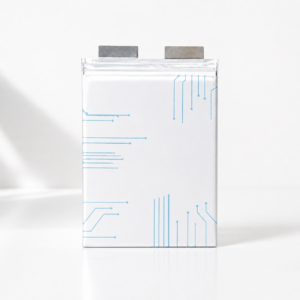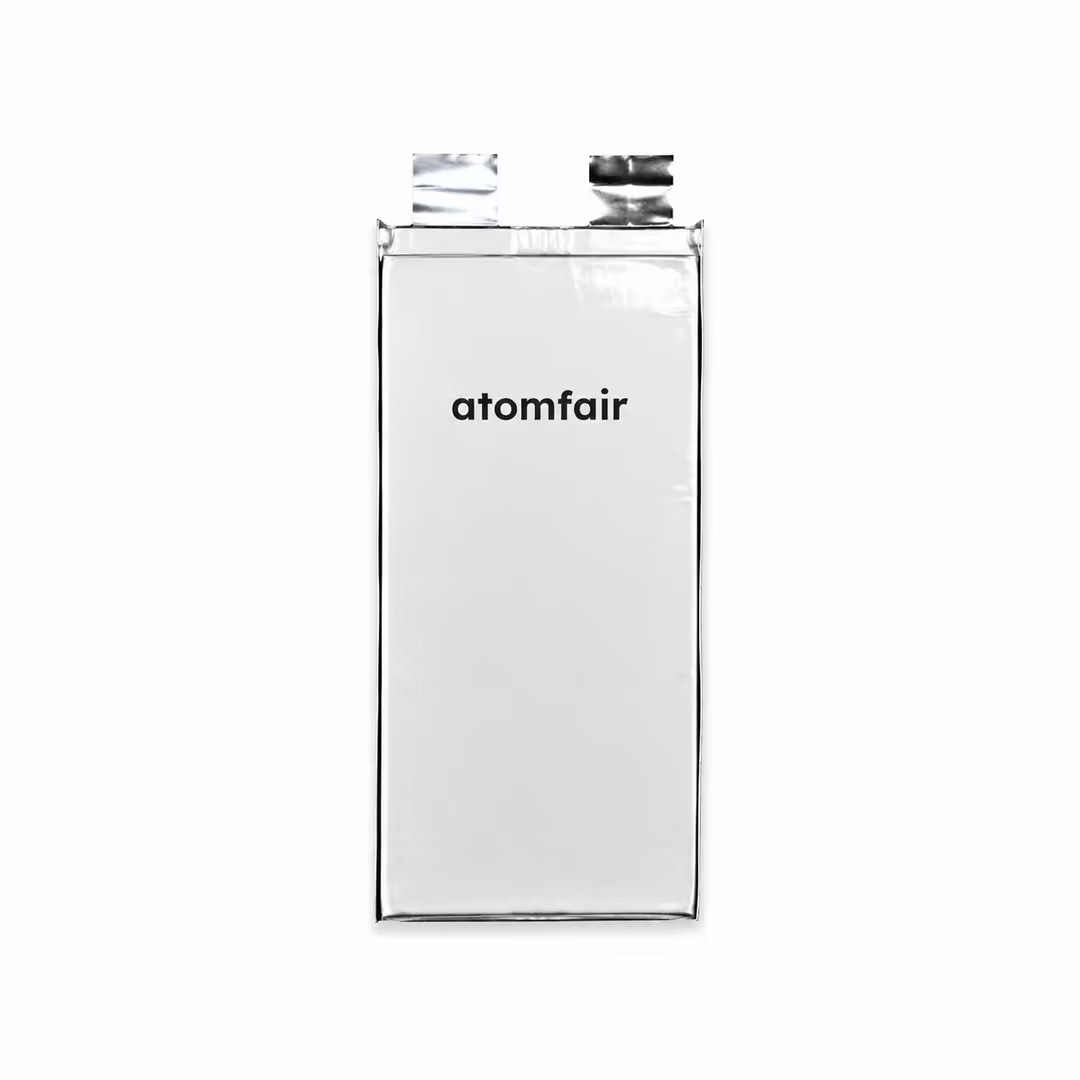
Description
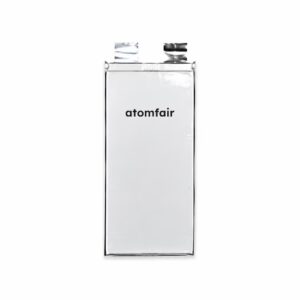
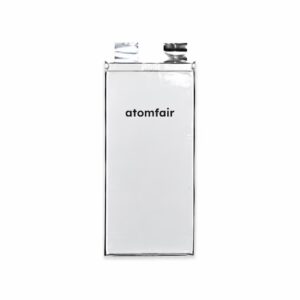
370Wh/kg HIGH ENERGY DENSITY LITHIUM-ION POUCH CELLCOMMERCIAL GRADE · PRODUCTION
|
|||||||||||||||||||||||||||||||||||||||||||||||||||
|
|||||||||||||||||||||||||||||||||||||||||||||||||||
|
VOLUME ORDERS & CUSTOM SOLUTIONS
Request a quote for sample quantities, pilot runs, or full-scale production. Our engineering team provides application support and design-in assistance.
INQUIRY@ATOMFAIR.COM
Global logistics · Fast sample delivery · Technical datasheets available
|
|||||||||||||||||||||||||||||||||||||||||||||||||||
|
Manufacturer: Atomfair LLC · Advanced Energy Storage Division
Brand: ATOMFAIR®
Specifications are representative and subject to change without notice. For the latest version and compliance certificates, contact official sales channel.
|
|||||||||||||||||||||||||||||||||||||||||||||||||||
This pouch cell must operate within a voltage window of 2.50 V to 4.30 V and maintain internal resistance below 1.5 mΩ to prevent thermal or degradation hazards. Storage and handling must avoid mechanical puncture, short circuit, or exposure to temperatures beyond manufacturer recommendations to ensure electrochemical integrity.
- Voltage Limits: Do not discharge below 2.50 V or charge above 4.30 V to avoid irreversible electrode damage and safety risks.
- Internal Resistance Threshold: Confirm the AC resistance does not exceed 1.5 mΩ at 50% SOC to ensure safe high-rate pulse discharge capability.
Follow these steps to safely activate the cell and confirm its specified electrical parameters before integration into a system. These procedures directly verify the performance thresholds stated in the technical specifications.
Required Equipment: Battery cycler with current and voltage control, Internal resistance meter (AC four-wire)
- Charge to upper voltage limit
Charge the pouch cell at 0.2C constant current to 4.30 V under ambient conditions to reach full rated voltage. - Discharge to lower voltage limit
Discharge the cell at 0.2C constant current to 2.50 V to verify it delivers the rated 30.0 Ah capacity. - Measure internal resistance
Measure the AC resistance at 50% SOC and confirm the value is ≤1.5 mΩ to validate low-impedance performance.
How does the 370Wh/kg energy density trade off against cycle life for this NMC/Gr+SiC pouch cell under high-rate pulse discharge?
This cell delivers ≥370 Wh/kg gravimetric energy density while maintaining a proven ≥500 cycle life, even under 10.0C pulse discharge conditions. The NMC/Gr+SiC chemistry matrix and ≤1.5 mΩ internal resistance enable this performance, but the trade-off is that sustained high-rate cycling may accelerate capacity fade beyond the rated cycle life, particularly at low states of charge.
Can this 30Ah pouch cell be integrated into an existing battery management system designed for standard NMC cells without modifying charge voltage limits?
No, integration requires a BMS configured for the cell's 4.30V upper voltage limit and 2.50V cutoff, which differs from typical NMC cells with a 4.20V maximum. The cell's 0.5C max continuous charge rate and -20°C to +45°C discharge range also impose specific thermal and current management constraints that must be addressed in the BMS firmware and hardware design.
What are the critical handling and storage requirements for this high-energy-density lithium-ion pouch cell to prevent mechanical damage or thermal runaway?
This pouch cell must be stored within its 0°C to +45°C charge temperature range and -20°C to +45°C discharge range, with strict avoidance of physical puncture or compression due to its 12.5mm thin profile. The cell's 280g weight and 30Ah capacity require insulated terminals during storage to prevent short circuits, and charging below 0°C is prohibited to avoid lithium plating.
This 370Wh/kg NMC/Gr+SiC pouch cell delivers exceptional energy density and high pulse discharge capability suitable for demanding applications, but operators must account for the restricted charge temperature range and SOC-dependent pulse performance.
Positive
- High Gravimetric Energy Density: Achieves at least 370 Wh/kg at 0.2C discharge, providing a high energy-to-weight ratio ideal for weight-sensitive applications such as electric vehicles and portable electronics.
- High Pulse Discharge Capability: Supports pulse discharge up to 10.0C for 10 seconds, enabling high-power bursts required for demanding load profiles.
Trade-offs
- Restricted Charge Temperature Range: Charging is only permitted between 0°C and +45°C, limiting the cell's usability in cold environments without thermal management.
- SOC-Dependent Pulse Performance: Maximum pulse discharge of 10.0C is only achievable when the cell is at or above 50% state of charge, reducing peak power availability at lower SOC.
Every advanced material, component, equipment, and instrument in our catalog is backed by rigorous testing. We maintain strict internal quality management frameworks and align with CE conformity metrics to deliver transparent, reproducible performance data via our public open-science repository.
To request raw batch performance data, submit formal vendor registration paperwork, or execute a fast-turnaround R&D manufacturing loop, contact us at inquiry@atomfair.com.
Item is dispatched under the Atomfair Shipping & Delivery Framework (Free worldwide shipping on orders over $59 USD). Return is governed by the Atomfair Return & Refund Policy (7-day technical return window).