Description
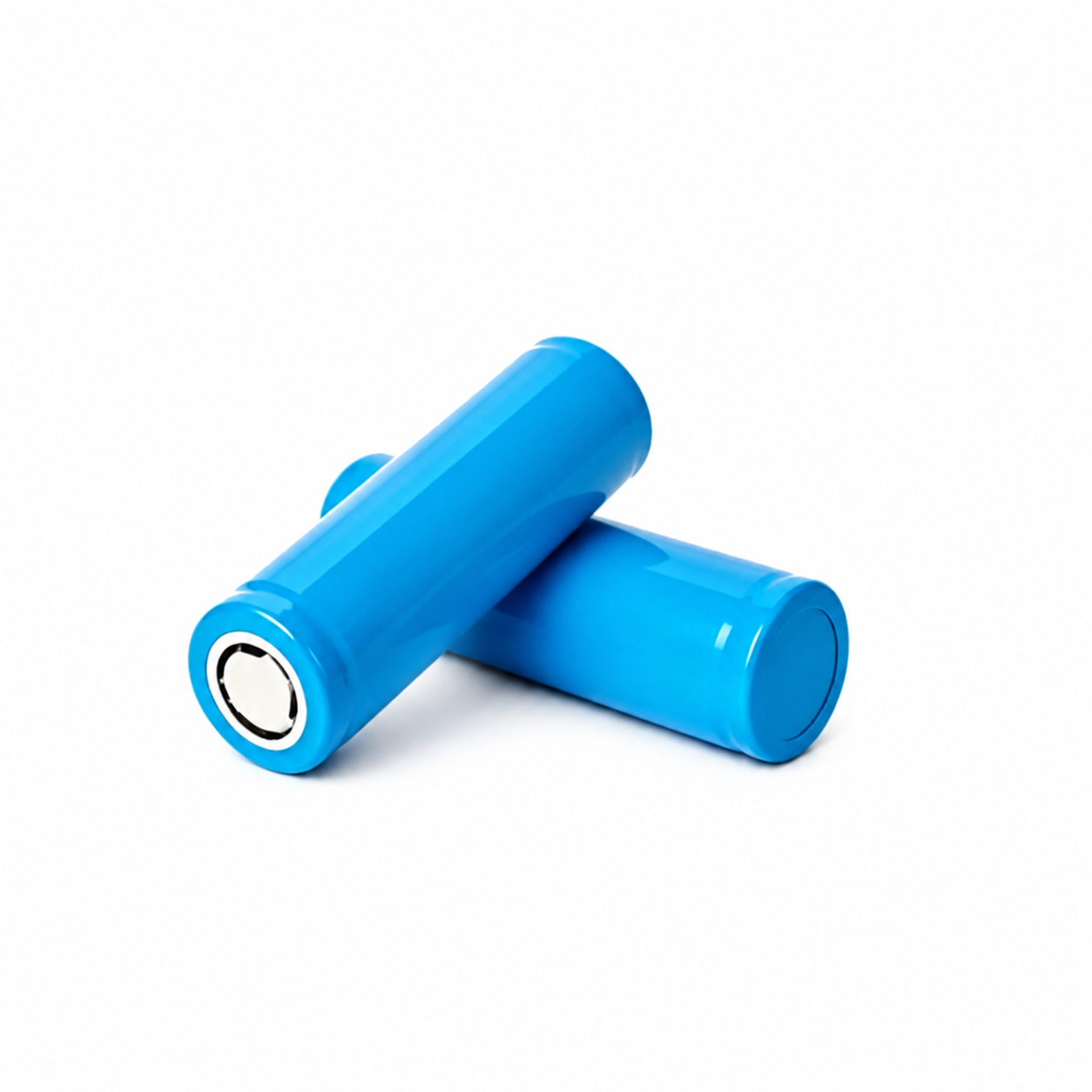
3400mAh Ultra-Low-Temperature 26650 Lithium Iron Phosphate (LFP) Cylindrical Battery (4-Pack) |
|||||||||||||||||||||||||||||||||||||||||||||||||||||
|
|||||||||||||||||||||||||||||||||||||||||||||||||||||
|
TAILORED SOLUTIONS FOR RESEARCH
Contact our engineering team for technical support or official institutional quotations.
EMAIL: inquiry@atomfair.com
|
|||||||||||||||||||||||||||||||||||||||||||||||||||||
|
Manufacturer: Atomfair LLC
Brand: ATOMFAIR®
|
|||||||||||||||||||||||||||||||||||||||||||||||||||||
The cell must be stored and operated within specified temperature ranges to maintain performance and safety. Charging below -30°C is prohibited, and a low-temperature BMS is mandatory for all applications.
- Operating Temperature Range: The cell can be charged between -30°C and 60°C and discharged between -50°C and 60°C, but charging below -30°C is not accepted.
- Voltage Limits: Minimum discharge voltage is 2.00V above -20°C and 1.50V at or below -20°C; maximum charge voltage is 3.65±0.03V.
- Charge Current Restrictions: Charge current must be reduced at low temperatures: 3C above 0°C, 0.5C at or below 0°C, and 0.2C at or below -20°C.
- BMS Requirement: A low-temperature BMS must be used to enable charging only when cell temperature is within safe limits.
- Short Circuit Prevention: Cells are shipped with insulated terminal covers and should be stored in anti-static trays to prevent short circuits.
This procedure describes the steps to safely handle and charge the ATOMFAIR 26650 LFP cell in low-temperature environments. Compliance with these steps ensures reliable operation and prevents cell damage.
Required Equipment: Low-temperature battery management system (BMS), Programmable CC-CV charger
- Inspect Cells
Inspect each cell for physical damage or deformation before use. - Install with BMS
Install cells into the battery pack with a low-temperature BMS that monitors cell voltage and temperature. - Confirm Temperature
Confirm cell temperature is within the acceptable charging range before initiating charging. - Configure Charger
Set the charger to a CC-CV profile with the appropriate reduced charge current based on ambient temperature. - Avoid Over-Low Charging
Do not attempt to charge the cell if temperature falls below -30°C, as the cell will not accept charge. - Set Discharge Cutoff
Set the discharge cutoff voltage to 2.00V for temperatures above -20°C and 1.50V for -20°C or below. - Store Safely
Store cells in anti-static trays with insulated terminal covers when not in use.
How does the maximum charge current for this 26650 LFP cell change when charging below 0°C, and what is the trade-off for charging time?
The maximum charge current is temperature-dependent: above 0°C, 3.0C (10.2A) is allowed; at 0°C or below, it drops to 0.5C (1.7A); at -20°C or below, it is further limited to 0.2C (680 mA). At -30°C, the cell can be charged at 0.2C, which significantly extends charge time compared to room-temperature operation, but this trade-off enables direct charging without pre-heating and prevents lithium plating at extreme cold.
What BMS and charge profile requirements are needed when integrating this battery into a cold-climate energy storage system?
A low-temperature BMS that enables charging only when cell temperature is within the safe range (-30°C to 60°C) is essential. The BMS must also handle the shifted minimum discharge voltage: 2.00V above -20°C and 1.50V at or below -20°C. A CC-CV charge profile with current reduced per temperature (0.2C at ≤-20°C, 0.5C at ≤0°C) is required to ensure safe charging without heater assistance.
What storage and handling precautions are necessary for this ultra-low-temperature LFP cell to ensure safe transport and operation?
The cell can be stored and discharged at temperatures as low as -50°C but must not be charged below -30°C. For transport, each cell is packaged with insulated terminal covers in anti-static plastic trays (50 per tray, 200 per master carton). Users must ensure that the battery is never subjected to charging attempts below -30°C, as the cell will not accept charge and could be damaged.
This 26650 LFP cell delivers reliable discharge down to -50°C and allows charging at -30°C without external heating, but requires reduced charge current at sub-zero temperatures and a compatible low-temperature BMS for safe operation.
Positive
- Direct sub-zero charging without pre-heating: Capable of charging at -30°C using a CC-CV profile with reduced current (≤0.2C), eliminating the need for external battery warmers in extreme cold environments.
- High low-temp discharge efficiency: Retains >90% capacity at -50°C and >90% at -40°C (to 1.5V cutoff), ensuring reliable power delivery in polar or cold-chain applications without significant energy loss.
Trade-offs
- Reduced charge current at low temp: Maximum charge current drops to 0.2C at -30°C and 0.5C at 0°C, significantly extending charge times compared to operation above 0°C where 3.0C is allowed.
- Requires low-temperature BMS: A BMS that monitors cell temperature and enables charging only within safe limits (-30°C to 60°C) is mandatory to prevent damage from charging below the minimum temperature threshold.
Every advanced material, component, equipment, and instrument in our catalog is backed by rigorous testing. We maintain strict internal quality management frameworks and align with CE conformity metrics to deliver transparent, reproducible performance data via our public open-science repository.
To request raw batch performance data, submit formal vendor registration paperwork, or execute a fast-turnaround R&D manufacturing loop, contact us at inquiry@atomfair.com.
Item is dispatched under the Atomfair Shipping & Delivery Framework (Free worldwide shipping on orders over $59 USD). Return is governed by the Atomfair Return & Refund Policy (7-day technical return window).