Description
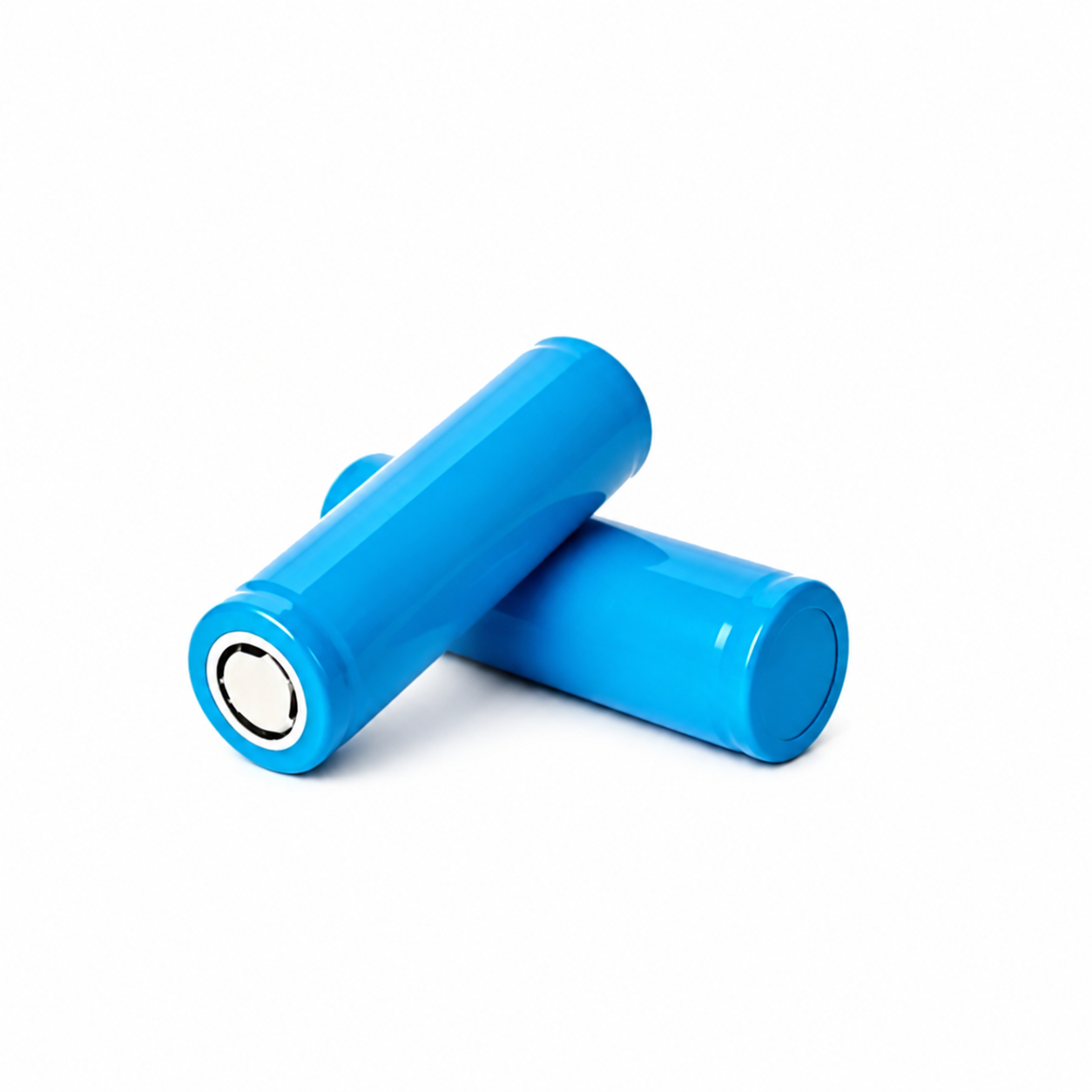
3600mAh High-Capacity 26650 Lithium Iron Phosphate (LFP) Cylindrical Battery (4-Pack)COMMERCIAL GRADE · PRODUCTION
|
|||||||||||||||||||||||||||||||||||||||||||||||||
|
|||||||||||||||||||||||||||||||||||||||||||||||||
|
TAILORED SOLUTIONS FOR RESEARCH
Contact our engineering team for technical support or official institutional quotations.
EMAIL: inquiry@atomfair.com
|
|||||||||||||||||||||||||||||||||||||||||||||||||
|
Manufacturer: Atomfair LLC
Brand: ATOMFAIR®
|
|||||||||||||||||||||||||||||||||||||||||||||||||
This high-capacity lithium iron phosphate cell requires strict voltage and temperature management to ensure safety and longevity. Operation outside 2.5V–3.65V or sustained high temperatures may degrade performance and risk safety.
- Voltage Constraints: Maintain cell voltage between 2.5V and 3.65V during operation to prevent under- or over-voltage damage.
- Temperature Constraints: Charge between 0°C and 45°C; discharge between -20°C and 60°C; avoid sustained high-temperature operation.
- BMS Requirement: Always use a dedicated LFP battery management system with cell balancing in series configurations.
- Mechanical Constraints: Handle cells with anti-static trays and insulated terminal covers to prevent short circuits during transport.
- Safety Constraints: Cells include an explosion-proof vent and pass nail penetration without fire or explosion, but avoid physical abuse.
This procedure outlines the steps to safely prepare and deploy the 26650 LFP cells in a battery pack. Proper handling, voltage verification, and BMS integration are critical for safe operation.
Required Equipment: Multimeter, LFP Battery Management System (BMS), Insulated gloves, Anti-static tray
- Inspect Cells
Inspect each cell for physical damage, deformation, or leakage before handling. - Verify Voltage
Verify each cell's open-circuit voltage matches the nominal 3.2V specification to ensure cell consistency. - Configure Pack
Configure the cells in the desired series or parallel arrangement using proper insulated busbars. - Attach BMS
Attach a dedicated LFP BMS with cell-balancing capability to the assembled pack. - Set Charge Parameters
Set the charge parameters to a maximum voltage of 3.65V and a standard current of 0.5C. - Monitor Temperature
Monitor cell temperatures during initial charge/discharge to avoid sustained high-temperature operation.
How does the cycle life of the 3600mAh 26650 LFP cell change with depth of discharge?
The cycle life varies significantly with depth of discharge (DOD). At 100% DOD under standard conditions (25°C), the cell delivers 2000 cycles. When operated at 1C charge/discharge rates (which implies a lower practical DOD), the cycle life extends to 7000 cycles, making it ideal for applications that do not require full daily depth of discharge.
What BMS and voltage constraints are required when using these 26650 LFP cells in high-voltage series configurations?
For high-voltage series strings, a dedicated LFP battery management system (BMS) with active cell balancing is mandatory to maintain cell-to-cell consistency. The cells must be operated within a recommended voltage window of 2.5V to 3.65V per cell to maximize cycle life and prevent damage. The specification notes minimal voltage variation between cells, but external balancing is still required for series packs.
What are the safety and environmental handling requirements for the 3600mAh 26650 LFP cell?
The cell is certified safe: it includes a built-in explosion-proof vent and passes nail penetration testing without fire or explosion, with zero thermal runaway risk. Charging is restricted to 0°C to 45°C, while discharge is allowed from -20°C to 60°C. For transport, anti-static trays and insulated terminal covers are included to prevent short circuits.
This 26650 LFP cell pack delivers 3600 mAh at 3.2 V with 132 Wh/kg energy density, 2000 cycle life at 100% DOD, and intrinsic safety via nail penetration resistance, making it well-suited for stationary storage and series-stacked auxiliary power systems.
Positive
- High energy density for LFP chemistry: Energy density of 132 Wh/kg is the highest among 26650 LFP cells, enabling compact, lightweight battery packs for ESS and EV auxiliary applications.
- Exceptional cycle life and design longevity: Rated for 2000 cycles at 100% depth of discharge and up to 7000 cycles under 1C charge/discharge, with a 20-year design life and 5-year warranty, reducing replacement frequency in long-term installations.
Trade-offs
- Narrow voltage window for optimal cycle life: To maximize cycle life, the cell must be operated between 2.5 V and 3.65 V, requiring a dedicated LFP BMS with cell balancing, especially in high-voltage series strings beyond the nominal 3.2 V.
- Charge temperature sensitivity limits fast charging: Charge is restricted to 0°C to 45°C; below 0°C lithium plating may occur, and sustained high-temperature operation degrades longevity, necessitating thermal management in outdoor or high-rate scenarios.
Every advanced material, component, equipment, and instrument in our catalog is backed by rigorous testing. We maintain strict internal quality management frameworks and align with CE conformity metrics to deliver transparent, reproducible performance data via our public open-science repository.
To request raw batch performance data, submit formal vendor registration paperwork, or execute a fast-turnaround R&D manufacturing loop, contact us at inquiry@atomfair.com.
Item is dispatched under the Atomfair Shipping & Delivery Framework (Free worldwide shipping on orders over $59 USD). Return is governed by the Atomfair Return & Refund Policy (7-day technical return window).