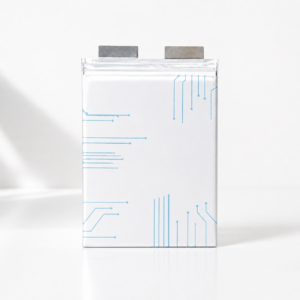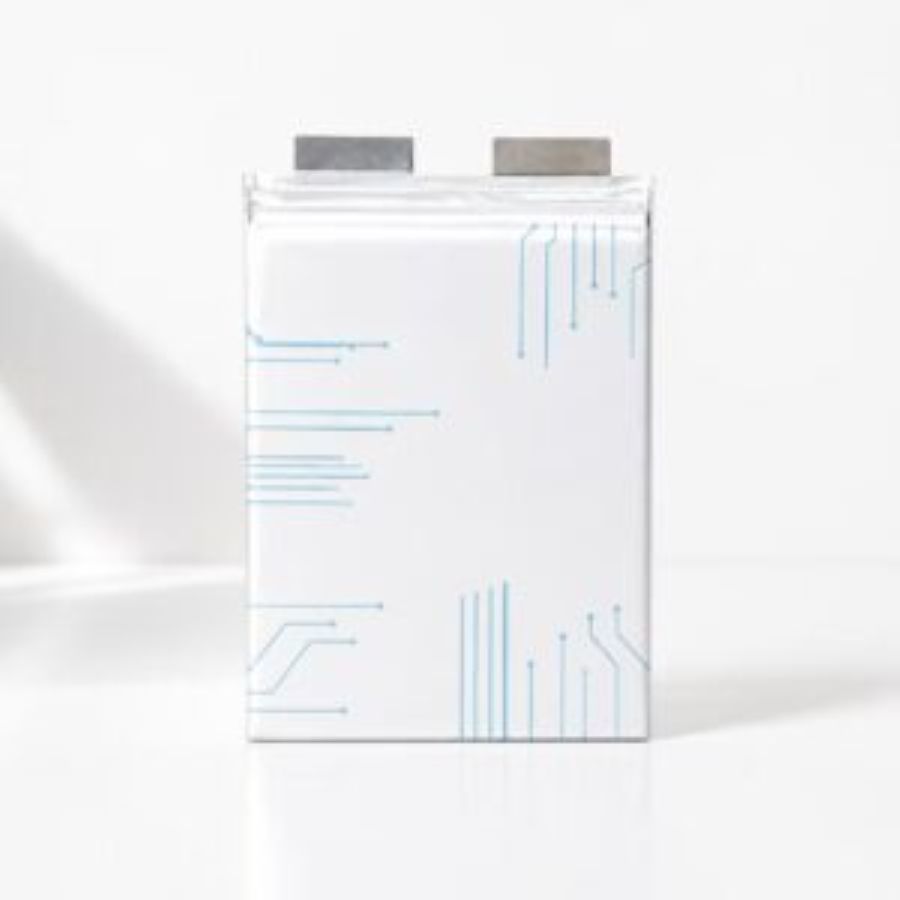
Description
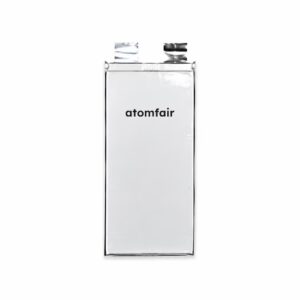
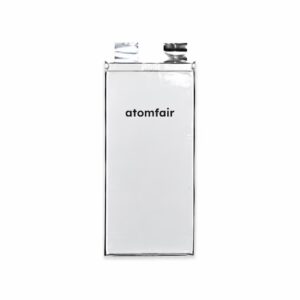
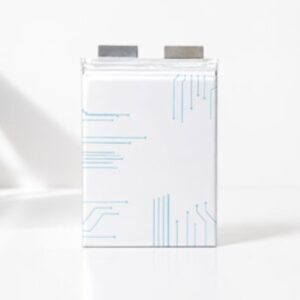
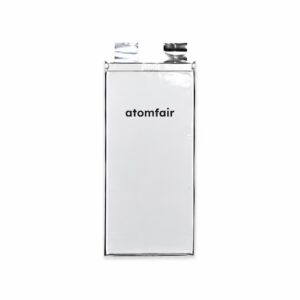
HP Series HPEG / HPED Solid-State Cells (Balanced Power Series)COMMERCIAL GRADE · PRODUCTION
|
|||||||||||||||||||||||||||||||
|
|||||||||||||||||||||||||||||||
|
TAILORED SOLUTIONS FOR HIGH-PERFORMANCE
Contact our engineering team for technical support, high-rate performance data, or official quotations.
EMAIL: INQUIRY@ATOMFAIR.COM
|
|||||||||||||||||||||||||||||||
|
Manufacturer: PRODUCTION DIVISION · ADVANCED ENERGY STORAGE DIVISION
Brand: INDUSTRIAL TESTING HARDWARE
Specifications are representative and subject to change without notice. For the latest version and compliance certificates, contact official sales channel.
|
|||||||||||||||||||||||||||||||
This solid-state cell must be discharged at a rate that keeps surface temperature below 40°C to prevent crystal volume expansion and structural failure. Storage in a dry, inert atmosphere is recommended to avoid electrolyte degradation.
- Thermal Management: Monitor the cell surface temperature during discharge and ensure it does not exceed the 40°C peak increment to maintain phase stability.
- Environmental Exposure: Avoid exposing the cell to humid environments or corrosive gases that could compromise the solid electrolyte interface.
How does the 10C continuous discharge rate of the HPEG/HPED solid-state cell affect cycle life compared to a higher-rate cell like the HPDG 20C series?
The HPEG/HPED cells are calibrated for a balanced trade-off between high-rate output and longevity, delivering ≥600 cycles under a 1C charge/8C discharge validation protocol. In contrast, a higher-rate cell such as the HPDG 20C series would prioritize peak current delivery but typically sacrifices cycle life due to increased mechanical stress on the solid electrolyte interface. This makes the HP series optimal for applications requiring sustained 10C output without premature capacity fade.
Can the HPEG87187T1-22 solid-state pouch cell be integrated into an existing UAV propulsion module designed for lithium-polymer batteries without modifying the battery management system?
Integration requires careful BMS reconfiguration because the HP series solid-state cells exhibit a different voltage plateau and internal resistance profile than conventional LiPo packs. The monolithic solid architecture limits surface thermal rise to ≤40 °C, which is compatible with most avionics, but the BMS must be programmed to match the 22 Ah capacity and 10C continuous discharge curve to prevent under-voltage cutoffs or unbalanced charging. Direct drop-in replacement without BMS adjustment is not recommended.
What storage and handling conditions are required to maintain the ≥600 cycle lifespan of the HPEG/HPED solid-state cells?
To preserve the verified ≥600 cycle lifespan, store cells at 40-60% state of charge in a dry, temperature-controlled environment between 15-25 °C. The light polymer laminate pouch construction is sensitive to puncture and compressive forces, so cells must be handled with clean, non-conductive tools and kept in anti-static packaging during transport. Avoid exposure to temperatures above 60 °C or below -20 °C, as extreme thermal conditions can induce anisotropic crystal volume expansion and degrade the solid electrolyte interface.
The HP Series solid-state cells deliver a balanced 22Ah, 10C continuous discharge platform with sub-40°C thermal rise and 600-cycle lifespan validated at 8C, making them suitable for high-end UAV propulsion where moderate power and longevity are required. Buyers should note that lifecycle validation was performed at 8C, not at the maximum 10C continuous rate, and that alternative series exist for ultra-high discharge or ultra-lightweight applications.
Positive
- 10C Continuous Discharge Capacity: Delivers sustained 220A continuous discharge from the 22Ah pack, enabling high-torque UAV propulsion without premature voltage sag.
- Sub-40°C Surface Thermal Rise: Monolithic solid architecture limits peak temperature increase to 40°C during heavy discharge, protecting adjacent avionics and preventing anisotropic crystal expansion cracks.
Trade-offs
- Lifecycle Validated at 8C, Not 10C: The verified 600-cycle lifespan was conducted at 8C discharge; continuous operation at the full 10C rating may result in different degradation characteristics.
- Balanced Not Extreme Performance: As a balanced power series, this cell does not match the ultra-high discharge (20C) or ultra-lightweight (320Wh/kg) variants available for specialized applications.
Every advanced material, component, equipment, and instrument in our catalog is backed by rigorous testing. We maintain strict internal quality management frameworks and align with CE conformity metrics to deliver transparent, reproducible performance data via our public open-science repository.
To request raw batch performance data, submit formal vendor registration paperwork, or execute a fast-turnaround R&D manufacturing loop, contact us at inquiry@atomfair.com.
Item is dispatched under the Atomfair Shipping & Delivery Framework (Free worldwide shipping on orders over $59 USD). Return is governed by the Atomfair Return & Refund Policy (7-day technical return window).