Description
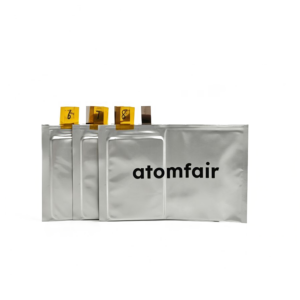
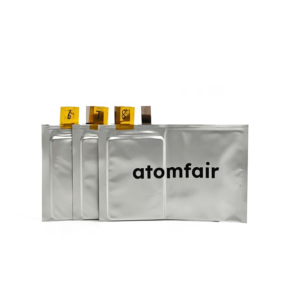
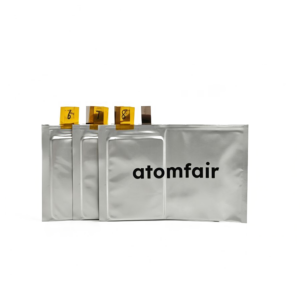
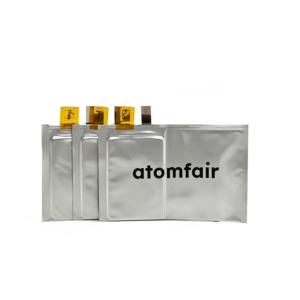
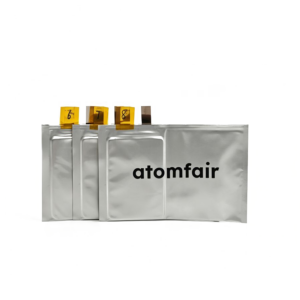
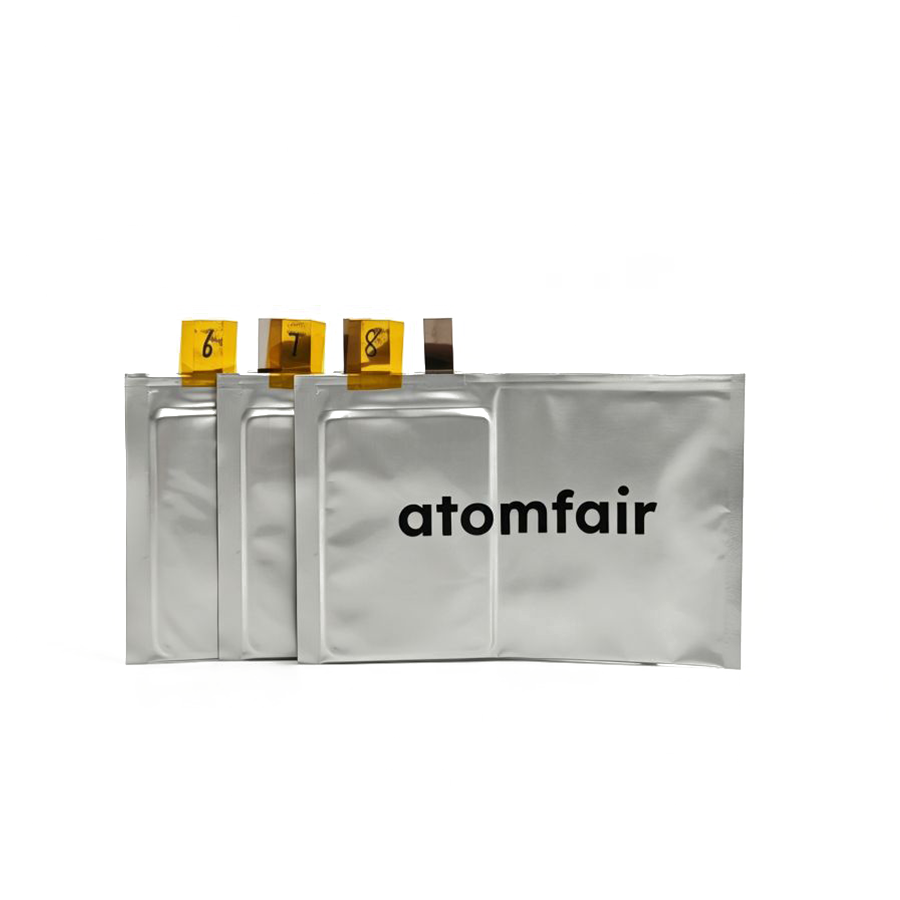
ATOMFAIR® 5AH LI-RICH MN-BASED DRY POUCH CELL (RESEARCH GRADE | HIGH-VOLTAGE PLATFORM)RESEARCH GRADE MATERIAL | HIGH-VOLTAGE PLATFORM
|
|||||||||||||||||||||||||
|
|||||||||||||||||||||||||
|
TAILORED SOLUTIONS FOR RESEARCH
Contact our engineering team for technical support or official institutional quotations.
EMAIL: inquiry@atomfair.com
|
|||||||||||||||||||||||||
|
Manufacturer: Atomfair LLC
Brand: ATOMFAIR®
|
|||||||||||||||||||||||||
This dry pouch cell contains a lithium metal anode and high-voltage cathode that are highly sensitive to moisture and oxygen. Storage under inert atmosphere (argon or nitrogen) in a glovebox is mandatory to prevent oxidation and capacity fade.
- Atmosphere: Store the cell exclusively in an inert atmosphere glovebox with oxygen and moisture levels below 1 ppm to prevent lithium degradation.
- Temperature: Maintain storage temperature between 15°C and 30°C to avoid thermal stress on the dry electrode stack.
- Electrical Safety: Keep the terminals electrically isolated and avoid short circuits, as the lithium metal anode can cause rapid heating and fire.
- Voltage Limit: Never exceed a charging voltage of 4.8 V during testing, as overvoltage can trigger electrolyte decomposition and gas evolution.
- Disposal: Discharge the cell fully before disposal and follow local regulations for lithium battery waste to mitigate environmental hazard.
This procedure describes the safe handling, electrolyte filling, and activation steps for the dry lithium metal pouch cell. All steps must be performed in an inert atmosphere glovebox with oxygen and moisture levels below 1 ppm.
Required Equipment: Inert atmosphere glovebox, Heat sealer for pouch sealing, Syringe with needle for electrolyte injection, Battery cycler with safety cut-off
- Transfer to glovebox
Transfer the vacuum-sealed pouch cell into the inert atmosphere glovebox without breaking the seal. - Inspect seal integrity
Inspect the pouch visually for any punctures or delamination before opening the vacuum packaging. - Inject electrolyte
Inject the selected electrolyte into the dry cell through the designated fill port using a syringe. - Seal the pouch
Seal the fill port immediately with a heat sealer to prevent electrolyte evaporation and contamination. - Allow wetting
Allow the cell to rest for at least 12 hours to ensure complete wetting of the separator and electrodes. - Connect cycler and activate
Connect the cell to a battery cycler and perform the initial formation cycles at a low C-rate to activate the cathode.
What are the performance trade-offs between the Li-Cu composite anode and pure Li foil anode in the Atomfair 5Ah Li-rich Mn pouch cell?
The Li-Cu composite strip enables anode-free or thin-lithium configurations for evaluating cell architectures with minimal lithium inventory, while the 100 μm Li foil provides a conventional lithium metal anode with a finite lithium reservoir. The trade-off involves balancing the available lithium for cycling against the cell-level energy density and the ability to assess lithium plating/stripping efficiency under anode-free conditions.
Which electrolyte formulations are compatible with the Atomfair 5Ah Li-rich Mn-based cathode's 4.8V upper cutoff voltage?
The dry pouch cell is delivered unfilled and is compatible with any custom liquid or solid-state electrolyte the researcher chooses to inject, as it is designed for evaluating proprietary electrolyte systems. However, the 2.0 V – 4.8 V operating window requires that the selected electrolyte be oxidatively stable above 4.8 V versus Li/Li+ to prevent decomposition and ensure reliable high-voltage kinetics testing.
What infrastructure is necessary to safely handle and fill the Atomfair 5Ah dry pouch cell?
The cell must be handled and filled in a controlled environment such as a dry room or argon-filled glovebox to prevent moisture contamination of the lithium metal and the Li-rich Mn-based cathode. Additionally, the cell should be stored in a cool, dry location before use, as specified in the packaging requirements, to maintain material integrity until electrolyte filling and testing.
This 5Ah dry pouch cell with a lithium-rich manganese-based cathode enables high-voltage research up to 4.8V and flexible anode selection (Li-Cu composite or Li foil), but requires electrolyte introduction and handling in a controlled dry atmosphere, along with storage in a cool, dry environment to preserve integrity.
Positive
- High-Voltage Capability: Operational range up to 4.8V enables evaluation of next-generation high-energy chemistries and high-voltage kinetics.
- Dry Design for Custom Electrolytes: Vacuum-sealed and electrolyte-free format allows researchers to introduce tailored liquid or solid-state electrolytes for proprietary testing.
Trade-offs
- Electrolyte Not Included: Cell is delivered dry and requires the researcher to supply and inject electrolyte, adding an extra preparation step and requiring access to a controlled atmosphere.
- Controlled Storage Required: Must be stored in a cool, dry environment to maintain material integrity, imposing environmental constraints on inventory management.
Every advanced material, component, equipment, and instrument in our catalog is backed by rigorous testing. We maintain strict internal quality management frameworks and align with CE conformity metrics to deliver transparent, reproducible performance data via our public open-science repository.
To request raw batch performance data, submit formal vendor registration paperwork, or execute a fast-turnaround R&D manufacturing loop, contact us at inquiry@atomfair.com.
Item is dispatched under the Atomfair Shipping & Delivery Framework (Free worldwide shipping on orders over $59 USD excl. heavy equipment). Return is governed by the Atomfair Return & Refund Policy (7-day technical return window).