Description
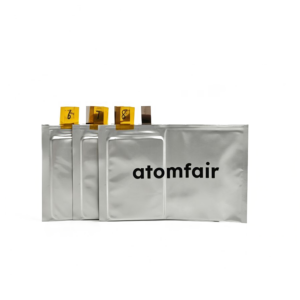
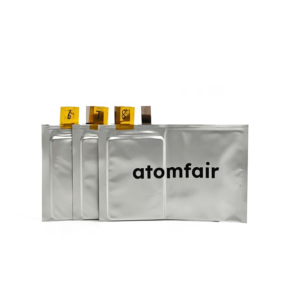
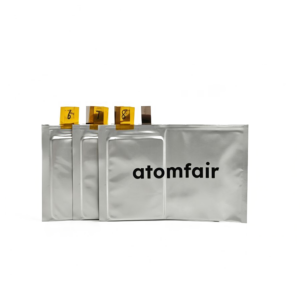
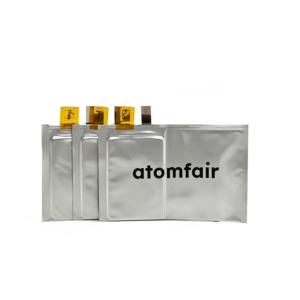
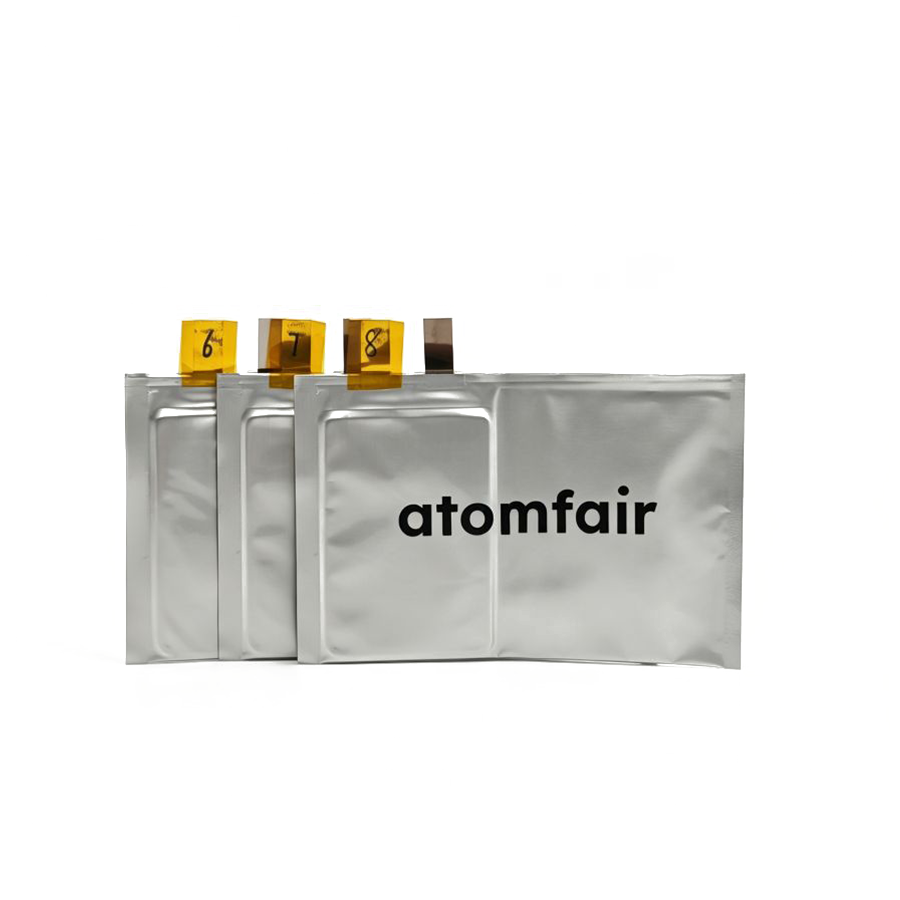
ATOMFAIR® 1AH NFS || HARD CARBON DRY POUCH CELLSODIUM (Na) ION TECHNOLOGY | DRY CORE
|
|||||||||||||||||||||||||
|
|||||||||||||||||||||||||
|
TAILORED SOLUTIONS FOR RESEARCH
Contact our engineering team for technical support or official institutional quotations.
EMAIL: inquiry@atomfair.com
|
|||||||||||||||||||||||||
|
Manufacturer: Atomfair LLC
Brand: ATOMFAIR®
|
|||||||||||||||||||||||||
Store the dry pouch cell in an inert, moisture-free atmosphere to prevent degradation of electrode materials. Avoid physical damage, short circuiting, or exposure to conductive contaminants.
- Short Circuit Prevention: Isolate the cell terminals using non-conductive tape or caps until electrolyte filling.
- Environmental Control: Maintain the dry pouch cell in a dry, inert argon atmosphere to prevent oxidation of the NFS cathode.
- Mechanical Integrity: Avoid bending or creasing the pouch cell to prevent damage to the electrode layers.
This procedure outlines the electrolyte filling and sealing steps required to activate the dry pouch cell. Perform all steps in an inert atmosphere glovebox to avoid moisture and oxygen contamination.
- Equilibrate in Glovebox
Transfer the dry pouch cell into the glovebox and allow it to equilibrate for at least 30 minutes. - Inject Electrolyte
Inject the desired sodium-ion electrolyte into the pouch through the pre-cut filling port. - Seal the Pouch
Seal the filling port using a heat sealer under vacuum or inert atmosphere. - Allow Wetting
Set the sealed cell aside for at least 6 hours to ensure electrolyte wetting.
What performance trade-offs should I expect when using the Atomfair 1Ah NFS hard carbon dry pouch cell with different electrolyte formulations compared to a pre-filled cell?
The cell's nominal capacity is 1Ah, but actual performance depends heavily on electrolyte choice. The dry configuration allows researchers to optimize electrolyte composition for specific conductivity and stability, but improper electrolyte selection can degrade the NFS cathode or hard carbon anode, reducing cycle life. The electrode dimensions (positive 60×80 mm, negative 63×84 mm) set the baseline areal capacity, so the electrolyte must wet both electrodes effectively to achieve the rated capacity.
What are the constraints on the negative-to-positive (N/P) ratio for the Atomfair 1Ah NFS hard carbon dry pouch cell, and can it be customized?
The cell ships with default parameters for areal density, load, and N/P ratio, but custom specifications are available by contacting the engineering team. The negative electrode (63×84 mm) is slightly larger than the positive (60×80 mm) to ensure sodium plating safety under default parameters, yet the N/P ratio can be adjusted for research purposes. This flexibility allows researchers to study anode-limited or cathode-limited behavior for specific sodium-ion chemistries.
What are the critical storage and handling requirements for the Atomfair 1Ah NFS hard carbon dry pouch cell to prevent degradation before electrolyte filling?
The cell must be stored in a cool, dry environment to prevent moisture absorption and degradation of the dry electrode materials. It is a dry core configuration with no electrolyte included, so the pouch and electrodes are sensitive to ambient humidity. Researchers should handle the cell in an inert atmosphere glovebox when performing electrolyte filling to avoid contamination of the NFS cathode or hard carbon anode.
The 1Ah NFS-Hard Carbon dry pouch cell provides a high-fidelity platform for sodium-ion battery research with optimized energy density and enhanced conductivity, but requires external electrolyte filling and strict dry storage conditions to prevent degradation.
Positive
- High Energy Density: NFS-Hard Carbon formulation is optimized for high-performance energy storage, providing a high energy density platform for sodium-ion battery research.
- Enhanced Conductivity: Hard Carbon anode composition improves charge/discharge rates and overall cell kinetics, enabling faster electrochemical cycling in experimental setups.
Trade-offs
- Electrolyte Not Included: The cell is supplied in a dry core configuration without electrolyte, requiring the researcher to source and fill electrolyte for operation, adding a variable to experimental consistency.
- Storage Sensitivity: Must be stored in a cool, dry environment to prevent electrode degradation; exposure to moisture or elevated temperatures can compromise cell performance and reliability.
Every advanced material, component, equipment, and instrument in our catalog is backed by rigorous testing. We maintain strict internal quality management frameworks and align with CE conformity metrics to deliver transparent, reproducible performance data via our public open-science repository.
To request raw batch performance data, submit formal vendor registration paperwork, or execute a fast-turnaround R&D manufacturing loop, contact us at inquiry@atomfair.com.
Item is dispatched under the Atomfair Shipping & Delivery Framework (Free worldwide shipping on orders over $59 USD). Return is governed by the Atomfair Return & Refund Policy (7-day technical return window).