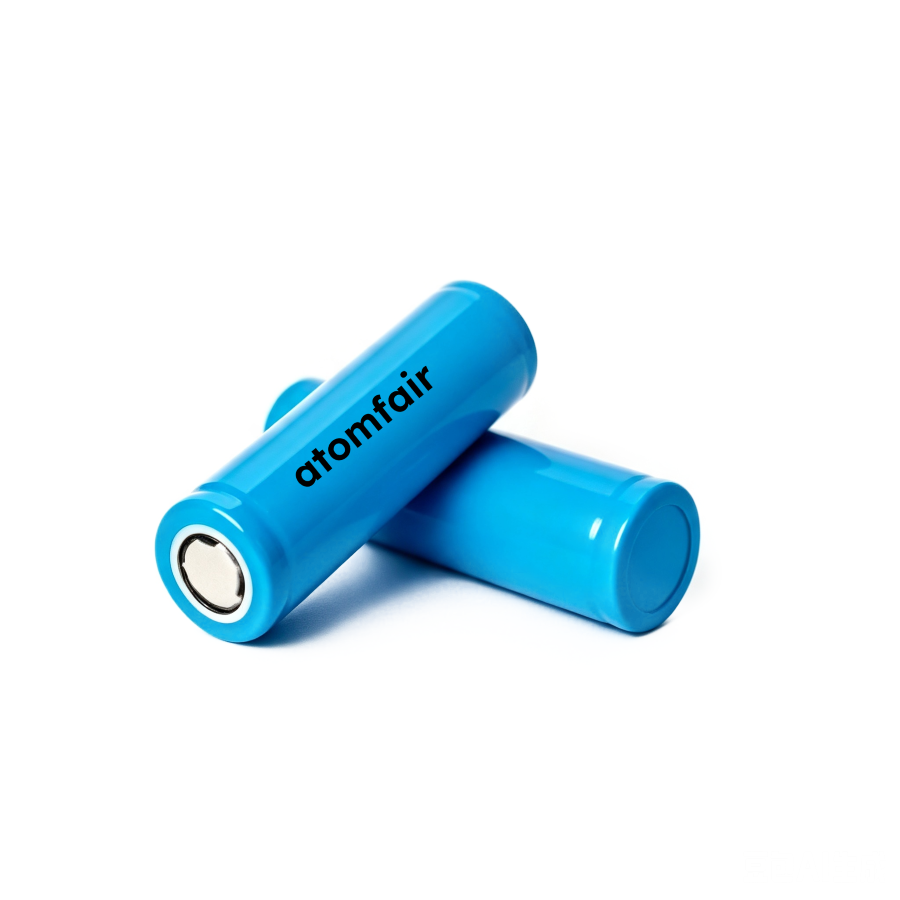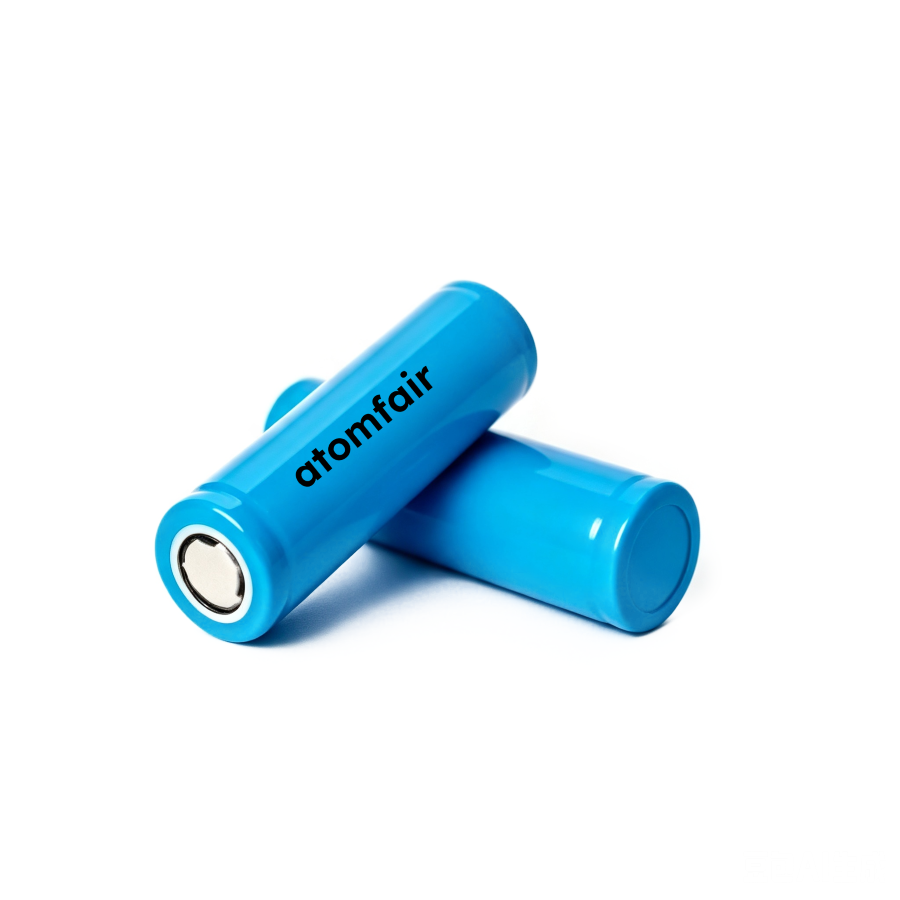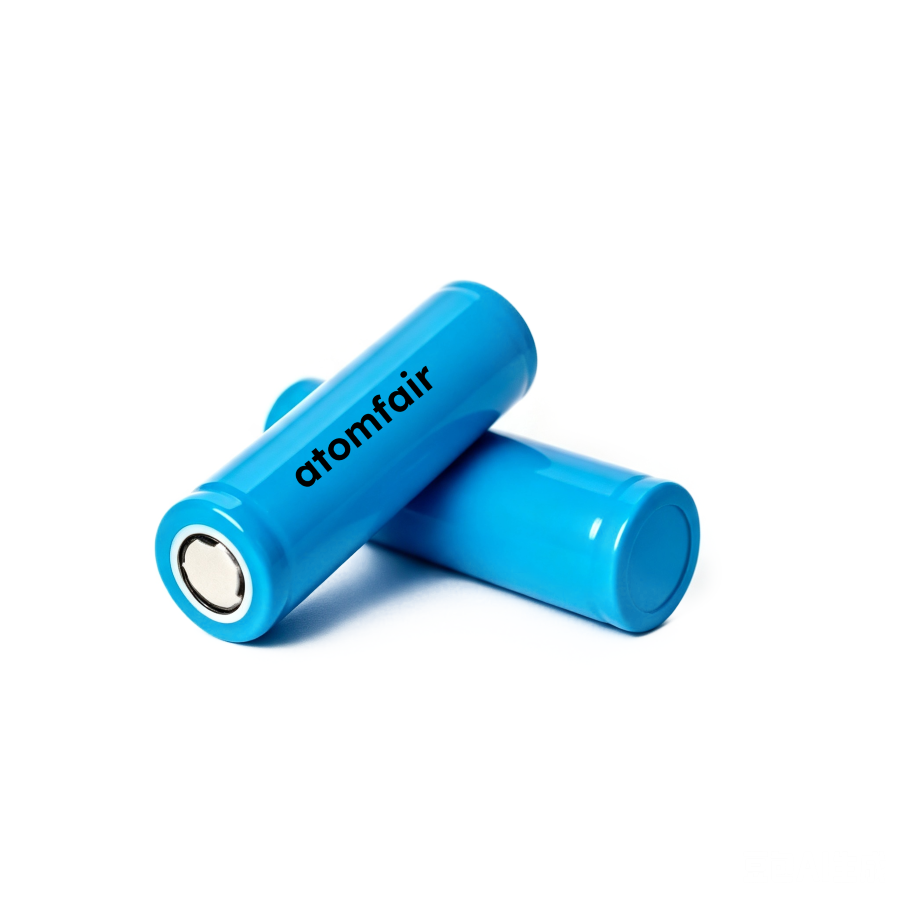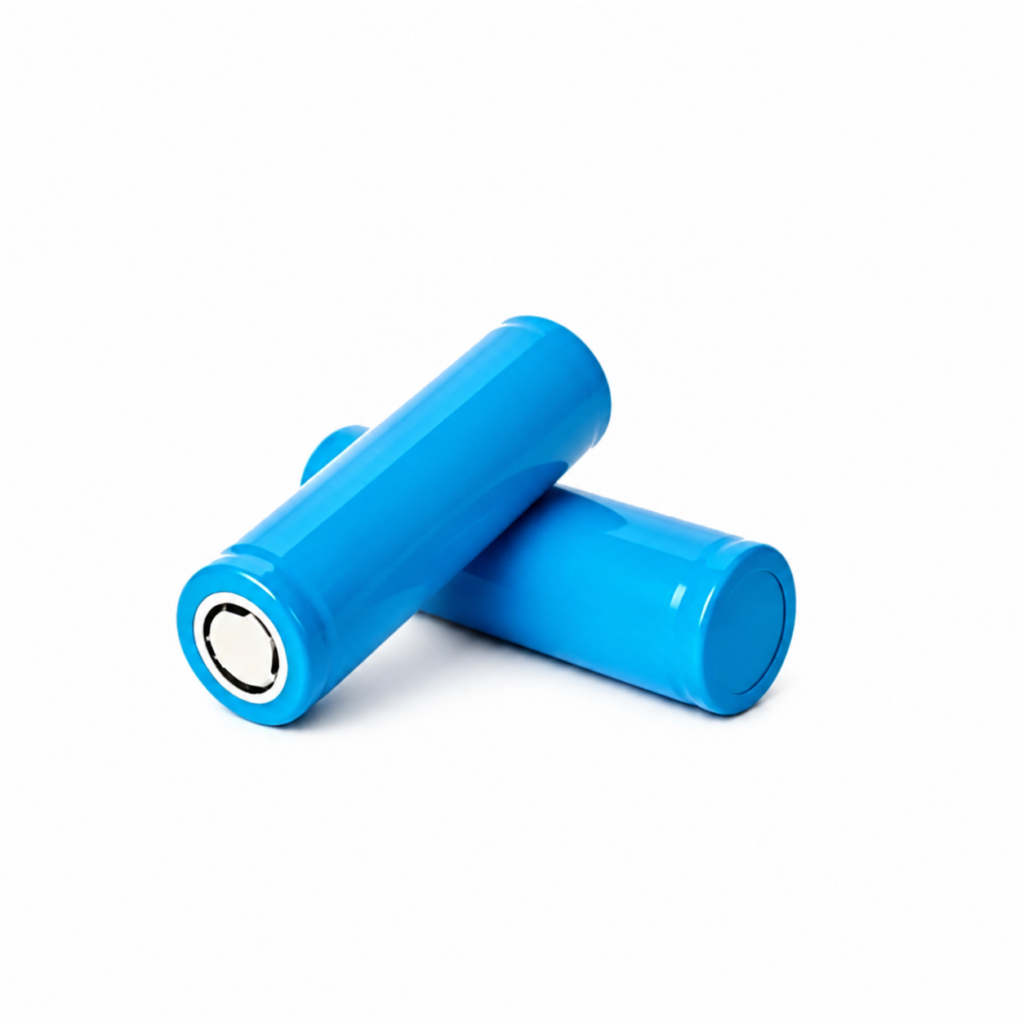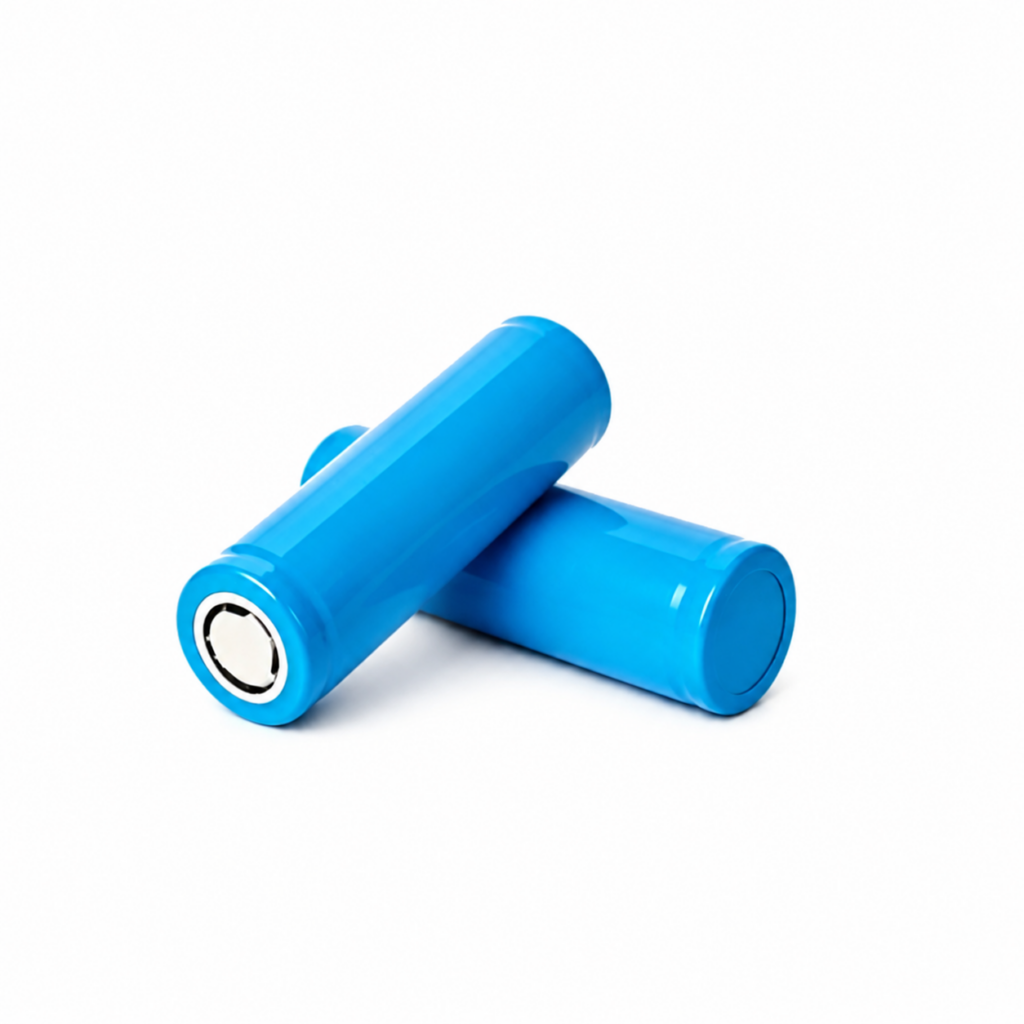
3400mAh Ultra-Low-Temperature 26650 Lithium Iron Phosphate (LFP) Cylindrical Battery (4-Pack) |
|||||||||||||||||||||||||||||||||||||||||||||||||||||
|
|||||||||||||||||||||||||||||||||||||||||||||||||||||
|
TAILORED SOLUTIONS FOR RESEARCH
Contact our engineering team for technical support or official institutional quotations.
EMAIL: inquiry@atomfair.com
|
|||||||||||||||||||||||||||||||||||||||||||||||||||||
|
Manufacturer: Atomfair LLC
Brand: ATOMFAIR®
|
|||||||||||||||||||||||||||||||||||||||||||||||||||||
This lithium iron phosphate cell requires strict temperature-dependent charge current and voltage limits. Discharge voltage cutoff must be adjusted based on operating temperature to prevent cell damage.
- Charge Temperature Range: Charging is only permitted between -30°C and 60°C; the cell does not accept charge below -30°C.
- Charge Current Limits: Maximum charge current is 3.0C above 0°C, reduced to 0.5C at 0°C to -20°C, and further reduced to 0.2C at -20°C to -30°C.
- Discharge Voltage Cutoff: Minimum discharge voltage is 2.00V for temperatures above -20°C and 1.50V for temperatures at or below -20°C.
- Low-Temperature BMS Requirement: A low-temperature BMS must be used to enable charging only when the cell temperature is within the safe range of -30°C to 60°C.
Follow these steps to initialize and safely operate the cell in extreme cold conditions. Always adhere to the temperature-dependent charge and discharge parameters specified by the manufacturer.
Required Equipment: Low-temperature BMS, CC-CV capable battery charger
- Verify Cell Temperature
Confirm the cell temperature is above -30°C before initiating any charging cycle. - Install Low-Temperature BMS
Connect a low-temperature BMS that restricts charging to the cell's safe temperature range of -30°C to 60°C. - Set Charge Current and Profile
Configure the charger to use a CC-CV profile and set the maximum charge current according to the cell temperature: 3.0C above 0°C, 0.5C from 0°C to -20°C, or 0.2C from -20°C to -30°C. - Set Discharge Voltage Cutoff
Adjust the discharge cutoff voltage to 2.00V for temperatures above -20°C and to 1.50V for temperatures at or below -20°C.
What charge current should be used when charging the 26650 LFP battery at temperatures below -20°C?
For charging at temperatures ≤ -20°C, the maximum allowed charge current is 0.2C (680 mA). The cell will not accept charge below -30°C. Always use a CC-CV profile with a low-temperature BMS to ensure safe operation. This is supported by the product specification: standard charge current 0.5C, but reduced to 0.2C at T ≤ -20°C, and 0.5C at T ≤ 0°C.
Can this low-temperature LFP cell be used for high-pulse loads in arctic off-grid solar storage?
Yes, the cell supports a 5C pulse discharge (17A for 30 seconds) across its full temperature range (-50°C to 60°C). With >90% capacity retention at -50°C and 2000 cycles at 80% DOD, it is suitable for high-rate pulsed loads in off-grid solar and telecom backup in extreme cold. However, continuous discharge is limited to 3C (10.2A) and a low-temperature BMS is required to manage charging limits.
What is the minimum discharge voltage for this LFP cell when operating below -20°C?
The minimum discharge voltage is 1.50 V when the cell temperature is ≤ -20°C. Above -20°C, the cut-off is 2.00 V. This distinction is critical for BMS configuration to avoid over-discharge and cell damage in cold environments. The specification explicitly lists 2.00 V @ T > -20°C and 1.50 V @ T ≤ -20°C.
This 26650 LFP cell delivers direct charging at -30°C without pre-heating and >90% capacity retention at -50°C discharge, making it suitable for extreme cold energy storage; however, charging current must be derated significantly at low temperatures and the cell requires a BMS that respects temperature-dependent voltage limits.
Positive
- Direct sub-zero charging without pre-heating: The cell can be charged at temperatures as low as -30°C without external heating, eliminating the need for battery warmers in cold environments.
- High low-temperature discharge efficiency: Capacity retention exceeds 90% at -50°C to 1.5V, ensuring reliable power delivery under extreme cold conditions.
Trade-offs
- Reduced charge current at low temperatures: Charging below -20°C requires a maximum current of 0.2C, significantly slowing recharge times in sub-zero conditions.
- Temperature-dependent voltage limits for BMS: The minimum discharge voltage shifts from 2.00V above -20°C to 1.50V below -20°C, requiring a BMS that can dynamically adjust cutoff thresholds.
Every advanced material, component, equipment, and instrument in our catalog is backed by rigorous testing. We maintain strict internal quality management frameworks and align with CE conformity metrics to deliver transparent, reproducible performance data via our public open-science repository.
To request raw batch performance data, submit formal vendor registration paperwork, or execute a fast-turnaround R&D manufacturing loop, contact us at inquiry@atomfair.com.
Item is dispatched under the Atomfair Shipping & Delivery Framework (Free worldwide shipping on orders over $59 USD excl. heavy equipment). Return is governed by the Atomfair Return & Refund Policy (7-day technical return window).