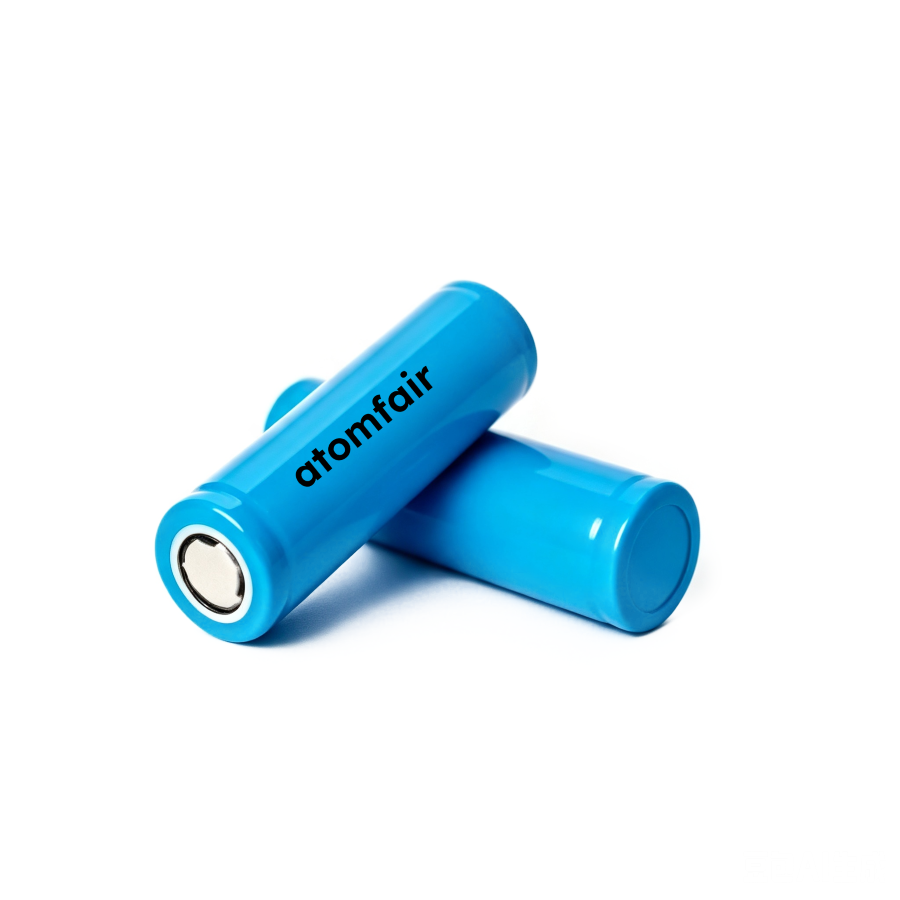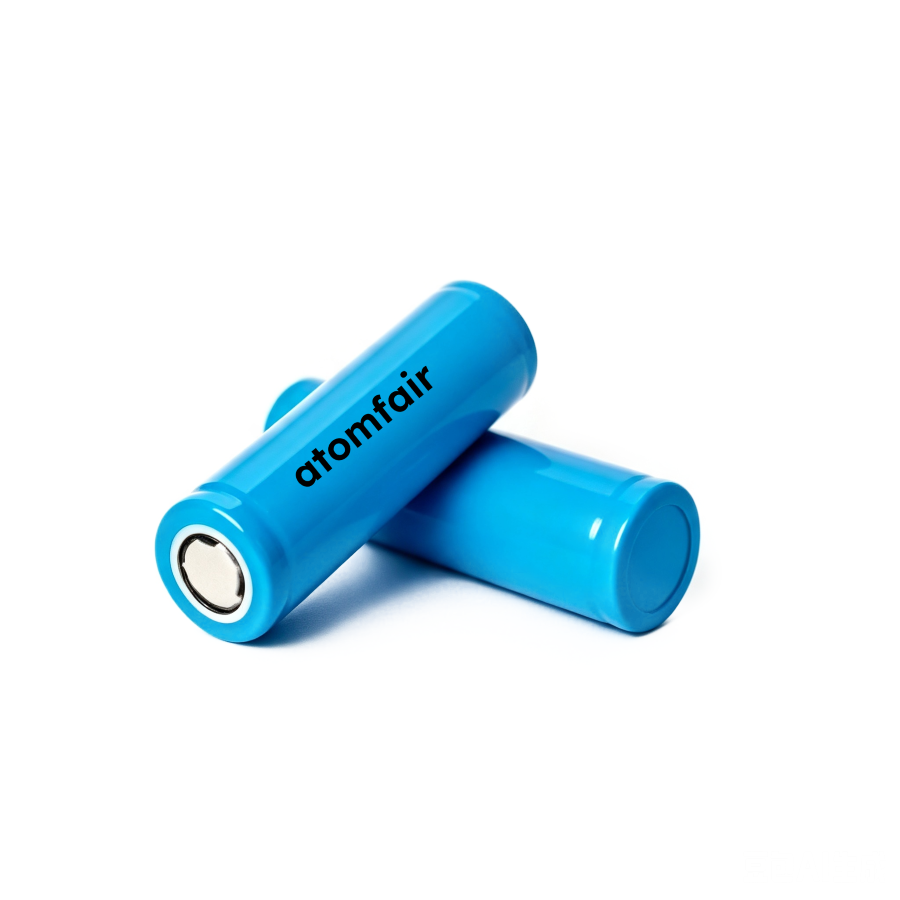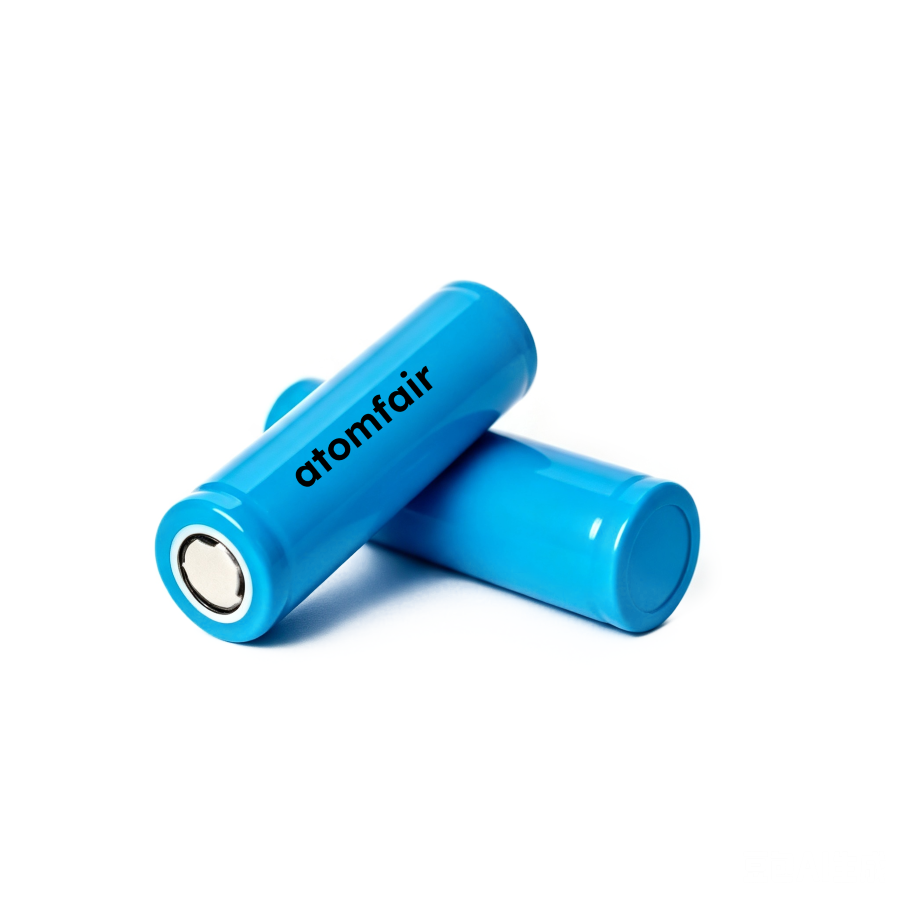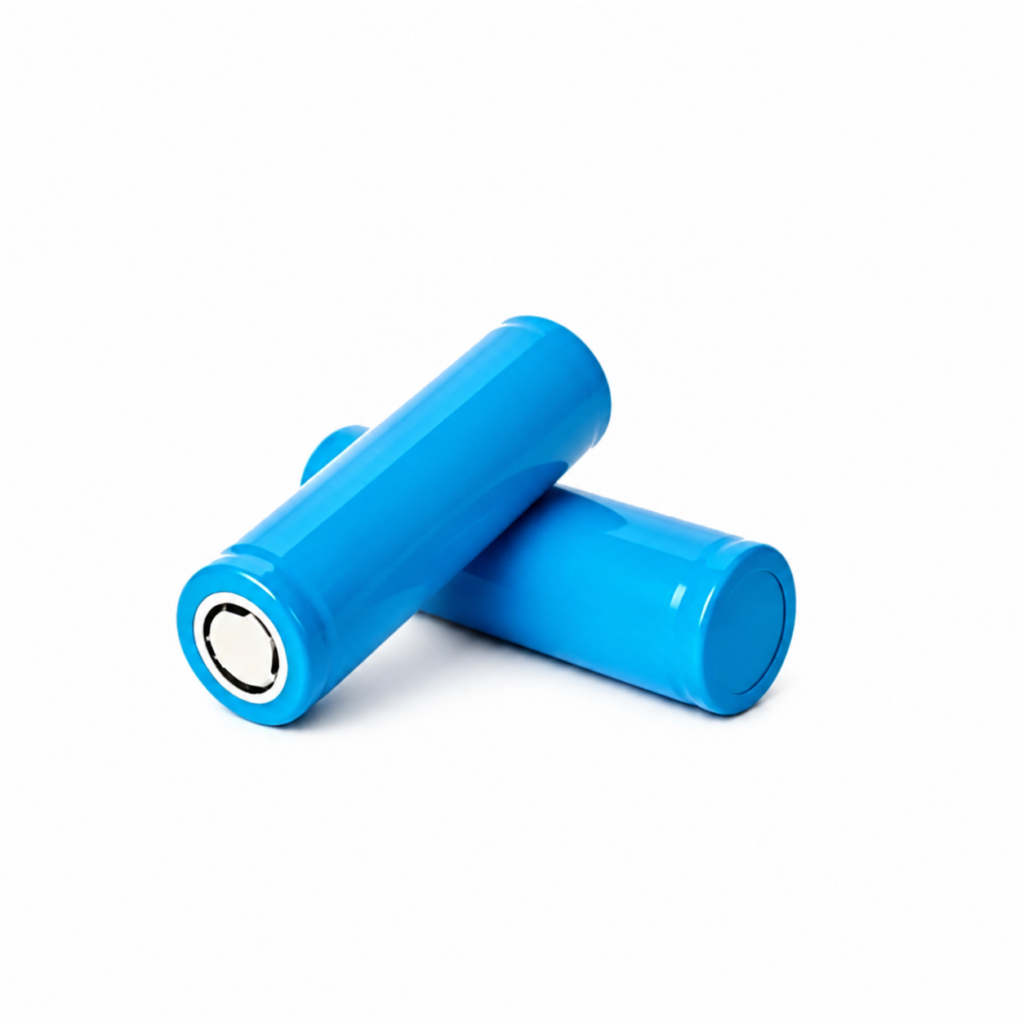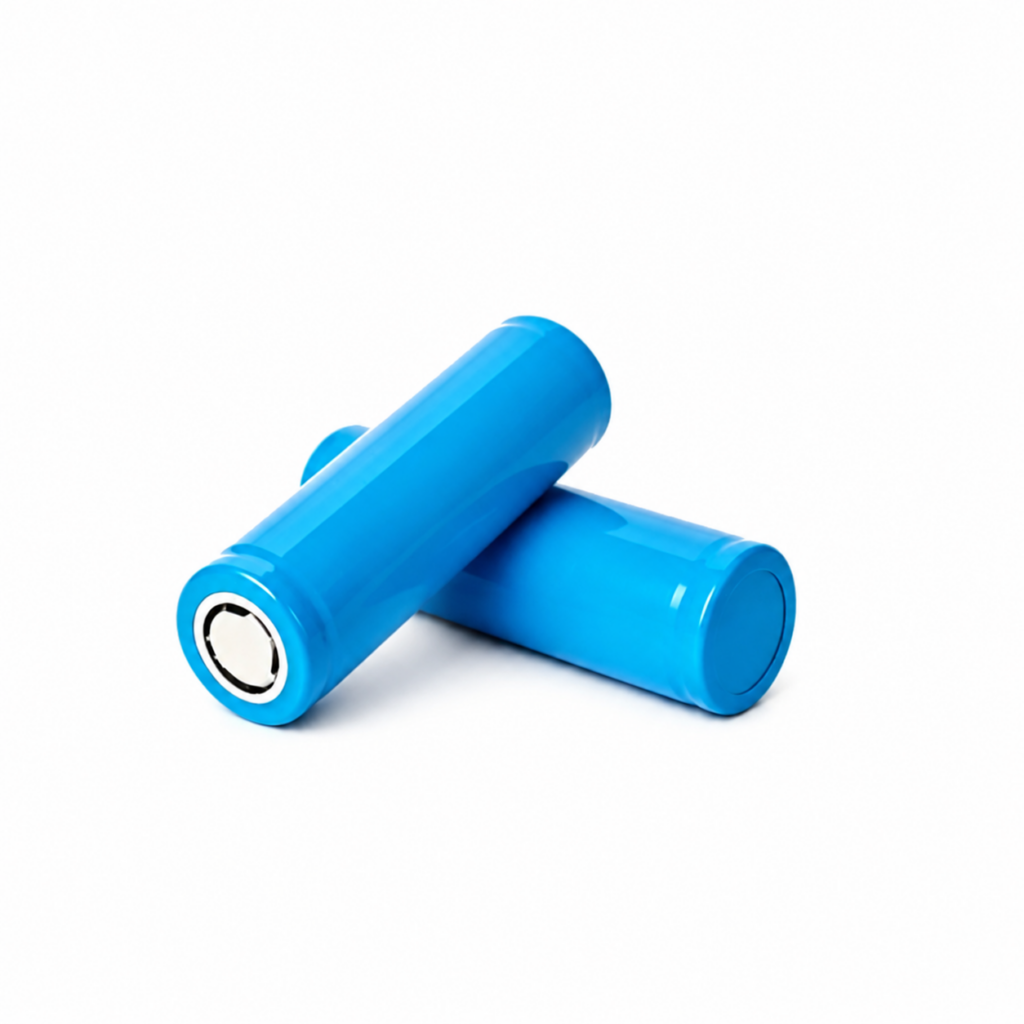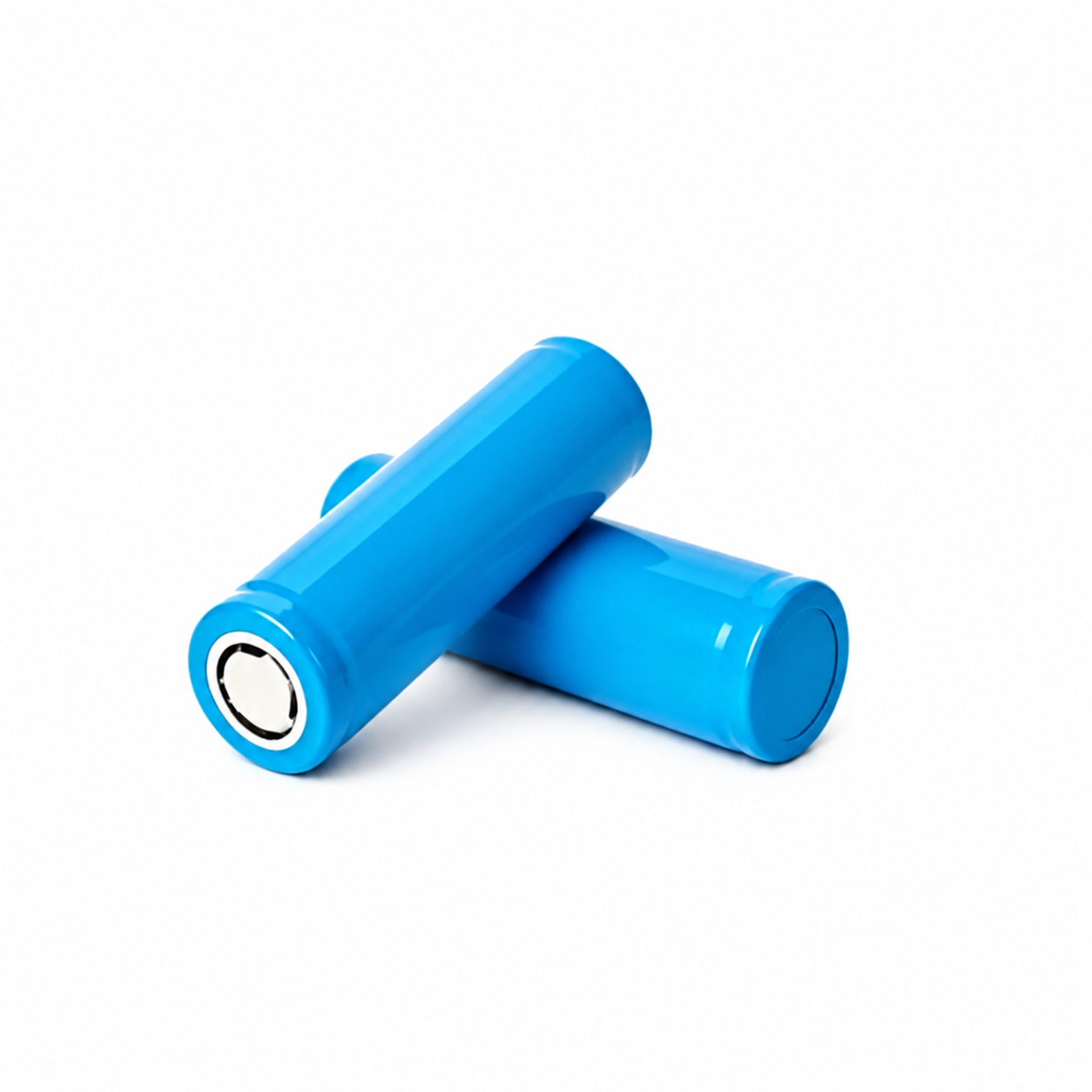
3200mAh Ultra-Low-Temperature 26650 Lithium Iron Phosphate (LFP) Cylindrical Battery (4-Pack)COMMERCIAL GRADE · PRODUCTION
|
|||||||||||||||||||||||||||||||||||||||||||||||||||
|
|||||||||||||||||||||||||||||||||||||||||||||||||||
|
TAILORED SOLUTIONS FOR RESEARCH
Contact our engineering team for technical support or official institutional quotations.
EMAIL: inquiry@atomfair.com
|
|||||||||||||||||||||||||||||||||||||||||||||||||||
|
Manufacturer: Atomfair LLC
Brand: ATOMFAIR®
|
|||||||||||||||||||||||||||||||||||||||||||||||||||
This lithium iron phosphate cylindrical cell requires strict adherence to charge temperature and current limits to prevent damage. The cell must be paired with a low-temperature BMS and charged using a CC-CV profile with reduced current at sub-zero temperatures.
- Charge Temperature Range: Charge only within -30°C to 60°C; the cell will not accept charge below -30°C.
- Charge Current Limits: Use a maximum charge current of 0.2C at temperatures ≤ -20°C, 0.5C between -20°C and 0°C, and 3.0C above 0°C.
- Discharge Voltage Limits: Do not discharge below 2.0V at temperatures above -20°C, or below 1.5V at -20°C and below, to prevent over-discharge damage.
- BMS Requirement: Always pair the cell with a low-temperature BMS that enables charging only when the cell temperature is within safe limits.
- Charging Profile: Use a CC-CV charging profile at low temperatures, especially at -30°C with reduced current.
This procedure outlines the steps required to safely charge the battery at low temperatures, particularly at -30°C. Adherence to these steps prevents damage and ensures reliable operation.
Required Equipment: Low-temperature BMS
- Connect BMS
Connect the cell to a low-temperature BMS that restricts charging to safe temperature ranges. - Set Charge Current
Set the charge current to ≤0.2C when charging at -30°C, or adjust according to the temperature-based current limits. - Apply Charging Profile
Apply a CC-CV charging profile for the entire charge cycle, maintaining constant current until voltage reaches 3.65V then constant voltage.
What is the maximum charge current for the 3200mAh LFP cell at temperatures below 0°C?
The maximum charge current depends on temperature: above 0°C, the cell can accept up to 3.0C; at or below 0°C, limit to 0.5C; and at or below -20°C, reduce to 0.2C. This ensures safe charging without damaging the cell.
What BMS configuration is required for charging this LFP cell at -30°C?
A low-temperature BMS that only permits charging when the cell temperature is within safe limits is mandatory. Use a CC-CV profile with a reduced charge current of ≤0.2C to avoid damage. The cell will not accept charge below -30°C.
What is the minimum discharge voltage cutoff for this cell at temperatures below -20°C?
For temperatures below -20°C, the minimum discharge voltage is 1.50 V. Above -20°C, it is 2.00 V. This allows the cell to deliver >90% capacity even at -40°C when discharged to 1.5V.
The ATOMFAIR 26650 LFP cell offers 3200mAh with extreme low-temperature charge/discharge capability, but requires controlled charging rates and a compatible BMS for reliable operation in sub-zero environments.
Positive
- Extreme Low-Temperature Operation: Capable of direct charging at -30°C and discharging at -50°C without external heating, eliminating the need for battery warmers in harsh winter environments.
- High Power Output in Cold: Supports continuous 16A discharge (5C) and pulse 32A for 30 seconds with >90% efficiency at low temperatures, providing reliable power in extreme cold.
Trade-offs
- Reduced Charge Rate at Low Temperatures: At temperatures below -20°C, the maximum charge current is limited to 0.2C, significantly increasing charging time. Charging below -30°C is not possible.
- Requires Compatible Low-Temperature BMS: The cell must be paired with a low-temperature BMS that enables charging only when the cell temperature is within safe limits, adding system complexity.
Every advanced material, component, equipment, and instrument in our catalog is backed by rigorous testing. We maintain strict internal quality management frameworks and align with CE conformity metrics to deliver transparent, reproducible performance data via our public open-science repository.
To request raw batch performance data, submit formal vendor registration paperwork, or execute a fast-turnaround R&D manufacturing loop, contact us at inquiry@atomfair.com.
Item is dispatched under the Atomfair Shipping & Delivery Framework (Free worldwide shipping on orders over $59 USD excl. heavy equipment). Return is governed by the Atomfair Return & Refund Policy (7-day technical return window).