Description
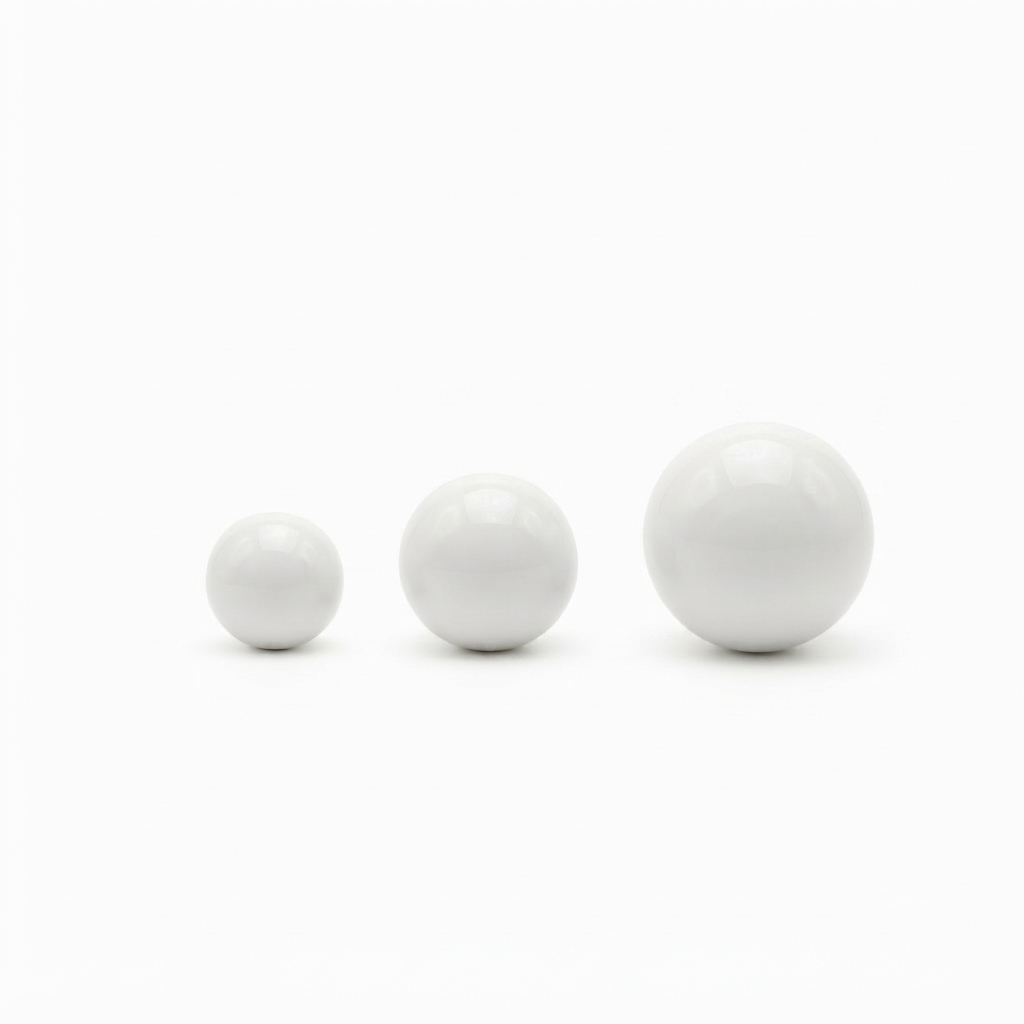
ATOMFAIR YSZ ZIRCONIA GRINDING BALLS MIXED SIZE 1KG MOHS 8.5 DENSITY 6.0RESEARCH GRADE MATERIAL
|
|||||||||||||||||||||||||||||||||||||||||||||||||||||||
|
|||||||||||||||||||||||||||||||||||||||||||||||||||||||
|
TAILORED SOLUTIONS FOR RESEARCH
Contact our engineering team for technical support or official quotations.
EMAIL: inquiry@atomfair.com
|
|||||||||||||||||||||||||||||||||||||||||||||||||||||||
|
Manufacturer: Atomfair LLC
Brand: ATOMFair®
|
|||||||||||||||||||||||||||||||||||||||||||||||||||||||
These grinding balls exhibit high wear resistance and chemical stability but require strict handling to prevent damage and contamination. Improper use with incompatible jar materials or thermal shock can cause premature failure and sample contamination.
- Jar Material Compatibility: Do not use zirconia balls in soft jars such as agate, nylon, PTFE, or PU to avoid jar wear and contamination.
- Thermal Shock Avoidance: Avoid rapid thermal shock from direct water cooling or rapid heating to prevent internal cracking.
- Hydrofluoric Acid Sensitivity: Prolonged immersion in high-concentration HF will corrode the zirconia crystal structure.
- Ultra-Hard Material Limitation: For materials above Mohs 9 hardness, prolonged grinding accelerates wear; prefer WC cemented carbide balls.
- Damaged Ball Replacement: Discard balls showing chipping or white debris to avoid excess zirconium contamination.
Proper handling maximizes grinding efficiency and prevents contamination. Follow these steps to ensure optimal performance and longevity.
Required Equipment: Ball mill (planetary, stirred, vibratory, or roller), Zirconia ball mill jar
- Select Compatible Jar Material
Select a zirconia ball mill jar to match the ball material and avoid soft jar types. - Inspect Balls Before Use
Inspect grinding balls for any chipping, spalling, or surface damage before loading. - Verify Jar Compatibility
Verify that the jar material is compatible and do not use agate, nylon, PTFE, or PU jars. - Avoid Thermal Shock
Avoid rapid thermal shock by allowing the jar to cool naturally after grinding. - Replace Damaged Balls
Replace any balls showing chipping or white debris immediately to prevent contamination.
How does the wear rate of YSZ zirconia grinding balls compare to alumina and agate, and what are the trade-offs in contamination for high-purity applications?
The wear rate is approximately 10⁻⁷ g/h, one-third that of alumina balls and one-half that of zirconium silicate. This ultra-low wear releases only trace zirconium with absolutely no iron, aluminum, nickel, or cobalt metal contamination, making them preferred for lithium battery materials and pharmaceuticals. However, for trace metal element detection experiments, the zirconium release may interfere, so agate balls are recommended instead.
What are the critical constraints when using YSZ zirconia grinding balls with different jar materials?
Prolonged use in lower-hardness jars such as agate, nylon, PTFE, or PU is prohibited because the high-hardness zirconia balls will scratch and wear the soft jar bodies, introducing jar debris contamination into samples. The optimal configuration is zirconia jars with zirconia balls for homogeneous material matching and longest service life. Additionally, avoid rapid thermal shock and prolonged immersion in high-concentration HF.
What handling precautions are necessary to prevent fracture of YSZ zirconia grinding balls during thermal cycling?
Avoid rapid thermal shock: direct water cooling of high-temperature jars after grinding or rapid heating during frozen grinding will cause invisible internal cracking in balls, leading to progressive fracture. Also, replace damaged balls immediately if chipping or white debris is observed to prevent excess zirconium impurity contamination.
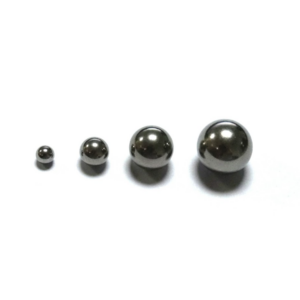
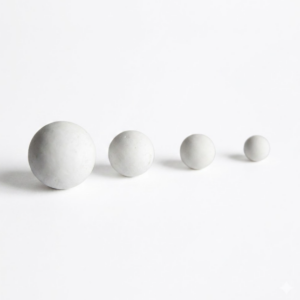
The Atomfair YSZ Zirconia Grinding Balls mixed-size 1kg configuration leverages a 4:2:1 ratio of Φ15mm, Φ8mm, and Φ5mm balls to maximize grinding efficiency through combined impact and shear forces, with a density of 6.0 g/cm³ and Mohs hardness of 8.5 enabling nano-scale refinement. However, operational constraints include incompatibility with lower-hardness jar materials (e.g., agate, nylon) to avoid contamination, and susceptibility to thermal shock from rapid temperature changes, which can cause internal cracking.
Positive
- Mixed-size ratio boosts grinding efficiency: The 4:2:1 quantity ratio of Φ15mm, Φ8mm, and Φ5mm balls provides primary impact, intermediate refinement, and final fine grinding, significantly increasing efficiency over single-diameter media for nano-scale particle size uniformity.
- Ultra-low wear and contamination profile: With a wear rate of approximately 10⁻⁷ g/h (one-third that of alumina) and release of only trace zirconium—no Fe, Al, Ni, or Co—these balls are ideal for high-purity applications like lithium battery materials and pharmaceuticals.
Trade-offs
- Incompatible with soft jar materials: Prolonged use in agate, nylon, PTFE, or PU jars causes scratching and wear of the jar body, introducing jar debris contamination; optimal pairing requires zirconia jars.
- Susceptible to thermal shock damage: Rapid temperature changes, such as direct water cooling after grinding or rapid heating during frozen grinding, can cause invisible internal cracking and progressive fracture of the balls.
Every advanced material, component, equipment, and instrument in our catalog is backed by rigorous testing. We maintain strict internal quality management frameworks and align with CE conformity metrics to deliver transparent, reproducible performance data via our public open-science repository.
To request raw batch performance data, submit formal vendor registration paperwork, or execute a fast-turnaround R&D manufacturing loop, contact us at inquiry@atomfair.com.
Item is dispatched under the Atomfair Shipping & Delivery Framework (Free worldwide shipping on orders over $59 USD). Return is governed by the Atomfair Return & Refund Policy (7-day technical return window).