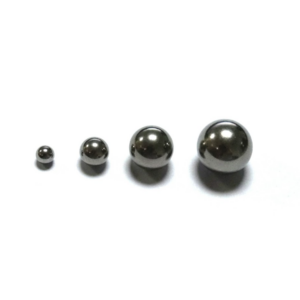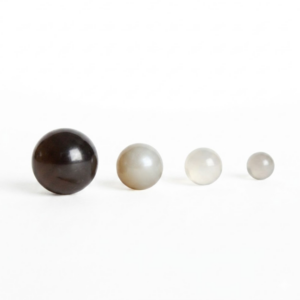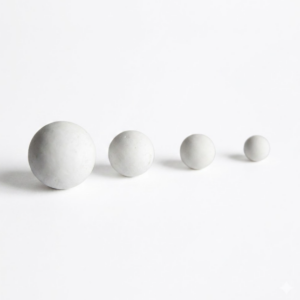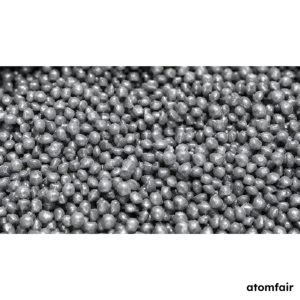
WC-Co Tungsten Carbide Grinding Balls 1kg

$600.00

Institutional Procurement & Supply Compliance: As a verified US supplier, Atomfair accepts formal institutional Purchase Orders (POs), contract billing schedules, and custom procurement loops for university and national laboratories, and corporate R&D departments globally.

Research-grade WC-Co grinding balls, Φ15/8/5mm mixed 1kg at 4:2:1, 14.5–15.0 g/cm³, HRA 88–93, ≤0.001mm tolerance, ~10^-9 g/h wear. Order now.

SKU: AF-B-WC-1KG
Category: ,
Tags:
Brands:

Description

ATOMFAIR WC-CO TUNGSTEN CARBIDE GRINDING BALLS MIXED SIZE 1KG

RESEARCH GRADE MATERIAL

Product Overview

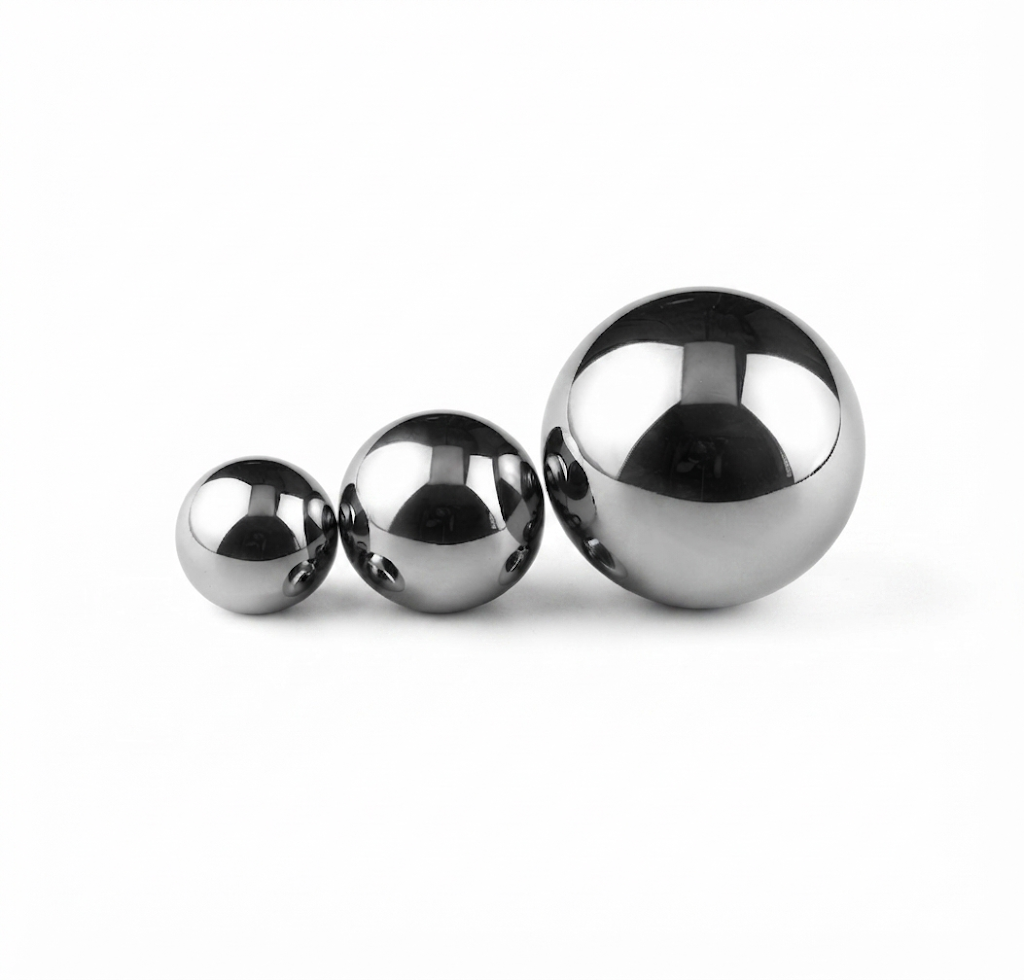
ATOMFAIR® Tungsten Carbide Cobalt Grinding Balls (WC-Co) are manufactured from high-purity tungsten carbide (WC) and metallic cobalt (Co) via vacuum high-pressure sintering into a single integrated body. With WC-Co 14.5–15.0 g/cm³ HRA 88–93 specifications, these grinding balls deliver the highest grinding kinetic energy among all commercially available grinding media—nearly 2× the density of stainless steel (7.9 g/cm³) and 2.5× that of zirconia (6.0 g/cm³). The balls feature mirror polished ≤0.001mm tolerance 10⁻⁹ g/h wear rate surface quality with zero pitting and zero porosity, ensuring exceptional sphericity and minimal wear. This listing is a mixed-size configuration (Φ15mm + Φ8mm + Φ5mm) with a total net weight of 1kg, specifically designed to maximize grinding efficiency. Multi-ball size ratio grinding delivers significantly higher efficiency than single-diameter media—the large balls provide primary impact force for breaking large particles, medium balls further refine particles, and small balls increase contact points for final fine grinding and homogenization. Custom sizes and weight ratios are available upon request at inquiry@atomfair.com.

Technical Specifications

PARAMETER DETAILS
1. Core Material & Composition
Material Composition High-Purity Tungsten Carbide (WC) + Metallic Cobalt (Co) Binder
Manufacturing Process Vacuum High-Pressure Sintering, Single Integrated Body
Density 14.5–15.0 g/cm³
Hardness HRA 88–93 (Mohs ≥9)
Bending Strength ≥2800 MPa
2. Mixed Size Configuration
Listing Specification Mixed Size: Φ15mm + Φ8mm + Φ5mm · 1 kg Net Weight
Mixing Ratio (Quantity) Large Ball (Φ15mm) : Medium Ball (Φ8mm) : Small Ball (Φ5mm) ≈ 4 : 2 : 1
Large Ball (Φ15mm) Provides primary impact force, responsible for breaking large particles
Medium Ball (Φ8mm) Bridges coarse and fine grinding, further refines particles
Small Ball (Φ5mm) Increases contact points, final fine grinding and homogenization—critical for uniform nano-scale particle size
3. Performance & Quality Metrics
Spherical Precision Tolerance ≤0.001 mm, Mirror Polished (Zero Pitting, Zero Porosity)
Wear Rate ~10⁻⁹ g/h (Ultra-Low, Negligible Media Loss)
Temperature & Corrosion Resistance High Temperature Resistant; Resistant to Weak Acids & Alkalis (Not for Strong HF or Concentrated Strong Alkali Long-Term Use)
Custom Configurations Custom diameters (0.3 mm–75 mm), weight ratios, and batch quantities are available upon request. Please contact us via email at inquiry@atomfair.com.

Key Features & Advantages

  • Optimized Mixed-Size Ratio (4:2:1) for Maximum Grinding Efficiency: Multi-ball size ratio grinding delivers significantly higher efficiency than single-diameter media. The Φ15mm large balls provide primary impact force for breaking large particles, Φ8mm medium balls further refine particles, and Φ5mm small balls increase contact points for final fine grinding and homogenization—critical for achieving uniform nano-scale particle size.
  • Ultra-High Density (14.5–15.0 g/cm³) for Maximum Grinding Kinetic Energy: With density 2.5× zirconia and nearly 2× stainless steel, WC-Co balls deliver the highest impact energy in planetary milling, achieving nano-scale refinement of ultra-hard materials (SiC, B₄C, diamond) that conventional ceramic media cannot process.
  • Extreme Wear Resistance with 10⁻⁹ g/h Wear Rate: Hardness exceeding HRA 88 (Mohs ≥9) with mirror-polished, pit-free surface ensures negligible media wear during extended high-speed grinding, minimizing impurity introduction into high-value powder products and reducing long-term consumable costs.
  • Low Contamination with Dense Non-Shedding Structure: The fully densified body with zero sand holes and mirror-polished surface resists flaking and spalling; only trace W and Co elements are released, making these balls suitable for ultra-hard powders where Fe, Al, and Zr contamination is unacceptable but trace W/Co doping is tolerable.
  • High Toughness with ≥2800 MPa Bending Strength: The cobalt binder phase absorbs impact stress, preventing fracture even under high-speed planetary rotation and high ball-to-powder ratio conditions, making the balls compatible with demanding mechanical alloying processes.

APPLICATION SCOPE: Laboratory research grinding of ultra-hard inorganic powders including silicon carbide (SiC), boron carbide (B₄C), diamond micropowder, silicon nitride (Si₃N₄), and cubic boron nitride (cBN). Mechanical alloying of cemented carbide powders, titanium alloys, magnesium alloys, and rare-earth alloys. High-purity refractory mineral grinding and high-hardness ceramic precursor processing. Industrial production of advanced ceramics, abrasive raw materials, gemstone powders, and hard cutting tool materials. Compatible with planetary ball mills, high-energy vibratory mills, roller ball mills, and mechanical alloying equipment. Supports both dry ultrafine grinding and wet slurry processing.
PACKAGING: This listing is priced for 1 kg mixed-size configuration (Φ15mm + Φ8mm + Φ5mm) with mixing ratio Large : Medium : Small ≈ 4 : 2 : 1 by quantity. Packaged in sealed plastic bottles or vacuum-sealed bags to prevent contamination. Custom diameters (0.3 mm–75 mm), weight ratios, and batch quantities are available upon request.
OPTIMAL PAIRING & PROHIBITED COMBINATIONS: Best paired with WC-Co cemented carbide grinding jars for hardness-matched operation that prevents mutual abrasion. Strictly prohibited for use in agate jars, PU/nylon/PTFE polymer jars, alumina corundum jars, or stainless steel jars—the extreme hardness of WC-Co balls will rapidly wear, scratch, or puncture soft jar materials, causing severe contamination of the sample.
IMPORTANT NOTICE: Not suitable for applications where W and Co impurities are strictly prohibited, such as lithium battery ternary materials (NCM), lithium iron phosphate (LFP), and high-purity electronic ceramics—tungsten and cobalt metal contamination will be introduced. Prohibit use in agate, plastic, or alumina jars; hard balls will scratch or wear through soft jar bodies. Avoid rapid thermal shock (sudden heating/cooling cycles); for extended high-temperature grinding, control rotation speed and allow cooling. These balls are expensive and intended exclusively for ultra-hard, difficult-to-grind materials; for ordinary ores and slurries, zirconia or stainless steel balls are recommended to reduce costs. Replace balls immediately if surface scratches, pitting, or spalling appear on the ball surface after wear, to prevent cobalt and tungsten debris from contaminating samples. For custom sizes, mixing ratios, and batch quantities, contact us at inquiry@atomfair.com.
TAILORED SOLUTIONS FOR RESEARCH
Contact our engineering team for technical support or official quotations.
EMAIL: inquiry@atomfair.com
Manufacturer: Atomfair LLC
Brand: ATOMFair®

These tungsten carbide cobalt grinding balls require strict jar material compatibility to prevent contamination and mechanical damage. They also demand careful thermal management and periodic inspection to maintain performance and avoid sample impurity.

  • Jar Material Compatibility: Use only with WC-Co cemented carbide grinding jars; agate, plastic, alumina, and stainless steel jars are strictly prohibited due to wear and contamination risks.
  • Prohibited Material Applications: Do not use with lithium battery cathode materials (NCM, LFP) or high-purity electronic ceramics because tungsten and cobalt impurities will be introduced.
  • Thermal Shock Avoidance: Avoid rapid heating or cooling cycles; for extended high-temperature grinding, control rotation speed and allow cooling intervals to prevent thermal shock.
  • Wear Inspection and Replacement: Replace balls immediately if surface scratches, pitting, or spalling appear to prevent cobalt and tungsten debris from contaminating samples.
  • Storage Conditions: Store in sealed plastic bottles or vacuum-sealed bags to prevent contamination from environmental dust or moisture.

Select a compatible WC-Co cemented carbide grinding jar and load the balls with the sample material. Operate the ball mill with controlled rotation and cooling breaks, then inspect the balls for wear after each use.

Required Equipment: WC-Co cemented carbide grinding jar, Planetary ball mill or compatible grinding equipment

  1. Select compatible jar
    Choose a WC-Co cemented carbide grinding jar to match the hardness of the balls and prevent mutual abrasion.
  2. Load balls and material
    Transfer the mixed-size grinding balls and sample material into the jar, ensuring the ball-to-powder ratio is appropriate for the desired grind.
  3. Operate mill with cooling
    Run the ball mill at a controlled speed, allowing periodic cooling breaks to avoid thermal shock and excessive wear.

What are the trade-offs of using ultra-high density WC-Co grinding balls compared to zirconia or stainless steel media for general laboratory milling?

WC-Co balls provide nearly 2× the density of stainless steel (7.9 g/cm³) and 2.5× that of zirconia (6.0 g/cm³), delivering maximum grinding kinetic energy for ultra-hard materials. However, they are significantly more expensive and introduce trace tungsten and cobalt contamination, making them unsuitable for applications like lithium battery ternary materials (NCM), lithium iron phosphate (LFP), or high-purity electronic ceramics. For ordinary ores and slurries, zirconia or stainless steel balls are recommended to reduce costs.

Can WC-Co grinding balls be used in agate or polymer grinding jars?

No, WC-Co grinding balls are strictly prohibited for use in agate, PU/nylon/PTFE polymer jars, alumina corundum jars, or stainless steel jars. The extreme hardness of WC-Co (HRA 88–93) will rapidly wear, scratch, or puncture these soft jar materials, causing severe sample contamination. They must be paired with WC-Co cemented carbide grinding jars for hardness-matched operation.

What maintenance and handling precautions are required to prevent contamination when using WC-Co grinding balls?

Inspect ball surfaces regularly for scratches, pitting, or spalling; replace immediately if any appear to prevent cobalt and tungsten debris from contaminating samples. Avoid rapid thermal shock from sudden heating/cooling cycles, and for extended high-temperature grinding, control rotation speed and allow cooling. Store in sealed plastic bottles or vacuum-sealed bags to prevent contamination.

The Atomfair WC-Co Tungsten Carbide Grinding Balls Mixed Size 1kg (Φ15mm + Φ8mm + Φ5mm) deliver ultra-high density (14.5–15.0 g/cm³) and extreme wear resistance (10⁻⁹ g/h) for nano-scale grinding of ultra-hard materials, but require strict jar compatibility (WC-Co only) and introduce trace W/Co contamination that precludes use in lithium battery or high-purity electronic ceramic applications.

Positive

  • Optimized mixed-size ratio for efficiency: The 4:2:1 quantity ratio of Φ15mm, Φ8mm, and Φ5mm balls provides primary impact, intermediate refinement, and final homogenization, enabling significantly higher grinding efficiency than single-diameter media for achieving uniform nano-scale particle size.
  • Ultra-high density and wear resistance: With density 14.5–15.0 g/cm³ (2.5× zirconia, nearly 2× stainless steel) and hardness HRA 88–93 (Mohs ≥9), these balls deliver maximum grinding kinetic energy and negligible media loss (10⁻⁹ g/h wear rate), suitable for processing ultra-hard materials like SiC, B₄C, and diamond.

Trade-offs

  • Strict jar compatibility required: These balls are strictly prohibited for use in agate, polymer, alumina corundum, or stainless steel jars due to their extreme hardness; only WC-Co cemented carbide grinding jars are compatible to prevent rapid jar wear and sample contamination.
  • Trace W/Co contamination risk: The balls release trace tungsten and cobalt elements during use, making them unsuitable for applications where W and Co impurities are strictly prohibited, such as lithium battery ternary materials (NCM), lithium iron phosphate (LFP), and high-purity electronic ceramics.

Every advanced material, component, equipment, and instrument in our catalog is backed by rigorous testing. We maintain strict internal quality management frameworks and align with CE conformity metrics to deliver transparent, reproducible performance data via our public open-science repository.

To request raw batch performance data, submit formal vendor registration paperwork, or execute a fast-turnaround R&D manufacturing loop, contact us at inquiry@atomfair.com.

Item is dispatched under the Atomfair Shipping & Delivery Framework (Free worldwide shipping on orders over $59 USD). Return is governed by the Atomfair Return & Refund Policy (7-day technical return window).