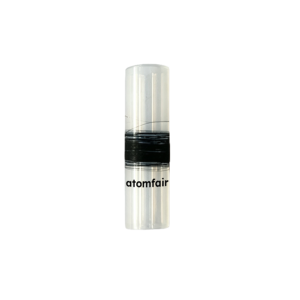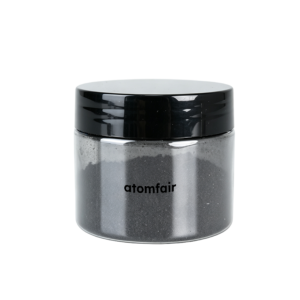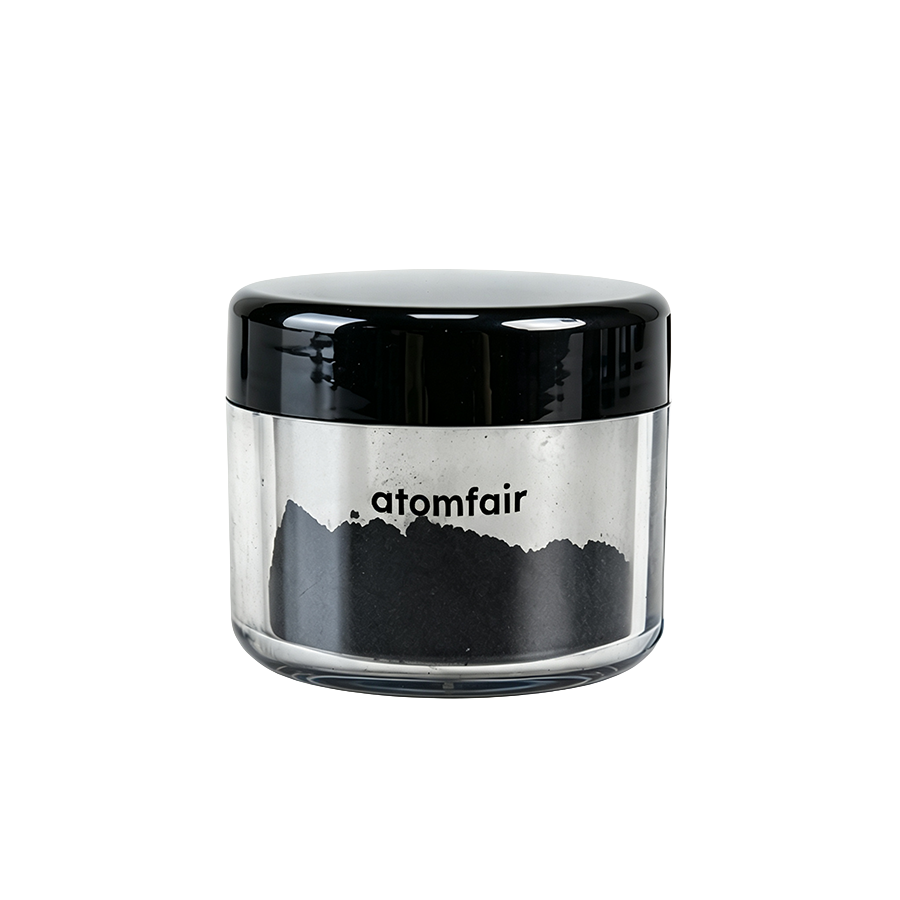
Ultrapure SWCNTs dispersion(XFS 16-1), ; 0.15 wt% content, OD 1-2 nmProduct Type: Single-walled carbon nanotube material
Research-grade laboratory product
|
|||||||||||||||||||||||||
|
|||||||||||||||||||||||||
|
LABORATORY PROCUREMENT SUPPORT
For model selection, material specification matching, application fit or quotation confirmation, contact our technical sales team.
E-MAIL: inquiry@atomfair.com
|
|||||||||||||||||||||||||
|
Supplier: Atomfair
Brand: ATOMFAIR®
|
Manufacturer: Atomfair LLC
Brand: ATOMFAIR®
How does the outer diameter range of 1-2 nm influence the electronic properties of these SWCNTs and is there any chirality control?
The outer diameter of 1-2 nm is typical for single-walled carbon nanotubes, resulting in a mixture of semiconducting and metallic chiralities. The product is specified as ultrapure with >95% purity, but no chirality enrichment is stated. For applications requiring enriched electronic type, the technical sales team can provide guidance on suitable alternatives.
Can this aqueous SWCNT dispersion be directly incorporated into organic solvent-based polymer matrices for nanocomposite fabrication?
The dispersion is formulated in deionized water/IPA with a non-ionic surfactant, making it optimized for aqueous systems. Direct incorporation into organic solvent-based polymers may cause aggregation or phase separation without prior solvent exchange or surfactant modification. The product description emphasizes confirming the solvent system and dispersion form before quotation to ensure compatibility.
What are the recommended handling and storage practices for this ultrapure SWCNT dispersion to maintain stability and safety?
The product is a research-grade aqueous dispersion containing non-ionic surfactant, which helps maintain nanotube suspension. Storage at room temperature away from freezing and sunlight is advisable, and the container should be sealed to prevent evaporation. As with all carbon nanomaterials, handling should follow institutional safety protocols including glove use and fume hood containment to avoid inhalation of dried residues.
This ultrapure SWCNT dispersion (XFS 16-1) at 0.15 wt% with outer diameter 1-2 nm and length 5-30 μm in a deionized water/IPA/non-ionic surfactant system offers a well-defined nanomaterial for conductive composite, electrode, or film research, but requires careful handling due to surfactant sensitivity and limited concentration range.
Positive
- High purity and narrow diameter distribution: With >95% purity and outer diameter of 1-2 nm, this dispersion provides consistent electronic properties for SWCNT-based device or composite fabrication.
- Aqueous dispersion with non-ionic surfactant: The deionized water/IPA solvent system with non-ionic surfactant enables stable dispersion for solution-processed coatings or ink formulations without aggressive organic solvents.
Trade-offs
- Surfactant may interfere with applications: The non-ionic surfactant required for dispersion stability can affect electrical conductivity or interfacial properties in final composites or films, requiring removal or compatibility testing.
- Low solid content limits processing flexibility: At only 0.15 wt% carbon nanotube content, achieving sufficient loading in composites or coatings may require concentration steps or large volumes, impacting workflow efficiency.
Every advanced material, component, equipment, and instrument in our catalog is backed by rigorous testing. We maintain strict internal quality management frameworks and align with CE conformity metrics to deliver transparent, reproducible performance data via our public open-science repository.
To request raw batch performance data, submit formal vendor registration paperwork, or execute a fast-turnaround R&D manufacturing loop, contact us at inquiry@atomfair.com.
Item is dispatched under the Atomfair Shipping & Delivery Framework (Free worldwide shipping on orders over $59 USD excl. heavy equipment). Return is governed by the Atomfair Return & Refund Policy (7-day technical return window).