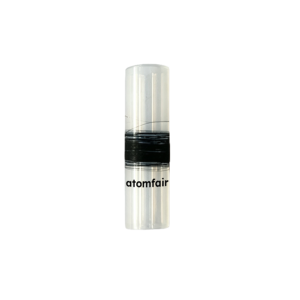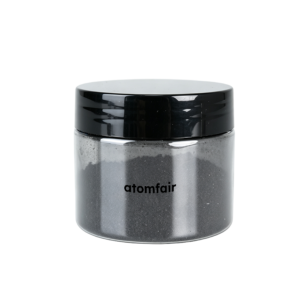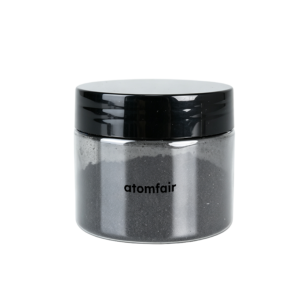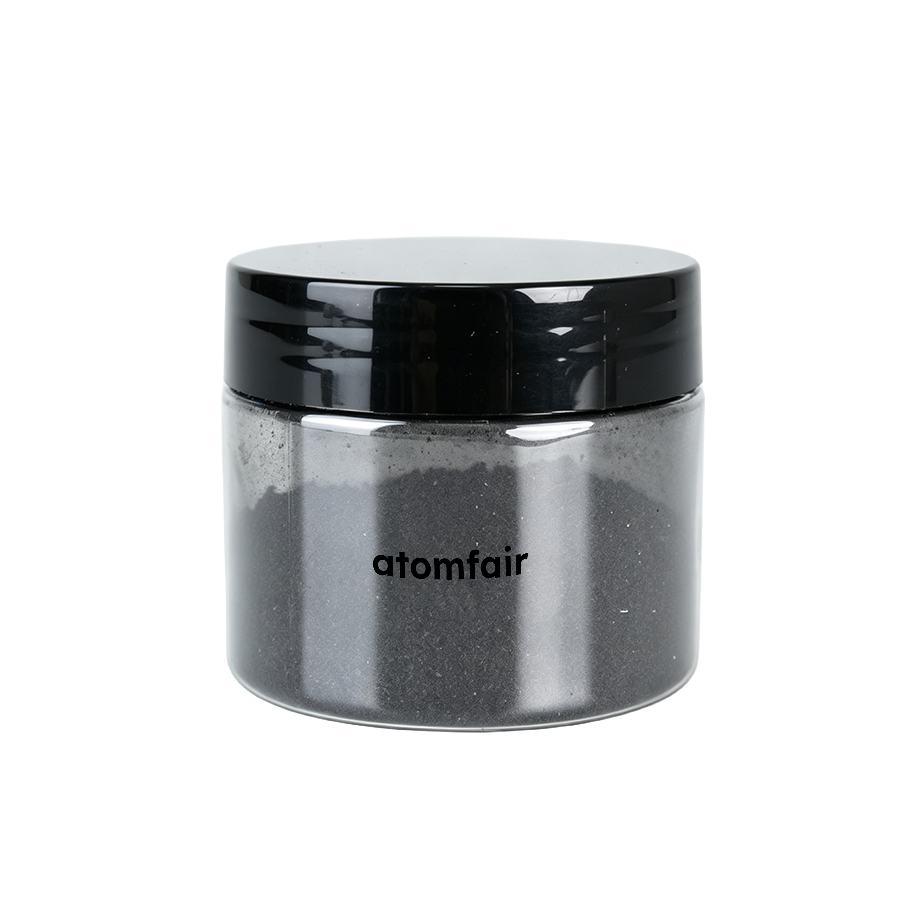
Carbon Solutions Single-walled Carbon Nanotubes, OD 2-10 nm, length 1-5um, purity 60-70%; Metal content wt% from TGAProduct Type: Single-walled carbon nanotube material
Research-grade laboratory product
|
|||||||||||||||||||||||
|
|||||||||||||||||||||||
|
LABORATORY PROCUREMENT SUPPORT
For model selection, material specification matching, application fit or quotation confirmation, contact our technical sales team.
E-MAIL: inquiry@atomfair.com
|
|||||||||||||||||||||||
|
Supplier: Atomfair
Brand: ATOMFAIR®
|
Manufacturer: Atomfair LLC
Brand: ATOMFAIR®
This material exhibits thermal sensitivity when exposed to air, with a maximum safe temperature of 30°C. Exceeding this temperature may lead to oxidation or degradation of the nanotube structure.
- Temperature Constraint: Maintain ambient temperature below 30°C when the material is in contact with air to prevent thermal degradation.
How does the bundled morphology (bundle diameter 2-10 nm, bundle length 1-5 µm) of these SWCNTs affect the dispersion efficiency compared to individually dispersed tubes?
The supplied SWCNTs are in bundled form with bundle diameters of 2-10 nm and lengths of 1-5 µm. This bundled morphology requires more aggressive dispersion techniques (e.g., sonication, surfactant use) to achieve individualized nanotubes compared to pre-dispersed products. The trade-off is that bundles are easier to handle and less prone to aerosolization, but may require longer processing times to achieve homogeneous dispersion in solvents or polymers.
What is the compatibility of these pristine SWCNTs with polar polymer matrices, and what functionalization options are available to improve integration?
The pristine SWCNTs (without specified functionalization) have limited compatibility with polar polymer matrices due to their hydrophobic nature. For optimal integration, surface modification (e.g., carboxylation, hydroxylation) is recommended to improve interfacial bonding. The source notes that functionalized grades (hydroxylated, carboxylated, amino-modified, etc.) are available for matching to specific workflows, indicating that this pristine grade may require additional treatment for polar matrices.
How does the residual metal catalyst content (determined by TGA) and the 'in air <30' parameter influence the safe handling and storage conditions of this SWCNT powder?
The metal content, determined by TGA, is not quantified but indicates residual catalyst. The 'in air <30' parameter likely corresponds to a thermal stability or residual ash threshold, suggesting limited weight loss or change in air. This implies that the material may be sensitive to high temperatures in air due to catalytic oxidation. Storage in a sealed, inert atmosphere is recommended to prevent moisture uptake and potential oxidation, especially if the metal content is high.
This single-walled carbon nanotube material (AF-NM-C-SWCN-S028-R00X) offers a bundle diameter of 2–10 nm and bundle length of 1–5 µm, with a carbonaceous purity of 60–70% and metal content determined by TGA. The moderate purity and residual metal content require careful consideration for applications sensitive to catalytic or electronic interference, such as high-precision electrode fabrication or biological assays.
Positive
- Controlled nanoscale dimensions: Bundle diameter of 2–10 nm and length of 1–5 µm provide a consistent aspect ratio suitable for dispersion, composite reinforcement, and thin-film electrode research.
- TGA-verified metal content: Metal content quantified by thermogravimetric analysis enables accurate assessment of residual catalyst, supporting reproducibility in conductivity and electrochemical studies.
Trade-offs
- Moderate carbonaceous purity: Purity of 60–70% indicates significant non-carbon content, which may introduce variability in electronic properties and require additional purification for high-sensitivity applications.
- Residual metal catalyst present: Metal content from TGA can affect catalytic activity and interfere with electrochemical measurements, necessitating careful workflow design or post-processing steps.
Every advanced material, component, equipment, and instrument in our catalog is backed by rigorous testing. We maintain strict internal quality management frameworks and align with CE conformity metrics to deliver transparent, reproducible performance data via our public open-science repository.
To request raw batch performance data, submit formal vendor registration paperwork, or execute a fast-turnaround R&D manufacturing loop, contact us at inquiry@atomfair.com.
Item is dispatched under the Atomfair Shipping & Delivery Framework (Free worldwide shipping on orders over $59 USD excl. heavy equipment). Return is governed by the Atomfair Return & Refund Policy (7-day technical return window).