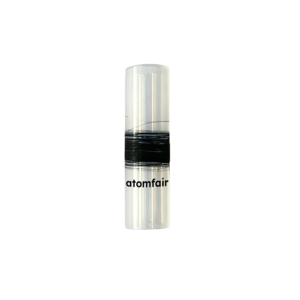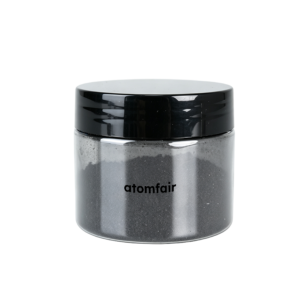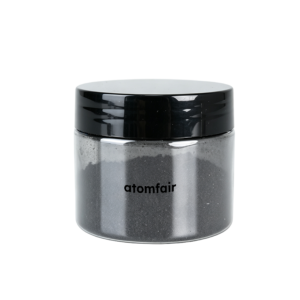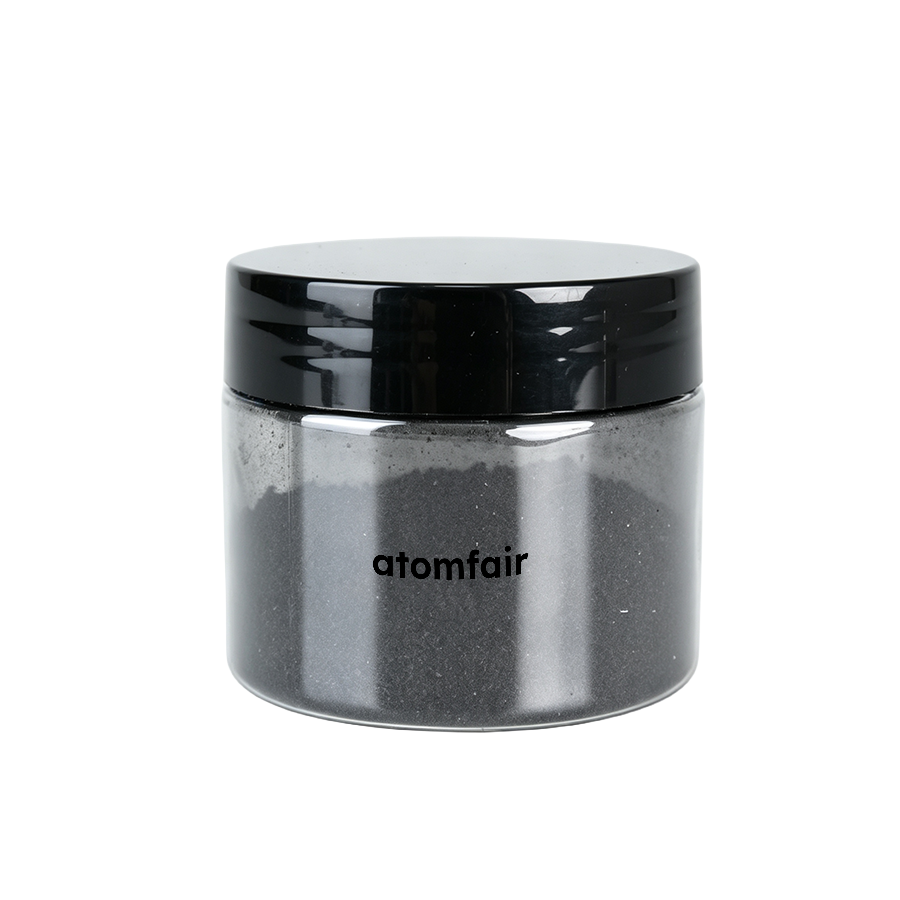
Carbon Solutions Single-walled Carbon Nanotubes, OD 2-10 nm, length 1-5um, purity 60-70%; Metal content wt% from TGAProduct Type: Single-walled carbon nanotube material
Research-grade laboratory product
|
|||||||||||||||||||||||
|
|||||||||||||||||||||||
|
LABORATORY PROCUREMENT SUPPORT
For model selection, material specification matching, application fit or quotation confirmation, contact our technical sales team.
E-MAIL: inquiry@atomfair.com
|
|||||||||||||||||||||||
|
Supplier: Atomfair
Brand: ATOMFAIR®
|
Manufacturer: Atomfair LLC
Brand: ATOMFAIR®
This single-walled carbon nanotube material must be selected based on its diameter, length, and purity to match the intended research workflow. The metal content and carbonaceous purity require verification to ensure compatibility with dispersion, composite, or electrode applications.
- Verify Bundle Dimensions: Confirm that the bundle diameter (2-10 nm) and length (1-5 µm) are appropriate for the target dispersion or composite formulation.
- Assess Purity Levels: Ensure the carbonaceous purity of 60-70% and metal content are suitable for the required electrical or catalytic performance.
- Match to Workflow: Select the material form and dimensional specifications to align with the specific dispersion, film, or electrode preparation protocol.
How does the 60-70% carbonaceous purity and metal content from TGA affect the performance of these single-walled carbon nanotubes in electronic and composite applications?
The carbonaceous purity of 60-70% and metal content determined by TGA indicate that the material contains up to 30-40% non-carbonaceous impurities, primarily metal catalyst residues. Higher metal content can enhance electrical conductivity but may also introduce catalytic activity and affect long-term stability in electronic devices. The product is supplied for research-grade applications where these trade-offs are acceptable.
What are the typical dispersion and processing considerations for integrating these SWCNTs (bundle diameter 2-10 nm, length 1-5 μm) into electrode or composite formulations?
The bundle dimensions of 2-10 nm diameter and 1-5 μm length are standard for single-walled carbon nanotubes. The density of 1.2-1.5 g/cm³ and powder form require appropriate dispersion techniques such as sonication or shear mixing in compatible solvents or polymer matrices. The source indicates the product is intended for dispersion, composite, film, electrode, and conductivity workflows but does not specify exact solvents.
What is the significance of the 'in air <30' parameter for the thermal stability and handling of these single-walled carbon nanotubes?
The 'in air' parameter is reported as <30 without unit. The source does not define its meaning, but it may relate to thermal stability in air or a stability metric. For accurate handling and storage recommendations, users should consult the manufacturer for safety data sheets and guidelines.
This single-walled carbon nanotube material (AF-NM-C-SWCN-S028-R00W) offers a bundle diameter of 2–10 nm and length of 1–5 μm, with a carbonaceous purity of 60–70% and metal content determined by TGA, making it suitable for dispersion, composite, electrode, and conductivity research workflows.
Positive
- Specified dimensional range for application matching: Bundle diameter of 2–10 nm and bundle length of 1–5 μm are explicitly stated, enabling direct comparison against dispersion, composite, or electrode requirements without additional characterization.
- Carbonaceous purity with metal content from TGA: Purity of 60–70% with metal content quantified via TGA provides a measurable baseline for assessing catalytic interference or conductivity in nanocarbon workflows.
Trade-offs
- Moderate purity limits application scope: Carbonaceous purity of 60–70% indicates significant amorphous carbon or residual catalyst content, which may require additional purification steps for high-sensitivity electronic or electrochemical experiments.
- Thermal stability constraint in air below 30°C: The specification 'in air: <30' suggests oxidative degradation or mass loss onset below 30°C, necessitating inert-atmosphere handling or storage to preserve material integrity during processing.
Every advanced material, component, equipment, and instrument in our catalog is backed by rigorous testing. We maintain strict internal quality management frameworks and align with CE conformity metrics to deliver transparent, reproducible performance data via our public open-science repository.
To request raw batch performance data, submit formal vendor registration paperwork, or execute a fast-turnaround R&D manufacturing loop, contact us at inquiry@atomfair.com.
Item is dispatched under the Atomfair Shipping & Delivery Framework (Free worldwide shipping on orders over $59 USD excl. heavy equipment). Return is governed by the Atomfair Return & Refund Policy (7-day technical return window).