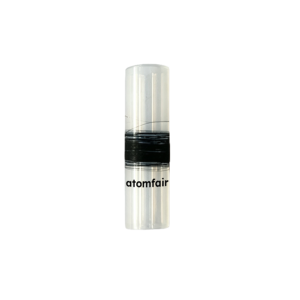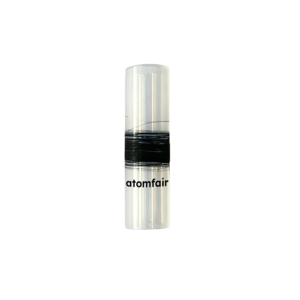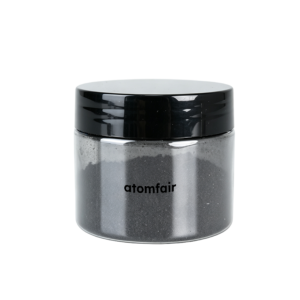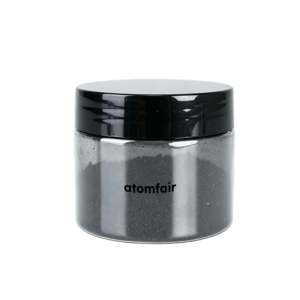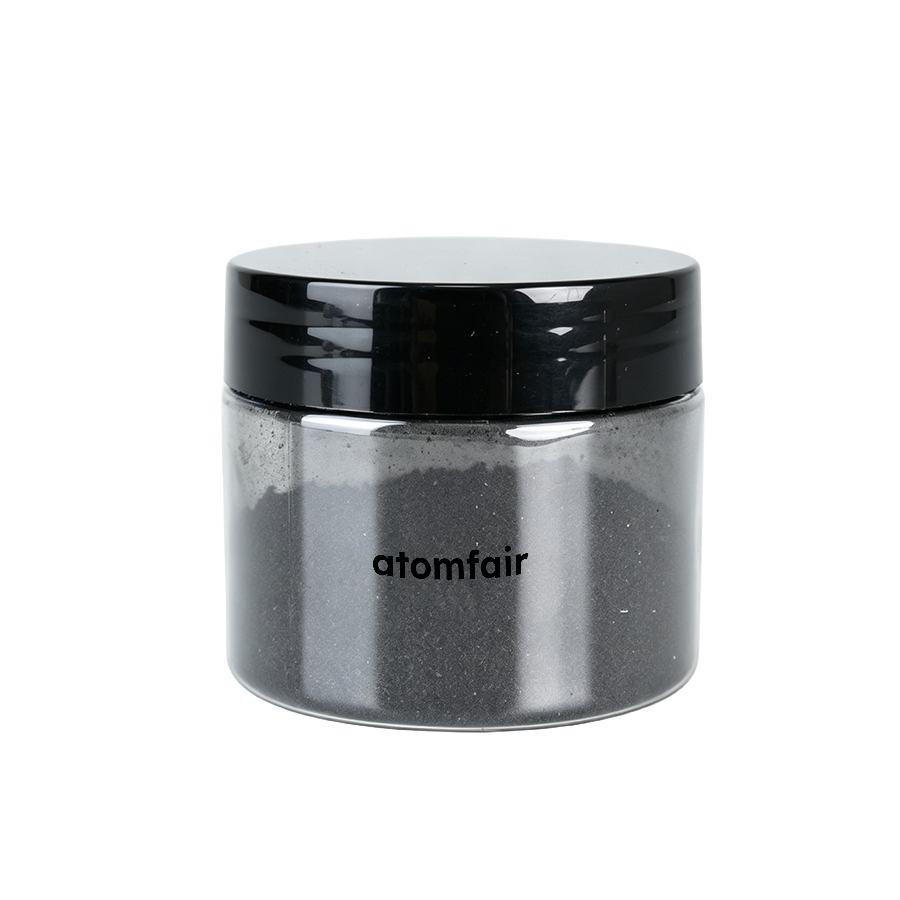
Single-walled carbon nanotubesfor thermoelectricity, OD 1-2 nm, length 5-30um, purity >95%Product Type: Single-walled carbon nanotube material
Research-grade laboratory product
|
|||||||||||||||||||
|
|||||||||||||||||||
|
LABORATORY PROCUREMENT SUPPORT
For model selection, material specification matching, application fit or quotation confirmation, contact our technical sales team.
E-MAIL: inquiry@atomfair.com
|
|||||||||||||||||||
|
Supplier: Atomfair
Brand: ATOMFAIR®
|
Manufacturer: Atomfair LLC
Brand: ATOMFAIR®
This single-walled carbon nanotube material is supplied as a dry powder with high aspect ratio and surface area. Ambient storage in sealed, anti-static containers is recommended to prevent electrostatic charging and airborne contamination.
- Electrostatic Risk: The dry nanotube powder may accumulate electrostatic charge during handling, requiring anti-static packaging and grounded work surfaces.
- Respiratory Protection: Fine carbon nanotube powders may become airborne during transfer, mandating the use of appropriate respiratory protection and fume extraction.
Required Equipment:
How does the outer diameter range of 1-2 nm affect the thermoelectric performance of these single-walled carbon nanotubes?
The outer diameter range of 1-2 nm is typical for single-walled carbon nanotubes used in thermoelectric studies. The >95% purity ensures minimal impurity scattering. However, the specific thermoelectric performance (e.g., Seebeck coefficient, electrical conductivity) is not provided in the specification and would depend on the exact diameter distribution within the range.
What are the key considerations for integrating these single-walled carbon nanotubes into polymer composites for thermoelectric applications?
The product is supplied as pristine single-walled carbon nanotubes with OD 1-2 nm, length 5-30 µm, and purity >95%. For composite integration, functionalization (e.g., hydroxyl, carboxyl, amino groups) may be required to enhance dispersion and compatibility with the polymer matrix, as noted in the product selection notes. The diameter and length ranges are suitable for forming percolation networks, but the optimal loading and processing conditions must be determined experimentally.
What laboratory infrastructure is needed to process and characterize these single-walled carbon nanotubes?
The product is a dry powder. Typical processing involves dispersion in solvents using techniques such as ultrasonication, as suggested by the product notes on dispersion workflows. Characterization of the dimensional specifications (1-2 nm OD, 5-30 µm length) would require appropriate microscopy or spectroscopy methods available in a standard materials research laboratory.
This single-walled carbon nanotube material (OD 1-2 nm, length 5-30 µm, purity >95%) is evaluated for thermoelectric applications, where its narrow diameter distribution and high purity support consistent electronic properties in composite or film formulations, though the broad length range introduces variability in percolation network formation and requires careful dispersion optimization.
Positive
- High purity for consistent performance: Purity >95% minimizes amorphous carbon and catalyst residue, reducing defect scattering in thermoelectric transport and improving reproducibility across batches.
- Narrow diameter range for bandgap tuning: Outer diameter of 1-2 nm provides a relatively narrow distribution, enabling predictable electronic band structure and Seebeck coefficient optimization in thermoelectric composites.
Trade-offs
- Broad length distribution affects dispersion: Length range of 5-30 µm introduces significant aspect ratio variability, requiring tailored sonication or surfactant protocols to achieve uniform dispersion and consistent percolation thresholds.
- Pristine form requires functionalization for compatibility: As-supplied pristine nanotubes lack surface functional groups, necessitating additional covalent or non-covalent modification steps for stable integration into polymer or solvent-based thermoelectric films.
Every advanced material, component, equipment, and instrument in our catalog is backed by rigorous testing. We maintain strict internal quality management frameworks and align with CE conformity metrics to deliver transparent, reproducible performance data via our public open-science repository.
To request raw batch performance data, submit formal vendor registration paperwork, or execute a fast-turnaround R&D manufacturing loop, contact us at inquiry@atomfair.com.
Item is dispatched under the Atomfair Shipping & Delivery Framework (Free worldwide shipping on orders over $59 USD excl. heavy equipment). Return is governed by the Atomfair Return & Refund Policy (7-day technical return window).