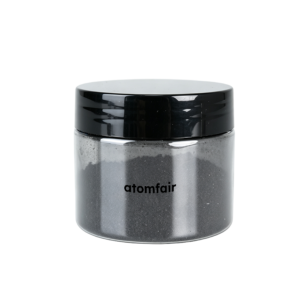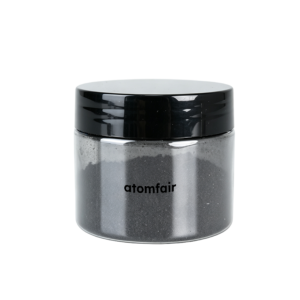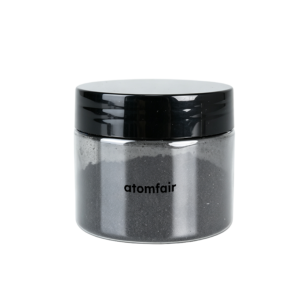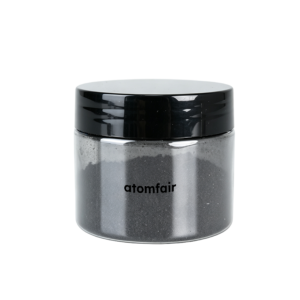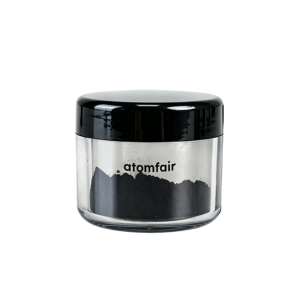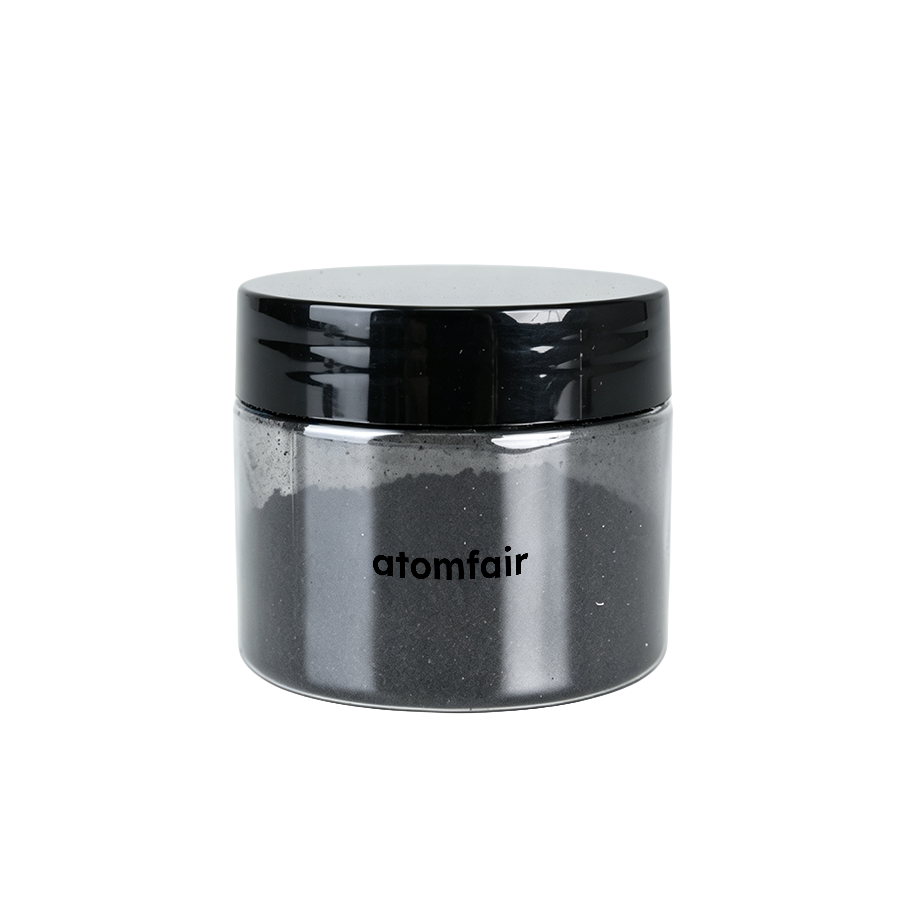
High Purified Single-walled carbon nanotubes, OD 1-2 nm(TEM), length 10-30um(SEM)Product Type: Single-walled carbon nanotube material
Research-grade laboratory product
|
|||||||||||||||||||||||||
|
|||||||||||||||||||||||||
|
LABORATORY PROCUREMENT SUPPORT
For model selection, material specification matching, application fit or quotation confirmation, contact our technical sales team.
E-MAIL: inquiry@atomfair.com
|
|||||||||||||||||||||||||
|
Supplier: Atomfair
Brand: ATOMFAIR®
|
Manufacturer: Atomfair LLC
Brand: ATOMFAIR®
What is the significance of the specific surface area range of 600–700 m²/g (BET) for these SWCNTs in catalyst support applications?
The specific surface area of 600–700 m²/g (BET) indicates a high available surface for active site deposition, making this grade suitable for catalyst support formulations. The product is intended for nanocarbon research workflows where surface area influences dispersion and reactivity.
What dimensional constraints should be considered when using these SWCNTs (1–2 nm diameter, 10–30 µm length) for reinforcement in structural composites?
The diameter (1–2 nm) and length (10–30 µm) provide a high aspect ratio (>5000) necessary for efficient load transfer in composites. The product's purity (>99 at.%) and surface area (600–700 m²/g) also affect the interfacial bonding and dispersion uniformity, as noted in the product's selection notes for composite workflows.
What is the recommended method for verifying the quality of these SWCNTs upon receipt?
The product specification includes purity verified by EDS (>99 at.%), diameter by TEM (1–2 nm), length by SEM (10–30 µm), and surface area by BET (600–700 m²/g). These parameters should be cross-checked against the provided certificate of analysis or by performing TEM, SEM, BET, and EDS measurements to confirm the grade matches the intended experimental workflow.
This high-purity single-walled carbon nanotube material (AF-SWCNT-S161) offers a narrow diameter distribution of 1-2 nm and a high specific surface area of 600-700 m²/g, making it suitable for dispersion, composite, and electrode research. The floating catalyst synthesis method and black flocculent morphology require careful handling to avoid airborne contamination and ensure uniform dispersion in solvents or matrices.
Positive
- High purity and surface area: Purity >99 at.% (EDS) and specific surface area of 600-700 m²/g (BET) provide a clean, high-surface-area platform for consistent functionalization, dispersion, and composite integration.
- Narrow diameter and long aspect ratio: Outer diameter of 1-2 nm (TEM) with length of 10-30 µm (SEM) yields a high aspect ratio, beneficial for percolation networks in conductive films and electrode formulations.
Trade-offs
- Floating catalyst residue risk: The floating catalyst synthesis method may introduce residual catalyst particles or amorphous carbon, requiring additional purification or characterization steps for sensitive electronic or biomedical applications.
- Handling and dispersion challenges: Black flocculent morphology and high surface area make the powder prone to electrostatic charging and airborne dispersion; controlled environment and sonication protocols are needed to achieve uniform dispersions without aggregation.
Every advanced material, component, equipment, and instrument in our catalog is backed by rigorous testing. We maintain strict internal quality management frameworks and align with CE conformity metrics to deliver transparent, reproducible performance data via our public open-science repository.
To request raw batch performance data, submit formal vendor registration paperwork, or execute a fast-turnaround R&D manufacturing loop, contact us at inquiry@atomfair.com.
Item is dispatched under the Atomfair Shipping & Delivery Framework (Free worldwide shipping on orders over $59 USD excl. heavy equipment). Return is governed by the Atomfair Return & Refund Policy (7-day technical return window).