Description
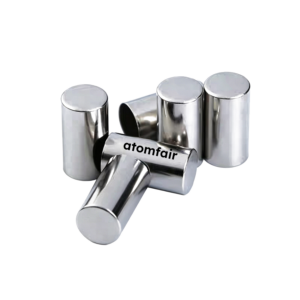
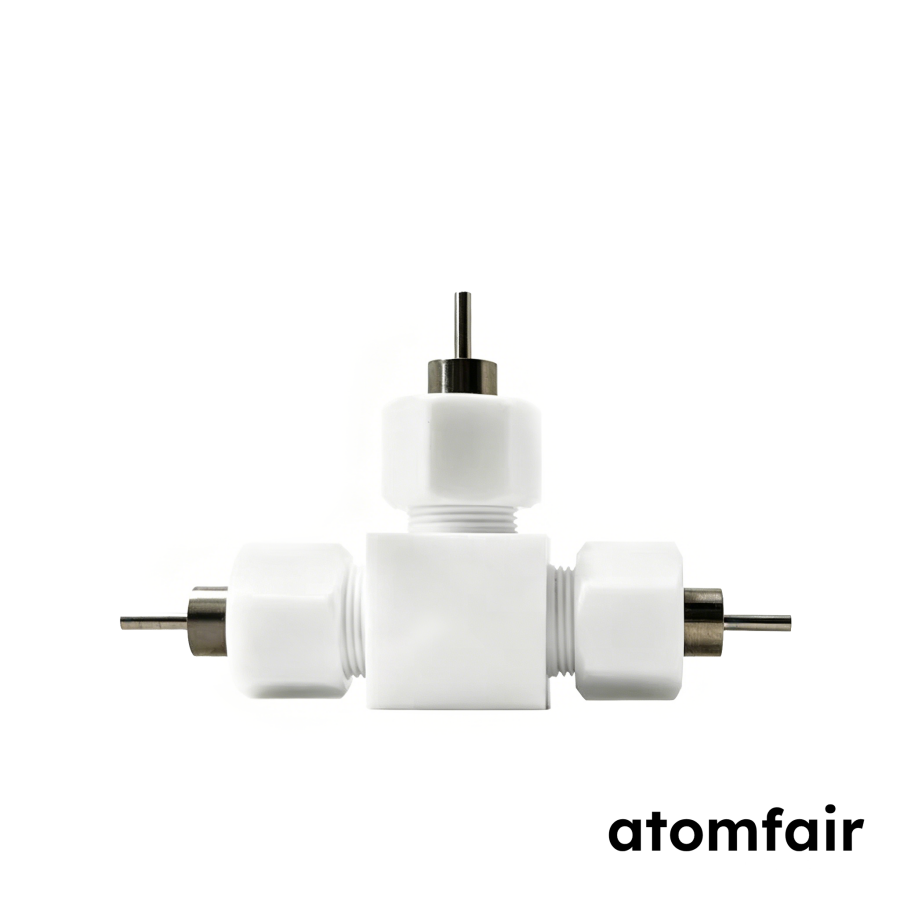
ATOMFAIR® SWAGELOK THREE-ELECTRODE TESTING CELL (HIGH-PURITY MOLYBDENUM)RESEARCH GRADE MATERIAL
|
|||||||||||||||||||||||
|
|||||||||||||||||||||||
|
TAILORED SOLUTIONS FOR RESEARCH
Contact our engineering team for technical support or official quotations.
EMAIL: inquiry@atomfair.com
|
|||||||||||||||||||||||
|
Manufacturer: Atomfair LLC
Brand: ATOMFAIR®
|
The cell must be stored in a cool, dry environment to prevent corrosion and maintain performance. Proper assembly of Swagelok fittings ensures secure electrical connections and chemical containment.
- Storage Condition: Store in a cool, dry location when not in use.
How does the compact stainless steel design of the Swagelok three-electrode cell influence temperature stability during long-term cycling experiments?
The compact stainless steel body provides good thermal conductivity, which helps dissipate heat but offers no active temperature control; researchers must rely on external chambers or baths. The simple, easy-to-assemble design ensures consistent electrode positioning, which reduces variability and supports reliable long-term data acquisition for battery research.
Can the Swagelok three-electrode testing cell be adapted for use with semi-solid or flow battery electrolytes?
The cell is designed for standard liquid electrolyte battery chemistries such as lithium-ion and other advanced technologies. Its versatile configuration accommodates a wide range of electrodes, but it is not explicitly rated for high-viscosity or flowing electrolytes, limiting its direct application in semi-solid or flow battery studies.
What cleaning and storage procedures are recommended to prevent cross-contamination between experiments with the Swagelok cell?
The stainless steel body can be cleaned with common laboratory solvents, and the easy-to-assemble design facilitates thorough disassembly for cleaning. After use, store the cell in a cool, dry location and dispose of any hazardous materials according to local regulations to maintain the integrity of subsequent experiments.
This Swagelok three-electrode testing cell with high-purity molybdenum offers robust stainless steel construction and reliable Swagelok connections for accurate electrochemical measurements in battery R&D, but requires careful storage and hazardous material disposal.
Positive
- Corrosion-resistant stainless steel body: High-quality stainless steel construction ensures durability and resistance to corrosive electrolytes, extending service life in repeated testing cycles.
- Secure Swagelok electrical connections: Reliable Swagelok fittings provide stable and leak-free electrical contacts, minimizing signal noise and ensuring reproducible electrochemical data.
Trade-offs
- Hazardous material disposal required: Used cells and electrolyte residues must be disposed of according to local hazardous waste regulations, adding operational overhead and compliance costs.
- Controlled storage environment needed: Storage in a cool, dry location is specified to prevent seal degradation or corrosion, limiting placement options and requiring climate-controlled laboratory conditions.
Every advanced material, component, equipment, and instrument in our catalog is backed by rigorous testing. We maintain strict internal quality management frameworks and align with CE conformity metrics to deliver transparent, reproducible performance data via our public open-science repository.
To request raw batch performance data, submit formal vendor registration paperwork, or execute a fast-turnaround R&D manufacturing loop, contact us at inquiry@atomfair.com.
Item is dispatched under the Atomfair Shipping & Delivery Framework (Free worldwide shipping on orders over $59 USD). Return is governed by the Atomfair Return & Refund Policy (7-day technical return window).