Description
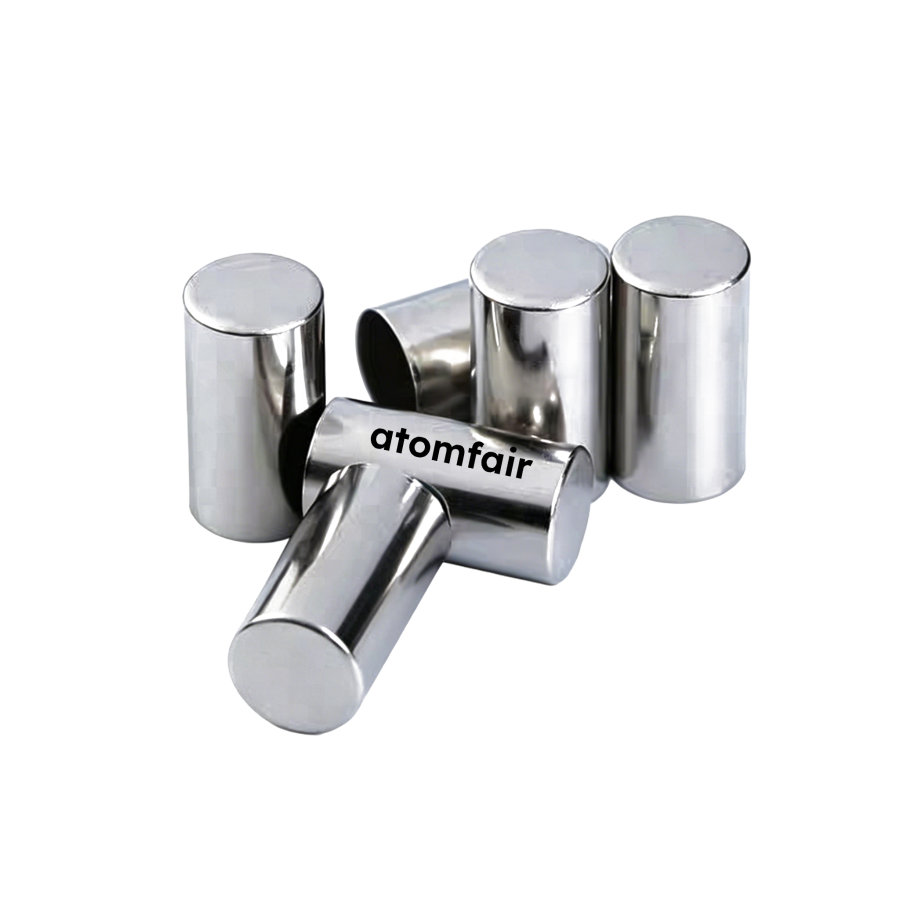
ATOMFAIR® 18650 CYLINDRICAL CELL CAN ASSEMBLY 100 SETSRESEARCH & PRODUCTION GRADE
|
||||||||||||||||||||||||||||||||||||||||||||||||||||||||||||||
|
The case kit is designed exclusively for standard 18650 flat-top bare cells without integrated PCB protection boards. Proper sealing and pressure relief thresholds between 0.9-2.5 MPa must be respected to ensure safe operation.
- Cell Compatibility: Only standard 18650 cylindrical bare cells with flat-top terminals and no PCB protection boards are compatible with this case kit.
- Pressure Relief Thresholds: The integrated current disconnect pressure is 0.9-1.4 MPa and the bursting vent pressure is 1.8-2.5 MPa; these limits must not be exceeded during cell operation.
- PPTC Over-Current Protection Limits: For the PPTC variant, the maximum operating voltage is 15V, maximum current is 40A, and the trip current is 6.0A with a trip time under 8 seconds at 10A.
- Sealing Process Requirement: The kit includes a uniform double-sided adhesive ring that must be properly aligned to achieve a hermetic seal between the case and cap.
- Tab Pre-Welding: The aluminum tabs (15x3x0.15mm) are pre-welded to the assembly, eliminating the need for additional tab welding during cell packaging.
This procedure describes the assembly of a standard 18650 bare cell into the ATOMFAIR case with pre-welded tabs and adhesive sealing. Follow the steps to ensure proper electrical contact and hermetic seal.
Required Equipment: ATOMFAIR 18650 Battery Case with pre-welded tabs, Cap variant (PPTC or 18#Z Power-Type), Double-sided adhesive ring
- Inspect Components
Inspect the battery case, cap, and adhesive ring for any visible defects or contamination before assembly. - Insert Bare Cell
Insert a standard 18650 flat-top bare cell into the case with the positive terminal facing the cap end. - Align Pre-Welded Tabs
Verify that the pre-welded aluminum tabs make proper contact with the cell terminals; adjust if necessary. - Apply Adhesive Ring
Apply the double-sided adhesive ring evenly around the rim of the case to prepare for cap sealing. - Seal the Cap
Press the cap firmly onto the case, ensuring uniform pressure to create a hermetic seal. - Verify Assembly Integrity
Measure the total internal resistance to confirm proper electrical connection and seal integrity.
What is the internal resistance trade-off between the PPTC and 18#Z power-type cap variants for high-rate charge-discharge cycling?
The PPTC variant introduces a higher internal resistance of 12–20 mΩ due to its over-current protection element, while the 18#Z power-type variant achieves an ultra-low ≤0.5 mΩ by eliminating the PTC. For high-rate cycling applications requiring minimal impedance, the 18#Z power-type is mandatory; the PPTC cap is only suitable when over-current protection at the cost of increased resistance is acceptable.
Are commercially available 18650 cells with protection PCBs compatible with these battery case kits?
No, these case kits are explicitly designed for standard 18650 cylindrical bare cells that are flat-top without PCB protection boards. The cap assembly integrates directly onto the bare cell terminal, and a pre-attached PCB would interfere with the mechanical fit and electrical contact geometry.
What are the recommended storage conditions to maintain weld integrity and prevent corrosion of the nickel-plated steel cases after opening the vacuum seal?
Store the components at 0–35°C and ≤75% relative humidity, away from open flames and corrosive gases. Once the vacuum-sealed bag is broken, immediate usage is highly recommended because ambient humidity can compromise the integrity of the pre-welded aluminum tabs and promote corrosion on the nickel-plated steel substrate.
This 18650 battery case kit delivers a complete, ready-to-assemble ecosystem featuring Japanese nickel-plated steel cases and pre-welded aluminum tabs, with dual cap variants for either PPTC over-current protection or ultra-low resistance power-type applications. However, the vacuum-sealed components demand strict storage conditions (0-35°C, ≤75% RH) and immediate use after opening to preserve welding integrity, and the kit is limited to flat-top bare cells without PCB protection.
Positive
- Integrated anti-explosion pressure relief: Precision-engineered aluminum burst disc fractures along a predetermined trace at 1.8-2.5 MPa, combined with a current disconnect at 0.9-1.4 MPa, eliminating thermal runaway risks during cell overpressure events.
- Pre-welded aluminum tabs for rapid assembly: 15x3x0.15mm pure aluminum tabs are pre-attached via industrial spot welding, bypassing manual tab cutting and alignment steps, which accelerates glovebox assembly and improves reproducibility in cell prototyping.
Trade-offs
- Strict storage and humidity sensitivity: Kit must be stored at 0-35°C and ≤75% RH; once the vacuum seal is broken, immediate usage is strongly recommended to protect the welding integrity of pre-attached tabs from ambient humidity degradation.
- Limited to flat-top bare cells only: Cases accept standard 18650 cylindrical bare cells without PCB protection boards; cells with integrated protection circuits or button-top terminals are not compatible, restricting the range of usable electrodes.
Every advanced material, component, equipment, and instrument in our catalog is backed by rigorous testing. We maintain strict internal quality management frameworks and align with CE conformity metrics to deliver transparent, reproducible performance data via our public open-science repository.
To request raw batch performance data, submit formal vendor registration paperwork, or execute a fast-turnaround R&D manufacturing loop, contact us at inquiry@atomfair.com.
Item is dispatched under the Atomfair Shipping & Delivery Framework (Free worldwide shipping on orders over $59 USD). Return is governed by the Atomfair Return & Refund Policy (7-day technical return window).