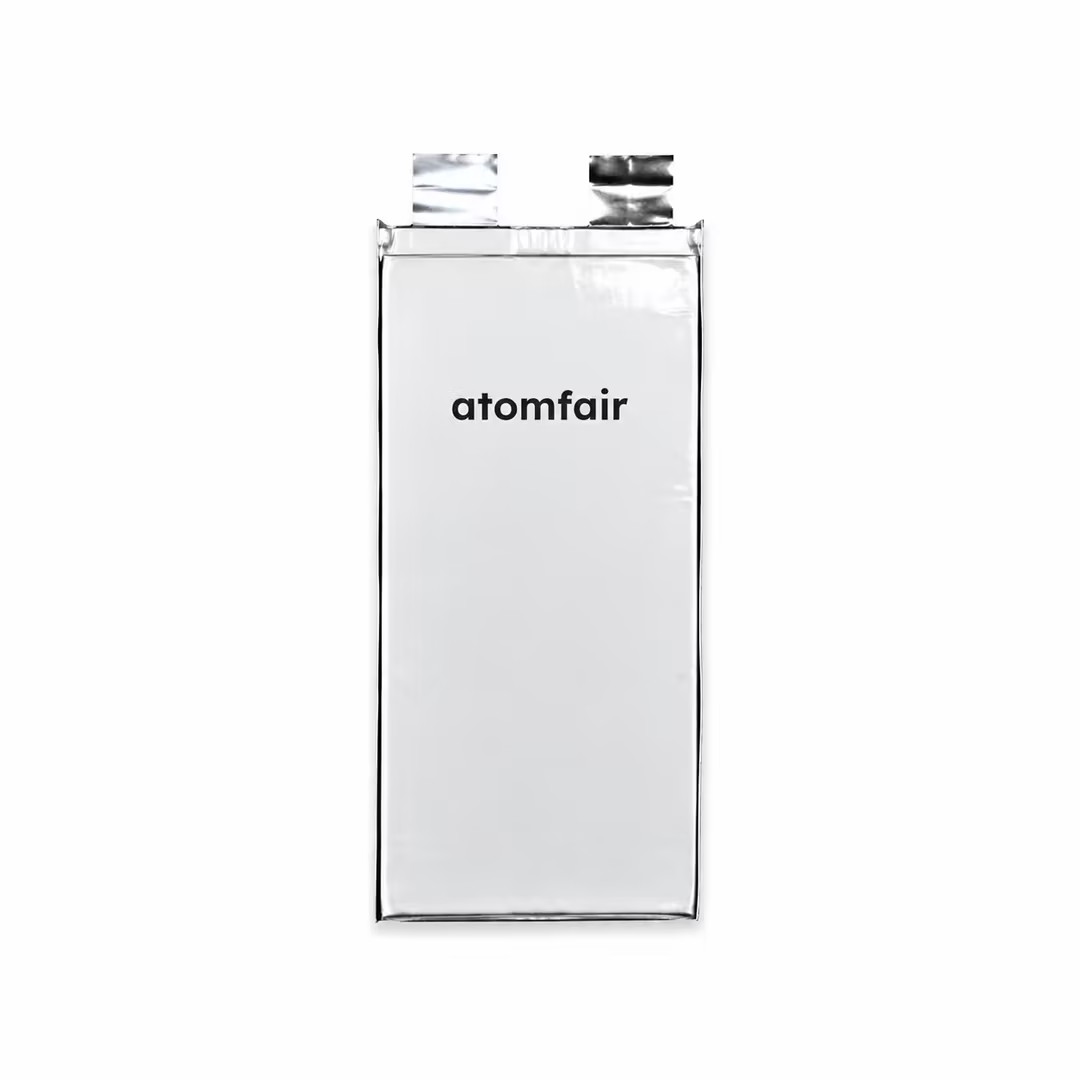
Description
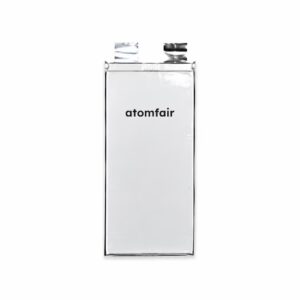
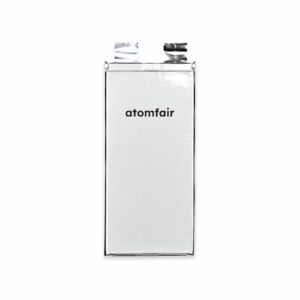
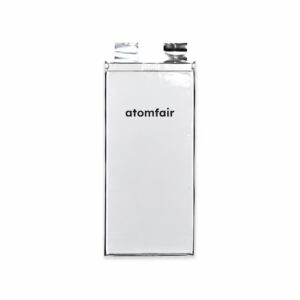
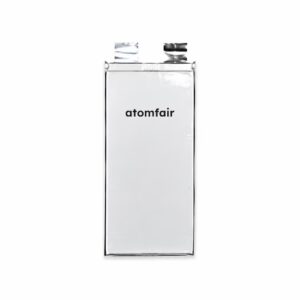
ES01 Aerospace Solid-State Cells (Heavy Motive Power Series) | ATOMFAIRCOMMERCIAL GRADE · PRODUCTION
|
|||||||||||||||||||||||||||||||
|
|||||||||||||||||||||||||||||||
|
TAILORED SOLUTIONS FOR RESEARCH
Contact our engineering team for technical support or official institutional quotations.
EMAIL: INQUIRY@ATOMFAIR.COM
|
|||||||||||||||||||||||||||||||
|
MANUFACTURER: ATOMFAIR LLC
BRAND: ATOMFAIR®
|
|||||||||||||||||||||||||||||||
This solid-state cell requires a controlled compression fixture to maintain layer consolidation and prevent delamination. Voltage must be managed within recommended thresholds using a compatible management card to avoid over-discharge or thermal runaway.
- Compression Requirement: Maintain uniform external pressure using a rigid compression fixture plate array throughout the cell's service life.
- Voltage Management: Configure voltage strictly within the recommended thresholds to prevent over-discharge or over-voltage conditions.
- Monitoring Requirement: Integrate an aerospace-grade battery management card for real-time state of charge and temperature monitoring.
- Thermal Operation: Operate the cell only within the ambient temperature range of -40°C to 60°C.
- Discharge Rate Limit: Limit continuous discharge to the validated rate and ensure pulse loads do not raise surface temperature above 45°C.
These steps ensure safe initial setup and integration of the solid-state cell into a pack. Proper compression and monitoring are critical to maintain performance and prevent damage.
Required Equipment: Rigid compression fixture plate array, Aerospace-grade battery management card
- Inspect
Inspect the cell for any physical damage or contamination before handling. - Mount in fixture
Place the cell into a rigid compression fixture plate array, applying uniform pressure across the pouch surfaces. - Connect management card
Connect the cell terminals to an aerospace-grade battery management card for monitoring and control. - Configure voltage limits
Set the management card's voltage limits to the manufacturer's recommended thresholds to prevent over-discharge. - Verify temperature
Verify the ambient temperature is within the -40°C to 60°C range before activating the cell.
What is the trade-off between nominal capacity and maximum continuous discharge rate for the ES01 aerospace solid-state cells?
The 52 Ah variant supports a 5C continuous discharge, while the 100 Ah variant supports 4C, both validated at ≥93% SOC. This trade-off allows higher energy capacity at the expense of a slightly lower sustained C-rate, though both maintain an internal AC resistance ≤0.7 mΩ.
What mechanical and electrical integration constraints must be addressed when using these large-format solid-state pouch cells in an eVTOL airframe?
The cells require a uniform, controlled external pressure boundary achieved via a rigid compression fixture plate array inside the battery pack chassis. Voltage configurations must be strictly within recommended thresholds, and an aerospace-grade management card optimized for high-drain SOC monitoring is necessary.
What are the operational temperature limits and thermal management requirements for the ES01 heavy motive power series?
The cells operate continuously from -40°C to +60°C ambient discharge window. Despite a high 8C transient pulse load, internal thermal polarization is suppressed below 45°C. For extreme cold, the solid-state chemistry outperforms traditional lithium blocks, but the pouch architecture still demands external pressure control to maintain layer consolidation.
The ES01 Aerospace Solid-State Cells deliver 310 Wh/kg for weight-critical aerospace applications, operating from -40°C to 60°C, but require rigid compression fixturing for layer consolidation and have capacity-dependent discharge rate limits.
Positive
- Pinnacle Specific Energy Matrix: Industry-leading 310 Wh/kg single-cell configuration expands continuous mission flight runtime for heavy airframe platforms.
- Extreme Climatic Resilience: Unlocks secure energy dissipation loops down to -40°C and up to 60°C, outperforming traditional liquid lithium blocks in high-altitude environments.
Trade-offs
- Requires External Compression Fixturing: Solid-state large-format pouch architectures require a uniform, controlled external pressure boundary to maintain perfect physical layer consolidation; cells must be secured within a rigid compression fixture plate array.
- Capacity-Dependent Discharge Rate Limit: Maximum continuous discharge rate varies with capacity: 52 Ah variant supports 5C, while 100 Ah variant supports only 4C (both validated at ≥93% SOC), affecting high-power application suitability for the larger cell.
Every advanced material, component, equipment, and instrument in our catalog is backed by rigorous testing. We maintain strict internal quality management frameworks and align with CE conformity metrics to deliver transparent, reproducible performance data via our public open-science repository.
To request raw batch performance data, submit formal vendor registration paperwork, or execute a fast-turnaround R&D manufacturing loop, contact us at inquiry@atomfair.com.
Item is dispatched under the Atomfair Shipping & Delivery Framework (Free worldwide shipping on orders over $59 USD excl. heavy equipment). Return is governed by the Atomfair Return & Refund Policy (7-day technical return window).