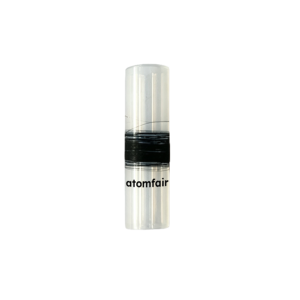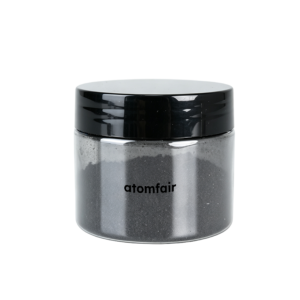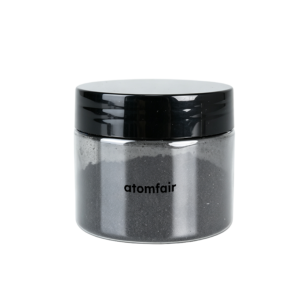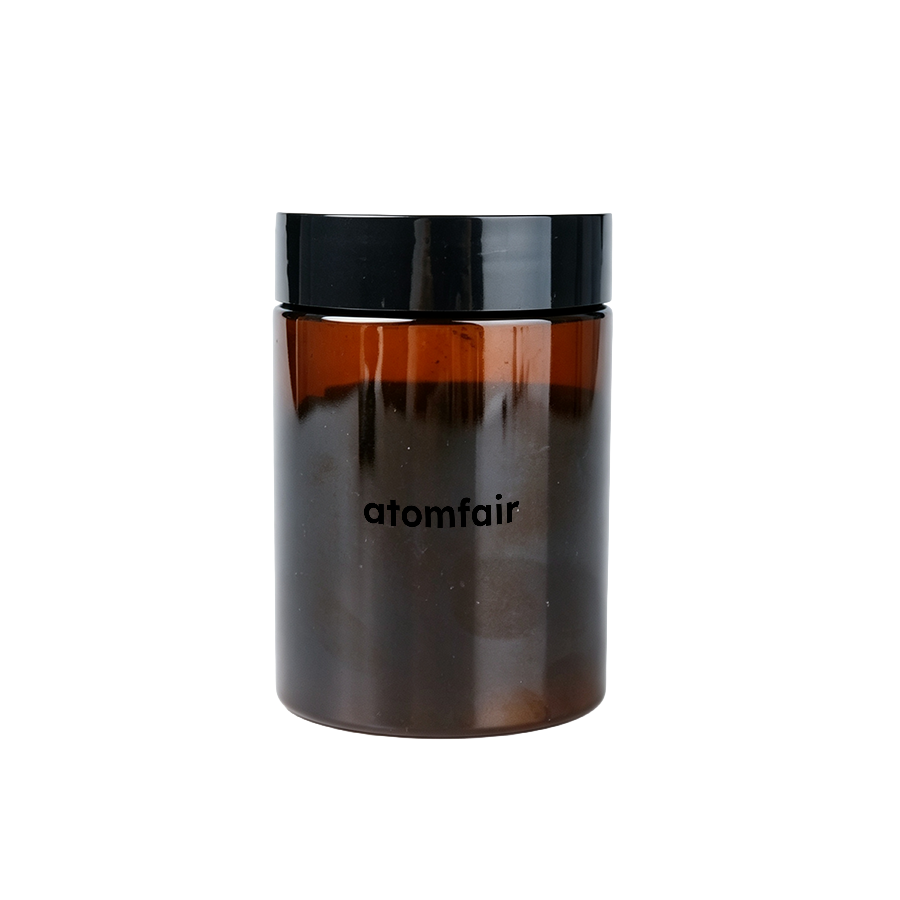
Ni Coated Multi-walled carbon nanotubes, OD 20-30 nm,, length 10-30umProduct Type: Multi-walled carbon nanotube material
Research-grade laboratory product
|
|||||||||||||||||||||
|
|||||||||||||||||||||
|
LABORATORY PROCUREMENT SUPPORT
For model selection, material specification matching, application fit or quotation confirmation, contact our technical sales team.
E-MAIL: inquiry@atomfair.com
|
|||||||||||||||||||||
|
Supplier: Atomfair
Brand: ATOMFAIR®
|
Manufacturer: Atomfair LLC
Brand: ATOMFAIR®
This material contains nickel-coated carbon nanotubes with a nickel content exceeding 60%, presenting potential inhalation and dermal exposure hazards. Storage must be in sealed, non-reactive containers under dry, ambient conditions to prevent moisture uptake and oxidation of the nickel coating.
- Inhalation Hazard: Nanoparticulate nickel and carbon nanotubes may cause respiratory irritation upon aerosolization and require handling in a fume hood or glovebox.
- Moisture Sensitivity: The nickel coating is susceptible to oxidation in humid environments, necessitating storage under inert gas or desiccated conditions.
- Containment Requirement: Containers must remain sealed when not in use to prevent airborne dispersion and cross-contamination of the nanomaterial.
This procedure outlines the safe transfer and initial dispersion of nickel-coated multi-walled carbon nanotubes for laboratory use. Proper containment and ventilation are critical to minimize inhalation risk and maintain material integrity.
Required Equipment: Chemical fume hood or glovebox, Antistatic spatula, Sealable glass vial or container
- Prepare workspace
Verify that the fume hood or glovebox is operational and that all surfaces are clean and free of combustible materials. - Open container safely
Slowly open the sealed container inside the hood to equalize pressure and prevent aerosol release. - Transfer powder
Use an antistatic spatula to transfer the required amount of Ni-coated MWCNTs directly into a pre-weighed, sealable vial. - Reseal and store
Immediately reseal the original container and the working vial to minimize exposure to ambient moisture.
What is the trade-off between nickel content and carbon nanotube purity in Ni-coated MWCNTs?
The Ni-coated MWCNTs specified have Ni content >60% and CNTs >38%, indicating a high metal loading relative to the carbon nanotube core. This trade-off may reduce the intrinsic electrical conductivity and surface area of the CNTs while enhancing catalytic or magnetic properties from the nickel coating. The source does not provide quantitative conductivity or surface area data, so the exact performance impact must be evaluated for the intended application.
Can Ni-coated multi-walled carbon nanotubes be directly dispersed in common solvents for composite or electrode fabrication?
The product is supplied as a powder with outer diameter 20-30 nm and length 10-30 μm, but the source does not specify surface functionalization or dispersibility in aqueous or organic solvents. The selection notes indicate that the material form should be matched to the intended dispersion, composite, film, or electrode workflow. Users may need to develop or optimize dispersion protocols, and the manufacturer offers coated grades that can be matched to specific application requirements.
What storage and handling precautions are required for research-grade Ni-coated multi-walled carbon nanotubes?
The source does not provide explicit safety or storage instructions, but as a research-grade nanomaterial with nickel coating, standard precautions for airborne nanomaterials apply: avoid inhalation, use local exhaust ventilation or fume hoods, and store in a dry, sealed container away from heat. The manufacturer recommends confirming bulk quantity requirements with technical sales, implying that specialized handling may be needed for larger volumes. Users should consult institutional safety guidelines for nickel-containing nanomaterials.
This Ni-coated multi-walled carbon nanotube material (OD 20-30 nm, length 10-30 µm) provides a nickel content >60% with CNT content >38%, offering a conductive, magnetic composite filler for electrode and EMI shielding applications, but requires careful handling due to the high metal loading and potential for agglomeration in dispersion workflows.
Positive
- High nickel content for magnetic/conductive composites: Ni content >60% provides significant magnetic and electrical conductivity enhancement, suitable for electrode formulations, EMI shielding, and catalytic support applications where metal-coated CNTs are required.
- Controlled nanotube geometry for reproducibility: Outer diameter of 20-30 nm and length of 10-30 µm enable consistent dispersion behavior and predictable percolation thresholds in polymer or solvent-based composite systems.
Trade-offs
- High metal content may affect dispersion stability: The >60% Ni coating increases density and may promote sedimentation or agglomeration in low-viscosity solvents, requiring optimized sonication or surfactant-assisted dispersion protocols.
- Bulk quantity confirmation required before ordering: Procurement note indicates that bulk quantity requirements must be confirmed with the supplier, introducing a potential lead-time constraint for large-scale laboratory or pilot projects.
Every advanced material, component, equipment, and instrument in our catalog is backed by rigorous testing. We maintain strict internal quality management frameworks and align with CE conformity metrics to deliver transparent, reproducible performance data via our public open-science repository.
To request raw batch performance data, submit formal vendor registration paperwork, or execute a fast-turnaround R&D manufacturing loop, contact us at inquiry@atomfair.com.
Item is dispatched under the Atomfair Shipping & Delivery Framework (Free worldwide shipping on orders over $59 USD excl. heavy equipment). Return is governed by the Atomfair Return & Refund Policy (7-day technical return window).