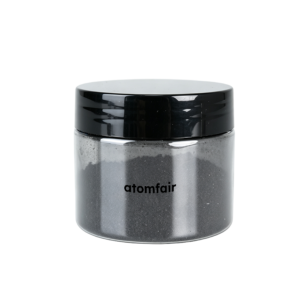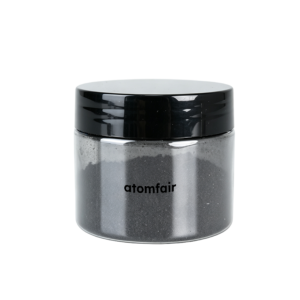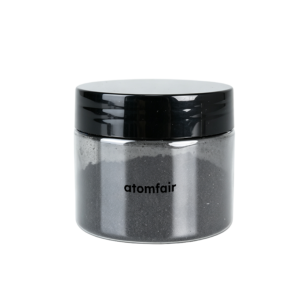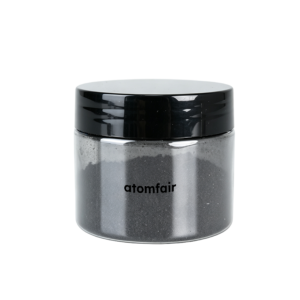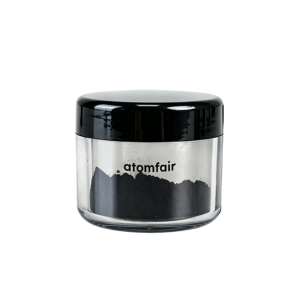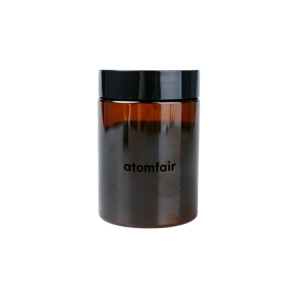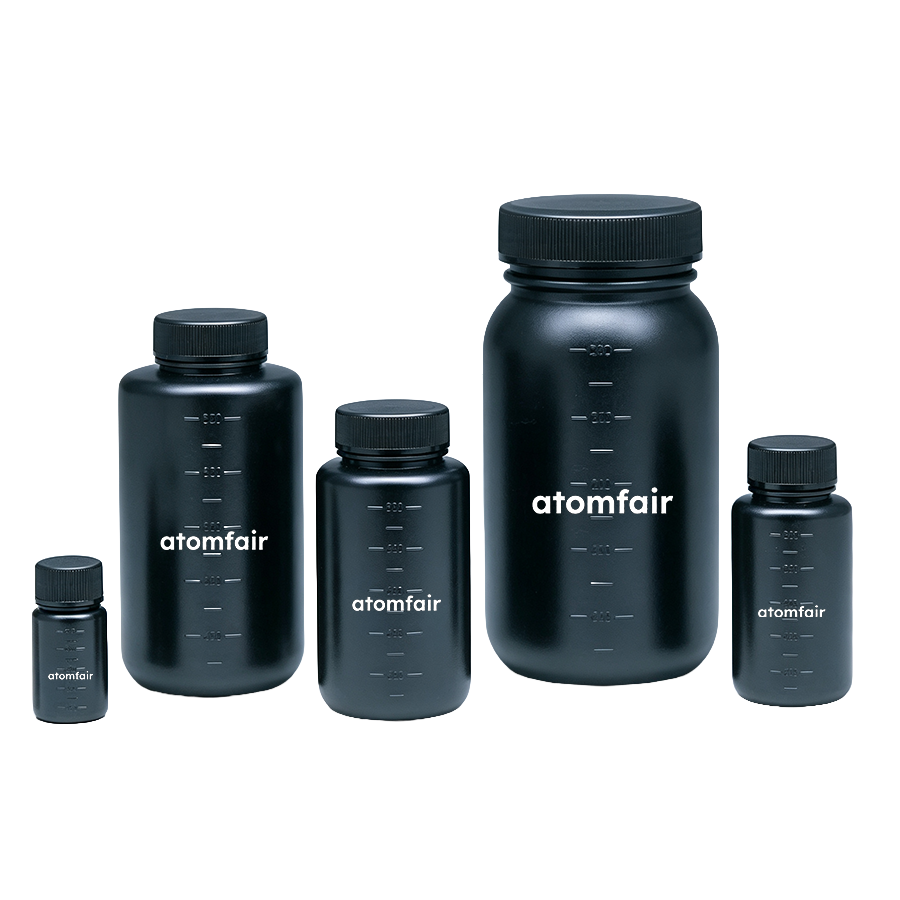
Carbon nanotubeaqueous dispersion, 9-10 wt% contentProduct Type: Carbon nanotube dispersion
Research-grade laboratory product
|
|||||||||||||||||||
|
|||||||||||||||||||
|
LABORATORY PROCUREMENT SUPPORT
For model selection, material specification matching, application fit or quotation confirmation, contact our technical sales team.
E-MAIL: inquiry@atomfair.com
|
|||||||||||||||||||
|
Supplier: Atomfair
Brand: ATOMFAIR®
|
Manufacturer: Atomfair LLC
Brand: ATOMFAIR®
How does the 9–10 wt% CNT content influence the suitability of this aqueous dispersion for electrode slurry preparation compared to lower concentrations?
The 9–10 wt% content provides a high solid loading typical for electrode slurries, enabling efficient conductive network formation. The product's technical specifications list this concentration range, and the selection notes confirm that it is intended for electrode and coating workflows, where higher nanotube content can reduce the total slurry volume needed while maintaining conductivity.
Can this aqueous CNT dispersion be used in NMP-based processes if the solvent is exchanged?
The product is supplied as an aqueous dispersion with water as the solvent. While the material selection notes mention that NMP-based dispersions are available as separate models, this specific product is water-based. Solvent exchange would require additional processing steps not covered in the product description, and the quotation details recommend confirming solvent system before purchase.
What laboratory infrastructure is required to handle this 9–10 wt% aqueous CNT dispersion in a typical research lab?
The dispersion is a black slurry, indicating it may require mechanical stirring or ultrasonication for homogeneous distribution. The selection notes advise reviewing viscosity and solid-content details, suggesting that standard lab equipment for viscous aqueous slurries—such as overhead stirrers or sonication baths—is appropriate. No specialized safety infrastructure is mentioned beyond general lab practice for research-grade materials.
This carbon nanotube aqueous dispersion (9-10 wt% CNT content, water solvent) is evaluated for use in conductive additive, composite, and electrode preparation workflows, where the high solid loading and water-based formulation offer processing advantages but require careful handling to maintain dispersion stability and avoid sedimentation.
Positive
- High CNT loading for efficient formulation: The 9-10 wt% carbon nanotube content provides a high concentration of conductive filler, enabling efficient incorporation into composites, electrodes, or coatings with reduced solvent volume and faster drying times.
- Water-based solvent system: The use of water as the solvent eliminates the need for organic solvents, reducing toxicity and environmental concerns during handling and disposal, and is compatible with aqueous-based processing lines.
Trade-offs
- Black slurry handling challenges: The black slurry appearance indicates a high-viscosity, opaque dispersion that may require specialized mixing or pumping equipment to ensure homogeneity and avoid clogging in standard lab dispensers.
- Dispersion stability over time: Aqueous CNT dispersions at high solid content are prone to sedimentation or agglomeration if not properly stabilized; users must confirm the dispersion protocol and storage conditions to maintain consistent performance.
Every advanced material, component, equipment, and instrument in our catalog is backed by rigorous testing. We maintain strict internal quality management frameworks and align with CE conformity metrics to deliver transparent, reproducible performance data via our public open-science repository.
To request raw batch performance data, submit formal vendor registration paperwork, or execute a fast-turnaround R&D manufacturing loop, contact us at inquiry@atomfair.com.
Item is dispatched under the Atomfair Shipping & Delivery Framework (Free worldwide shipping on orders over $59 USD excl. heavy equipment). Return is governed by the Atomfair Return & Refund Policy (7-day technical return window).