Description
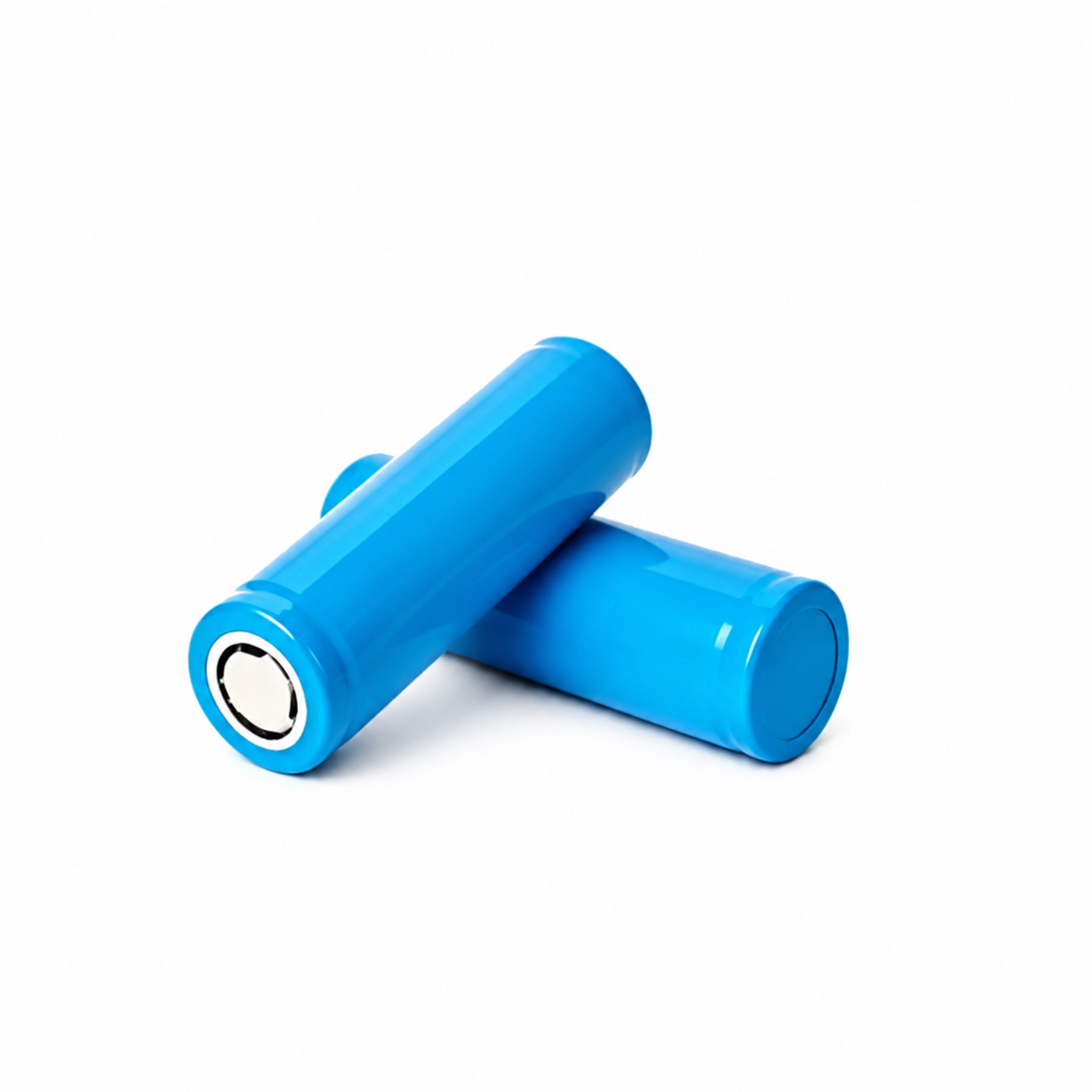
46800 High-Nickel NCM Cylindrical Battery Series (2-Pack)COMMERCIAL GRADE · PRODUCTION
|
|||||||||||||||||||||||||||||||||||||||
|
|||||||||||||||||||||||||||||||||||||||
|
TAILORED SOLUTIONS FOR RESEARCH
Contact our engineering team for technical support or official institutional quotations.
EMAIL: inquiry@atomfair.com
|
|||||||||||||||||||||||||||||||||||||||
|
Manufacturer: Atomfair LLC
Brand: ATOMFAIR®
|
|||||||||||||||||||||||||||||||||||||||
This high-energy cylindrical cell requires strict adherence to charge and discharge rate limits to prevent thermal damage and capacity fade. Storage must be in a dry, temperature-controlled environment to mitigate moisture-induced degradation and risk of thermal runaway.
- Charge Rate Constraint: Charge at rates not exceeding 3C for model AF46800NCM01 and 1C for model AF46800NCM02 to prevent excessive heat generation and electrode stress.
- Discharge Rate Constraint: Discharge at rates not exceeding 5C for model AF46800NCM01 and 2C for model AF46800NCM02 to maintain cycle life and avoid voltage collapse.
- Cycle Life Retention: Cycle life exceeds 1500 cycles for AF46800NCM01 and 2000 cycles for AF46800NCM02 at 70% capacity retention when operated within specified rate limits.
These high-energy cells require controlled initial charging to verify capacity and establish baseline performance. Follow the steps below to safely prepare the battery for use.
Required Equipment: CC-CV programmable power supply
- Inspect cell for physical damage
Inspect the battery cell for any dents, punctures, or deformations before initiating the charging process. - Apply initial charge at low rate
Set the CC-CV power supply to constant current mode at 0.33C and charge until the cell reaches the full charge voltage specified in the product documentation. - Measure initial capacity by discharge
Discharge the cell at 0.33C to the discharge cutoff voltage specified by the manufacturer to verify the delivered capacity.
What is the internal resistance trade-off between the high-rate AF46800NCM01 and high-energy AF46800NCM02 variants?
The tabless architecture in both models achieves ≤4 mΩ internal resistance, but the high-rate AF46800NCM01 supports 5C discharge versus 2C for the high-energy AF46800NCM02, reflecting a trade-off between power density and capacity. The AF46800NCM01 delivers 24.6 Ah at 0.33C with a 3C/5C charge/discharge rate, while the AF46800NCM02 provides 27.8 Ah at 0.33C with a 1C/2C rate, enabling engineers to prioritize either peak power or extended range.
Can the 46800 High-Nickel NCM cells be integrated into existing BEV battery packs designed for 21700 or prismatic cells?
Yes, but integration requires mechanical and thermal redesign due to the 46mm×80mm form factor and tabless current collector geometry. The 3.6V nominal voltage and Ni≥85% cathode chemistry are compatible with standard BMS topologies, but the cell's higher energy density (27.8Ah for AF46800NCM02) and ≤4 mΩ internal resistance demand revised cooling channel spacing and busbar layouts to manage thermal uniformity during 5C discharge in the AF46800NCM01 variant.
What are the mandatory storage and handling conditions for these high-nickel NCM cells to prevent degradation?
Store in a <10% relative humidity environment to prevent moisture-induced cathode degradation, as high-nickel NCM (Ni≥85%) is highly sensitive to humidity. Maximum charge voltage must be strictly limited to 4.2V ±0.05V, and a BMS with cell balancing and overvoltage protection is mandatory to avoid overcharge damage. Cells are shipped vacuum-sealed in moisture-barrier cartons with terminal covers, and handling should follow ISO 9001:2025 and IATF 16949 protocols.
The ATOMFAIR 46800 series offers industry-leading energy density with a Ni-rich NCM cathode and tabless architecture, delivering up to 27.8Ah and excellent cycle life for EV and eVTOL applications.
Positive
- Ultra-high energy density per cell: The Ni-rich NCM cathode with nickel content ≥85% enables up to 27.8Ah capacity in the large 46800 form factor, extending range for BEVs and eVTOLs.
- Tabless design reduces internal resistance: Proprietary tabless current collector architecture lowers internal resistance to ≤4 mΩ, improving thermal uniformity and enabling high discharge rates up to 5C.
Trade-offs
- Moisture-sensitive storage requirement: High-nickel NCM cells must be stored in environments with less than 10% relative humidity to prevent degradation; vacuum-sealed packaging is provided but strict humidity control is required during handling.
- Overcharge protection mandatory: Maximum charge voltage is tightly limited to 4.2V ±0.05V, and a BMS with cell balancing and overvoltage protection is mandatory to prevent capacity loss or safety risks.
Every advanced material, component, equipment, and instrument in our catalog is backed by rigorous testing. We maintain strict internal quality management frameworks and align with CE conformity metrics to deliver transparent, reproducible performance data via our public open-science repository.
To request raw batch performance data, submit formal vendor registration paperwork, or execute a fast-turnaround R&D manufacturing loop, contact us at inquiry@atomfair.com.
Item is dispatched under the Atomfair Shipping & Delivery Framework (Free worldwide shipping on orders over $59 USD). Return is governed by the Atomfair Return & Refund Policy (7-day technical return window).