Description
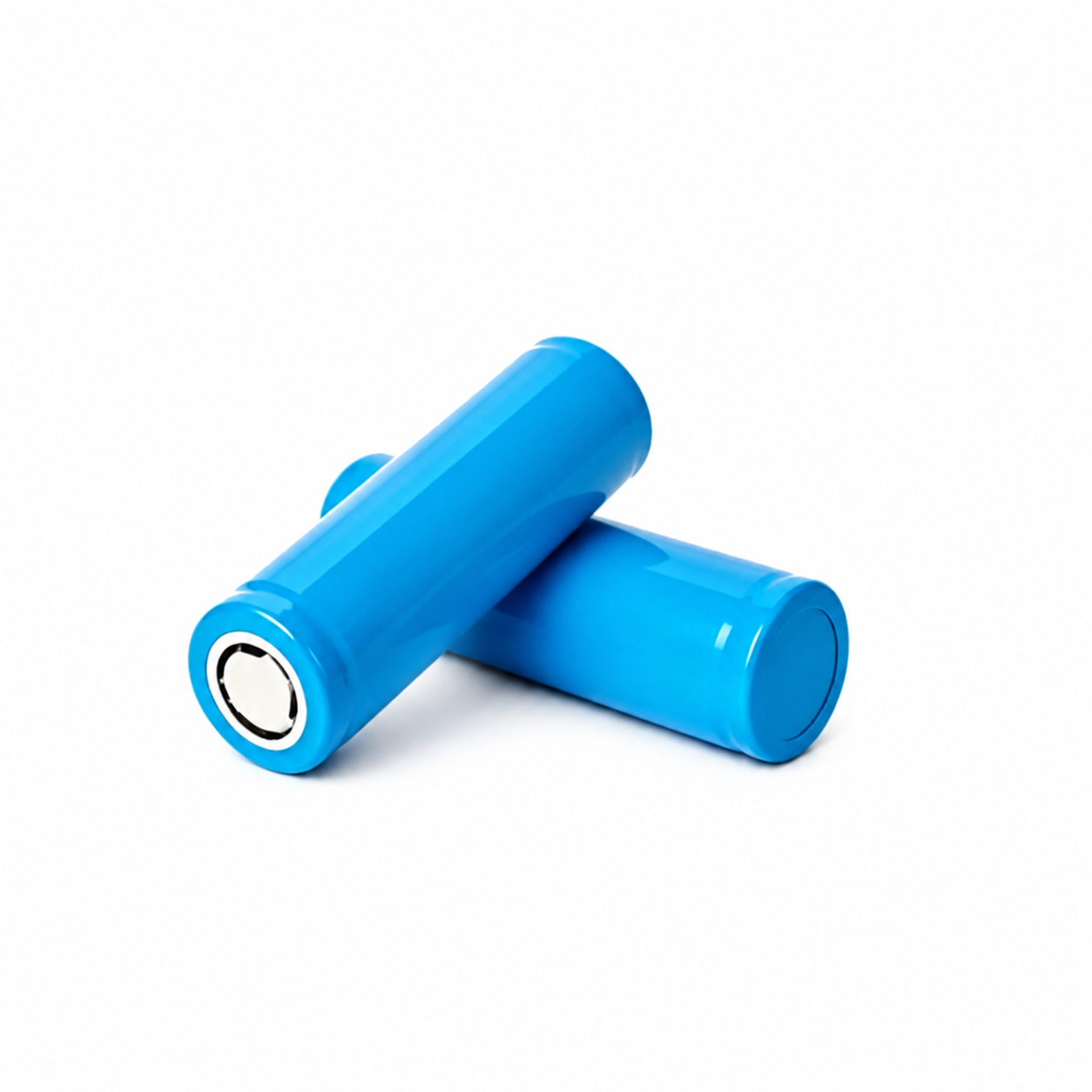
3000mAh Ultra-Low-Temperature 26650 Lithium Iron Phosphate (LFP) Cylindrical Battery | ATOMFAIRCOMMERCIAL GRADE · PRODUCTION
|
|||||||||||||||||||||||||||||||||||||||||||||||||||
|
|||||||||||||||||||||||||||||||||||||||||||||||||||
|
TAILORED SOLUTIONS FOR RESEARCH
Contact our engineering team for technical support or official institutional quotations.
EMAIL: inquiry@atomfair.com
|
|||||||||||||||||||||||||||||||||||||||||||||||||||
|
Manufacturer: Atomfair LLC
Brand: ATOMFAIR®
|
|||||||||||||||||||||||||||||||||||||||||||||||||||
This document outlines essential storage and handling constraints for the ATOMFAIR 26650 LFP cell. Adherence to these guidelines ensures operational safety and preserves cycle life.
- Storage Environment: Store the cell in a cool, dry location away from direct sunlight and flammable materials to prevent thermal degradation.
- Electrical Safety: Keep terminals isolated to avoid short circuits and never charge the battery with a non-LFP specific charger.
- Temperature Limits: Avoid prolonged storage at elevated ambient temperatures to minimize capacity fade and internal resistance growth.
- Mechanical Integrity: Do not puncture, crush, or deform the cell, as mechanical damage may cause internal short circuits and thermal runaway.
Follow these steps to prepare and use the low-temperature LFP cell for the first time. Proper handling ensures reliable power delivery and extends the battery's service life.
Required Equipment: LFP-compatible battery charger
- Inspect Cell
Inspect the cell for any visible damage, swelling, or corrosion before proceeding. - Measure Voltage
Measure the open-circuit voltage with a multimeter to confirm it meets the nominal 3.2V specification. - Connect Charger
Connect the cell to an LFP-compatible charger set to the correct charge voltage of 3.65V. - Initiate Charge
Initiate charging at the standard current of 0.5C and allow the cell to reach full charge under the charger's control. - Verify Temperature
Verify the cell temperature is within the allowed charging range of down to -30°C before starting the charge cycle. - Discharge Load
Connect the load to the cell and discharge at rates up to 10C continuous as needed within the -50°C to 60°C discharge window.
How does the 10C continuous discharge capability degrade when operating below -20°C compared to room temperature?
Below -20°C, the maximum continuous discharge current is derated from 10C to 7.0C, but the cell still delivers >90% capacity at -40°C to a 1.5V cutoff. At temperatures above -20°C, the full 10C rate is available with >90% efficiency, and at 60°C the discharge efficiency exceeds 98% to a 2.0V cutoff.
Can this 26650 LFP cell be integrated into an existing battery management system designed for standard LiFePO4 cells without modifying charge voltage thresholds?
Yes, the cell uses a standard LiFePO4 chemistry with a maximum charge voltage of 3.65 ± 0.03 V and a nominal voltage of 3.2 V, making it electrically compatible with most LFP BMS platforms. However, the BMS must support temperature-compensated charge current limiting—3.0C above 0°C, 0.5C at or below 0°C, and 0.2C at or below -20°C—to avoid damage during extreme cold charging.
The cell must be stored and operated within its rated temperature windows: charge from -30°C to 60°C and discharge from -50°C to 60°C. No external heating is required for charging at -30°C, but the minimum discharge voltage must be adjusted to 1.50 V when operating below -20°C to prevent over-discharge. The cell is manufactured under ISO 9001:2025 and IATF 16949, ensuring traceability and quality for mission-critical applications.
The ATOMFAIR 26650 LFP cell delivers reliable operation from -50°C to 60°C with 10C continuous discharge and >90% capacity retention at -40°C, but designers must account for charging current derating to 0.2C below -20°C and a moderate gravimetric energy density of 113 Wh/kg.
Positive
- Extreme low-temperature operation without heating: Capable of charging at -30°C and discharging at -50°C with no external thermal management, eliminating the need for battery warmers in subarctic conditions.
- High-rate discharge at subzero temperatures: Supports 10C continuous discharge at temperatures below -20°C with greater than 90% capacity retention, providing robust power output in cold environments.
Trade-offs
- Low-temperature charge rate limitation: Maximum charge current is reduced to 0.5C at temperatures ≤0°C and further to 0.2C at ≤-20°C, significantly extending charge duration in cold climates.
- Moderate gravimetric energy density: With an energy density of 113 Wh/kg, this LFP cell provides less energy per unit mass compared to nickel-rich lithium-ion chemistries, a trade-off for its low-temperature resilience.
Every advanced material, component, equipment, and instrument in our catalog is backed by rigorous testing. We maintain strict internal quality management frameworks and align with CE conformity metrics to deliver transparent, reproducible performance data via our public open-science repository.
To request raw batch performance data, submit formal vendor registration paperwork, or execute a fast-turnaround R&D manufacturing loop, contact us at inquiry@atomfair.com.
Item is dispatched under the Atomfair Shipping & Delivery Framework (Free worldwide shipping on orders over $59 USD). Return is governed by the Atomfair Return & Refund Policy (7-day technical return window).