Description
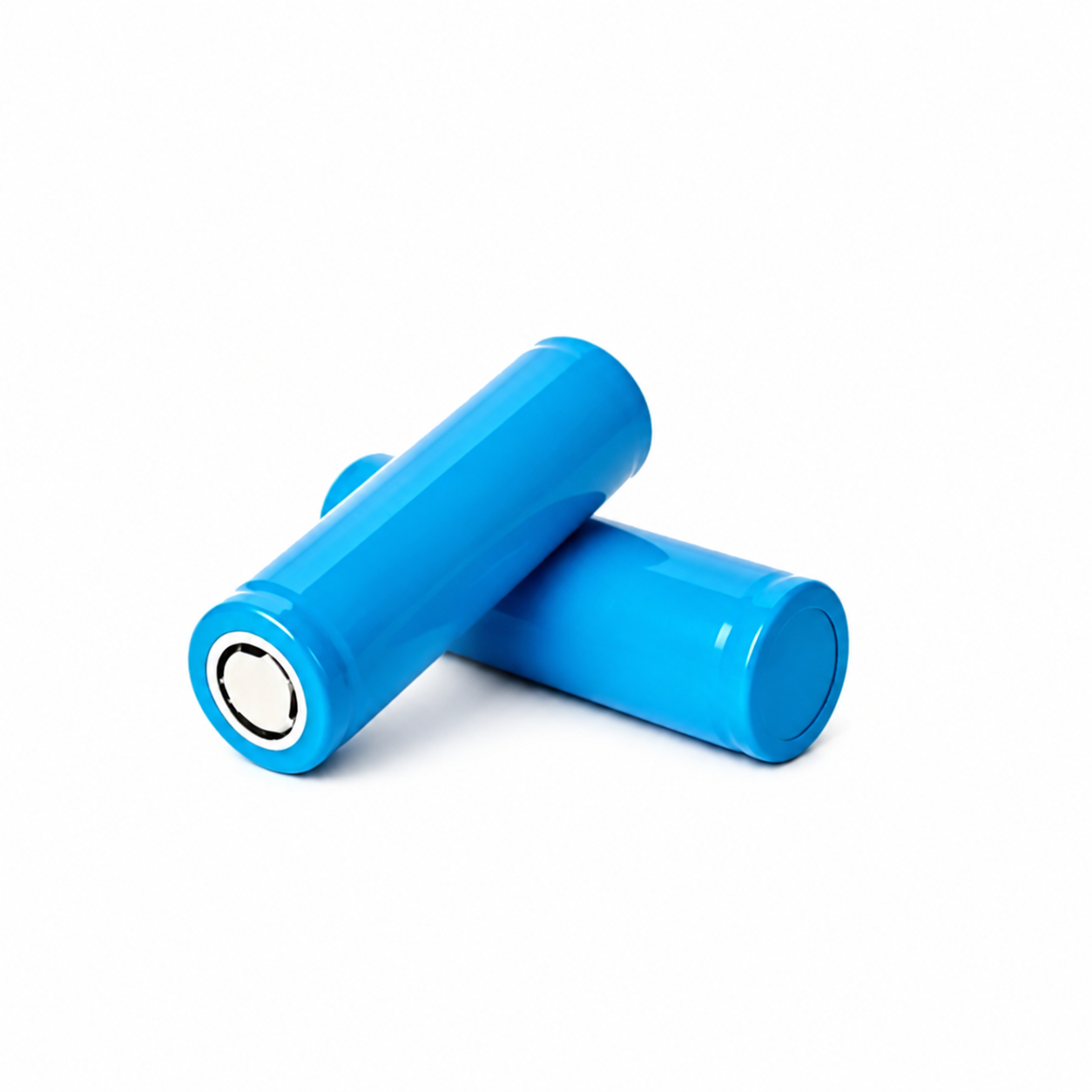
3400mAh High-Capacity 26650 Lithium Iron Phosphate (LFP) Cylindrical Battery | ATOMFAIRCOMMERCIAL GRADE · PRODUCTION
|
|||||||||||||||||||||||||||||||||||||||||||||||||
|
|||||||||||||||||||||||||||||||||||||||||||||||||
|
TAILORED SOLUTIONS FOR RESEARCH
Contact our engineering team for technical support or official institutional quotations.
EMAIL: inquiry@atomfair.com
|
|||||||||||||||||||||||||||||||||||||||||||||||||
|
Manufacturer: Atomfair LLC
Brand: ATOMFAIR®
|
|||||||||||||||||||||||||||||||||||||||||||||||||
This document defines the critical operational and safety constraints for the ATOMFAIR 26650 LFP battery cell. Adherence to these parameters is required to ensure safe performance and maximum cycle life.
- Charge Rate Limitation: The battery must be charged at a constant current rate not exceeding 1C to avoid overheating and maintain rated cycle life.
- Discharge Rate Limitation: The battery must be discharged at a constant current rate not exceeding 1C to prevent capacity loss and ensure safe operation.
- Safety Vent Integrity: The integrated safety vent must remain unobstructed to allow pressure relief under overcharge or internal fault conditions.
- Mechanical Abuse Avoidance: Although the battery passes nail penetration testing without fire or explosion, intentional mechanical abuse should be avoided.
- Cycle Life Condition: At 100% depth of discharge and 25°C ambient temperature, the battery achieves 2000 cycles before capacity drops below 80%.
This procedure provides the essential steps for safely handling and initializing the ATOMFAIR 26650 LFP battery. Following these steps reduces risk and ensures consistent performance.
Required Equipment: Multimeter, Battery Management System
- Inspect Battery Casing
Inspect the battery casing for cracks, dents, or swelling before any handling or installation. - Verify Open-Circuit Voltage
Verify the battery's open-circuit voltage is consistent with the nominal 3.2V rating using a multimeter. - Connect to Battery Management System
Connect the battery to a compatible battery management system to monitor voltage and temperature during operation. - Charge at Limited Rate
Charge the battery at a constant current rate not exceeding 1C to prevent overheating and ensure longevity. - Discharge at Limited Rate
Discharge the battery at a constant current rate not exceeding 1C to maintain cycle life and avoid capacity degradation.
How does the 3400mAh capacity and 128Wh/kg energy density of this 26650 LFP cell affect its cycle life trade-off compared to lower-capacity LFP cells?
This cell achieves a high energy density of 128Wh/kg with 3400mAh capacity while maintaining a standard cycle life of 2000 cycles at 100% DOD and 25°C, and up to 7000 cycles at 1C charge/discharge. This trade-off is favorable for stationary storage and EV auxiliary batteries where energy density is prioritized over ultra-high cycle counts, as the LFP chemistry inherently provides long-term stability even at this capacity level.
Can this 26650 LFP cell be integrated into a high-voltage series pack with existing BMS systems designed for standard LFP voltage ranges?
Yes, the cell's nominal voltage of 3.2V and maximum charge voltage of 3.65±0.03V are standard for LFP chemistry, ensuring compatibility with most LFP-specific BMS systems. The ≤20mΩ internal resistance supports consistent cell-to-cell balancing in series configurations, and the 2C max charge current allows for rapid charging without exceeding typical BMS current limits.
What are the critical handling and storage requirements for this 26650 LFP cell to ensure safety and prevent thermal runaway during assembly?
The cell features a built-in safety vent and passes nail penetration tests without fire or explosion, but must be charged only within 0°C to 45°C and discharged within -20°C to 60°C to maintain safety. Storage should avoid physical damage to the vent mechanism, and the cell should be kept at partial charge (around 30-50% SOC) in a dry environment below 25°C for long-term storage, as per standard LFP handling protocols.
This 26650 LFP cell delivers 3400mAh and 128 Wh/kg with a cycle life reaching 7000 cycles under 1C charge/discharge, making it well suited for high-voltage stationary storage and auxiliary power systems. However, the narrow charge temperature range (0–45°C) and tight charge voltage tolerance (±0.03 V at 3.65 V) require careful thermal management and precision charging infrastructure.
Positive
- High Energy Density and Extended Cycle Life: With 128 Wh/kg energy density and up to 7000 cycles at 1C charge/discharge, this cell offers excellent longevity for long-duration applications requiring minimal capacity fade over time.
- Intrinsic LFP Safety Features: The LiFePO4 chemistry combined with a built-in safety vent and nail penetration test result (no fire or explosion) provides intrinsic safety advantages over other lithium-ion chemistries in abuse scenarios.
Trade-offs
- Restricted Charge Temperature Range: Charge operation is limited to 0°C to 45°C; charging below 0°C is not permitted without cell damage, requiring pre-heating or temperature control in cold environments.
- Precision Charge Voltage Requirement: The maximum charge voltage must be held at 3.65 ± 0.03 V, demanding charging electronics with tight voltage regulation to avoid over-voltage stress and accelerated degradation.
Every advanced material, component, equipment, and instrument in our catalog is backed by rigorous testing. We maintain strict internal quality management frameworks and align with CE conformity metrics to deliver transparent, reproducible performance data via our public open-science repository.
To request raw batch performance data, submit formal vendor registration paperwork, or execute a fast-turnaround R&D manufacturing loop, contact us at inquiry@atomfair.com.
Item is dispatched under the Atomfair Shipping & Delivery Framework (Free worldwide shipping on orders over $59 USD). Return is governed by the Atomfair Return & Refund Policy (7-day technical return window).