Description
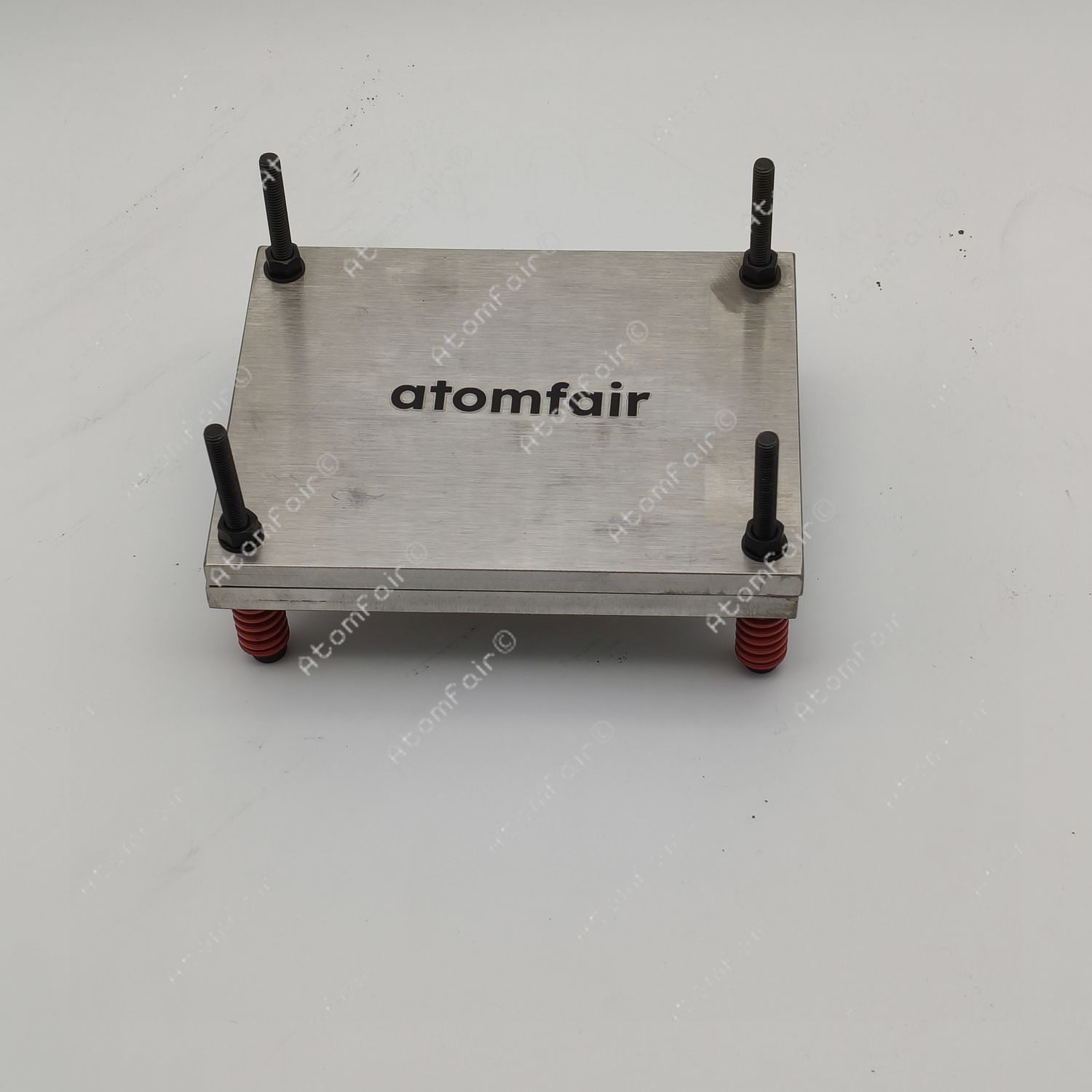
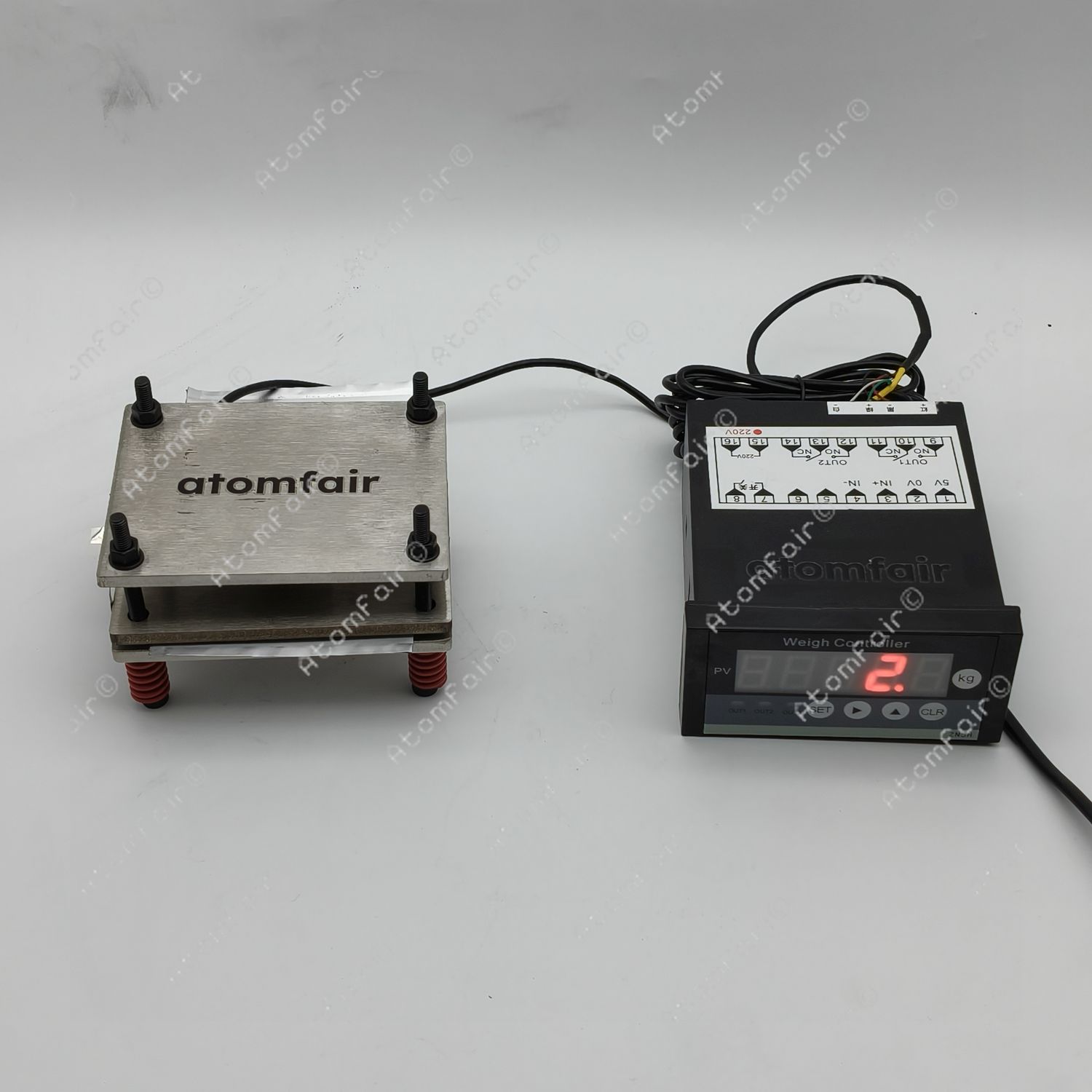
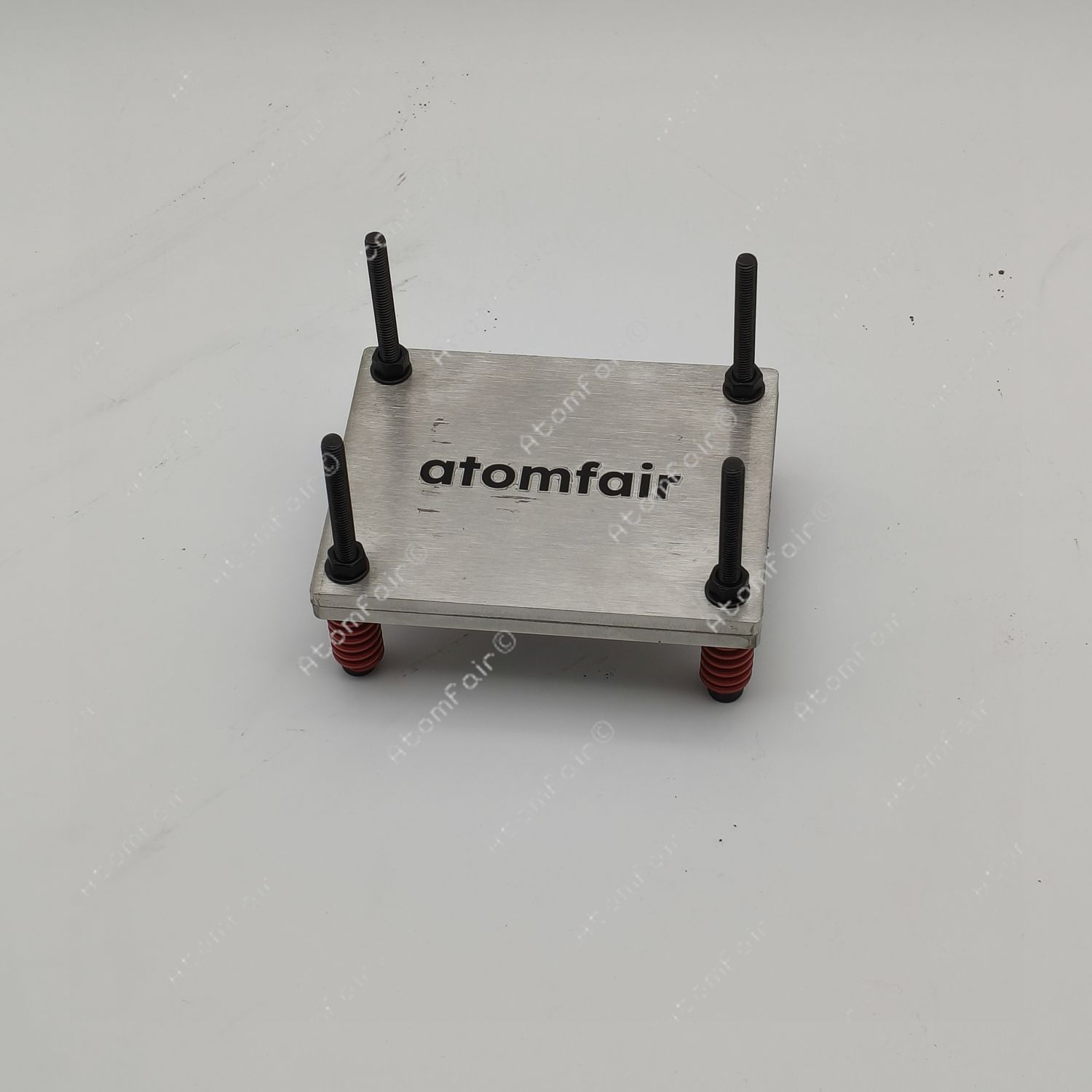
ATOMFAIR® LOAD PRESSURE SENSOR & ADJUSTABLE PRESSURE JIG KIT FOR BATTERY POUCH CELLRESEARCH GRADE MATERIAL
|
|||||||||||||||||||||||
|
|||||||||||||||||||||||
|
TAILORED SOLUTIONS FOR RESEARCH
Contact our engineering team for technical support or official quotations.
EMAIL: inquiry@atomfair.com
|
|||||||||||||||||||||||
|
Manufacturer: Atomfair LLC
Brand: ATOMFAIR®
|
Store the jig and load sensor in a dry, clean environment away from extreme temperatures and humidity to prevent corrosion and sensor drift. Operate the kit in a controlled environment to avoid mechanical damage to the fixture and ensure pressure application accuracy.
- Environmental Sensitivity: Exposure to moisture, extreme temperatures, or direct sunlight can compromise the load sensor calibration and promote oxidation of the carbon steel screws.
- Mechanical Handling Limitation: Dropping or subjecting the jig plates or load sensor to impact may cause permanent deformation or zero-offset errors in the sensor readout.
- Battery Compatibility Requirement: The jig is designed for pouch cells of specific plate dimensions (78×100 mm or 130×100 mm) and may not safely accommodate cells outside these size tolerances without risk of uneven pressure distribution.
- Load Sensor Calibration Drift: The integrated load sensor requires periodic re-zeroing before each use, as mechanical stress from repeated cycling can cause baseline drift.
- Fastener Torque Limitation: The grade 12.9 carbon steel screws should not be over-torqued beyond the spring’s compression limit to avoid thread stripping or plate warping.
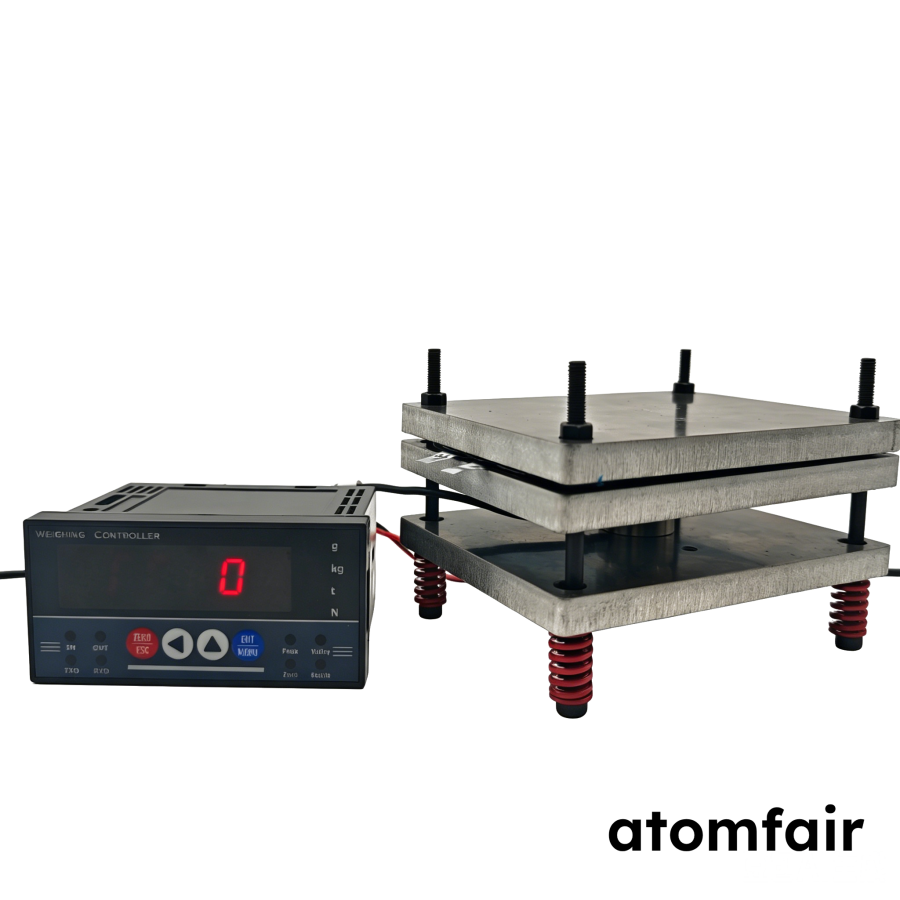
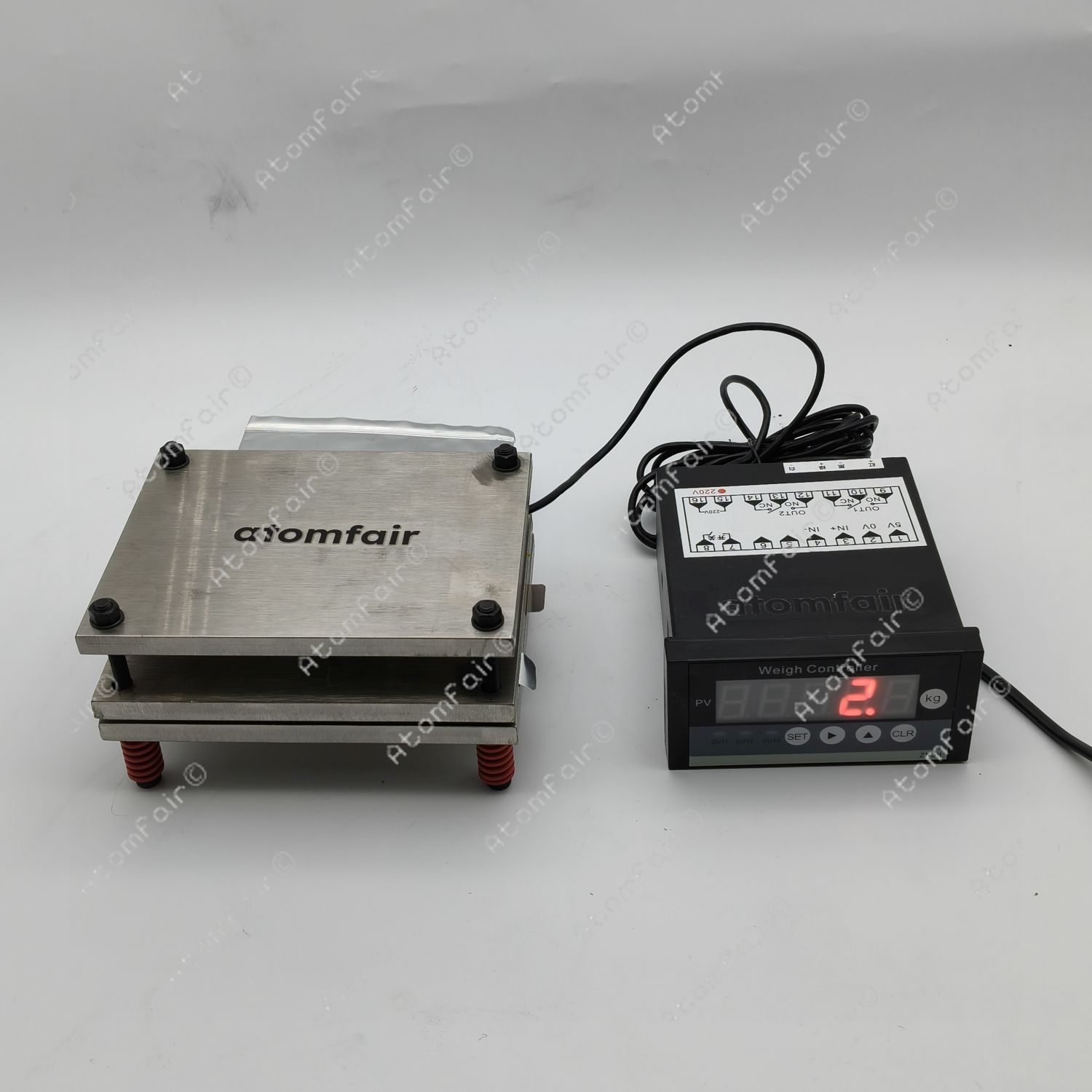
This procedure describes the safe assembly, pressure adjustment, and data recording steps for using the jig kit to apply a controlled compressive force to a pouch cell. Correct execution ensures repeatable mechanical boundary conditions during battery testing.
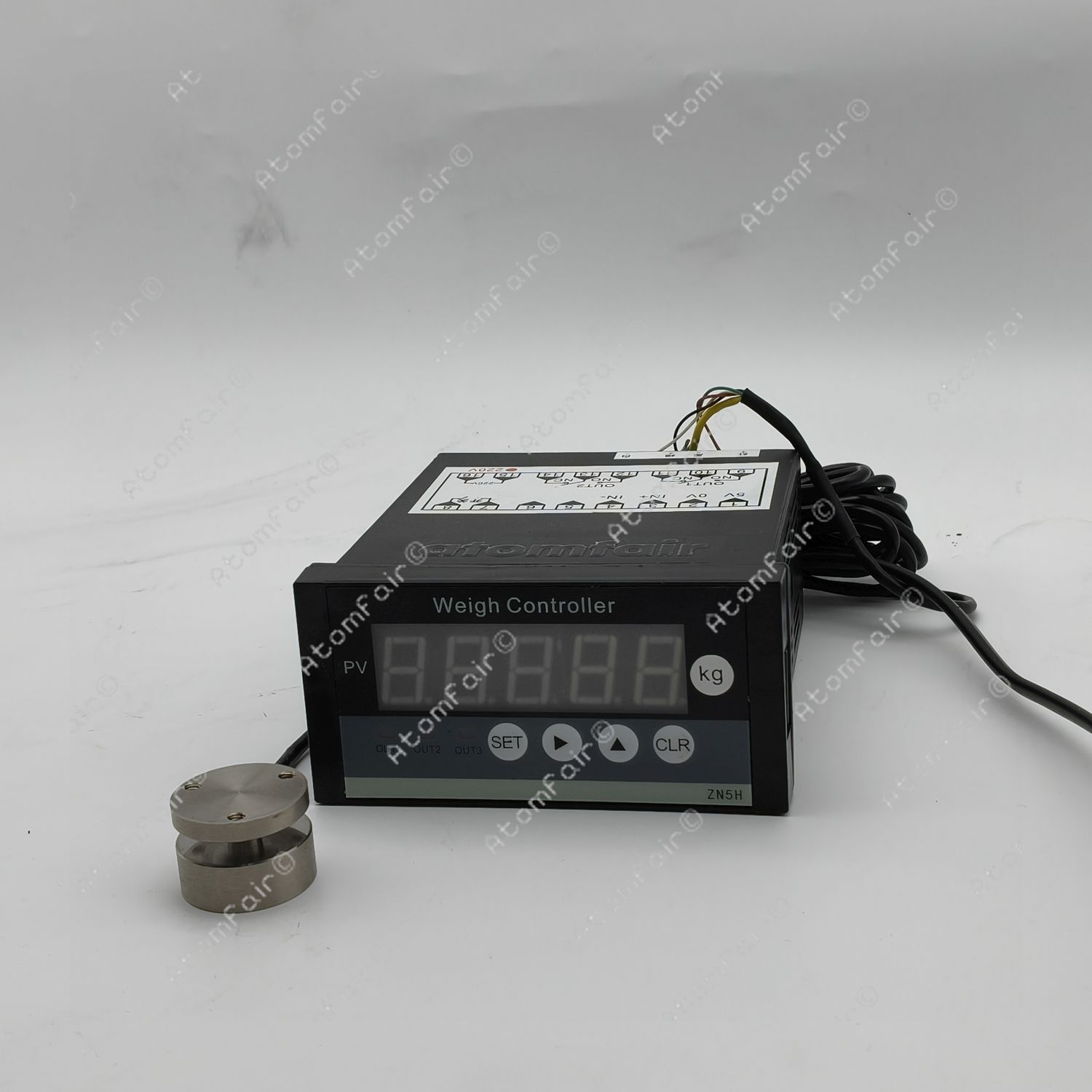
Required Equipment: Adjustable pressure jig (304 stainless steel plates and grade 12.9 carbon steel screws), Optional load pressure sensor with readout interface, Compression spring (included), Torque wrench or hex key (user-supplied, as per screw size)
- Inspect the jig and sensor
Inspect both jig plates, the spring, and the load sensor for any visible damage or debris before each test session. - Place the spring and set initial gap
Place the compression spring over one of the screw guides and slide the top plate onto the alignment pins, leaving a gap sufficient to insert the pouch cell. - Insert the pouch cell
Insert the pouch cell between the jig plates, ensuring it is centered and does not protrude beyond the plate edges. - Tighten the screws to apply initial compression
Tighten the four screws evenly in a cross-pattern until the spring is compressed and the load sensor shows the desired preload force. - Verify pressure uniformity with the load sensor
Read the load sensor output at four quadrants of the plate surface, then adjust the screws incrementally to achieve less than 5% variance across all readings. - Record the applied pressure and test parameters
Record the displayed pressure value, ambient temperature, and relative humidity in the test log before initiating any electrochemical measurements. - Disassemble and store the kit after use
Remove the battery, release the screws gradually, clean the plates with a lint-free cloth, and store the kit in its protective case in a dry, climate‑controlled environment.
How does the plate thickness affect the uniformity of pressure distribution across pouch cells of different sizes?
The 5 mm thick plate (78 mm × 100 mm) is optimized for smaller pouch cells, offering sufficient rigidity without over-constraining the cell. The 8 mm thick plate (130 mm × 100 mm) provides greater stiffness to minimize bowing and ensure uniform compression over larger cell areas. Choosing the appropriate plate thickness is critical to avoid pressure gradients that can skew electrochemical test results.
Can the Atomfair pressure jig be used with solid-state pouch cells that require lower compression forces or have rigid external casings?
Yes, the kit is explicitly compatible with solid-state batteries in addition to conventional lithium-ion and sodium-ion pouch cells. The adjustable pressure mechanism, aided by a spring and optional load sensor, enables fine control of compression forces down to the lower ranges typical for solid-state cells. Custom plate dimensions can also be ordered to accommodate non-standard cell geometries or rigid casings.
What storage conditions and handling practices are required to prevent load sensor drift or corrosion of the stainless steel plates?
The kit must be stored in a dry, clean environment away from extreme temperatures and humidity to avoid sensor calibration drift and surface corrosion on the 304 stainless steel plates. The jig should be handled with care to prevent physical damage to the load sensor or deformation of the plates. Use in a controlled laboratory environment is recommended to maintain repeatable test accuracy.
The Atomfair Load Pressure Sensor and Adjustable Pressure Jig Kit offers precise compression control for pouch cell testing with durable 304 stainless steel construction, but requires a controlled environment for accurate results and the load sensor is an optional add-on, not included by default.
Positive
- Adjustable Pressure with Real-Time Feedback: The adjustable jig enables precise control of compression force, and the optional load sensor provides real-time feedback to ensure tests remain within desired parameters, supporting repeatability.
- Robust Construction Materials: The jig plate is made of high-quality 304 stainless steel, and screws are grade 12.9 carbon steel, offering excellent compressive strength and durability for extensive laboratory use.
Trade-offs
- Requires Controlled Operating Environment: The kit must be used in a controlled environment to prevent damage to battery cells and ensure accurate test results, limiting its suitability for uncontrolled or variable ambient conditions.
- Load Sensor Optional, Not Included: The load sensor is an optional component that must be specified and purchased separately, meaning real-time pressure monitoring is not available in the base kit.
Every advanced material, component, equipment, and instrument in our catalog is backed by rigorous testing. We maintain strict internal quality management frameworks and align with CE conformity metrics to deliver transparent, reproducible performance data via our public open-science repository.
To request raw batch performance data, submit formal vendor registration paperwork, or execute a fast-turnaround R&D manufacturing loop, contact us at inquiry@atomfair.com.
Item is dispatched under the Atomfair Shipping & Delivery Framework (Free worldwide shipping on orders over $59 USD). Return is governed by the Atomfair Return & Refund Policy (7-day technical return window).