Description
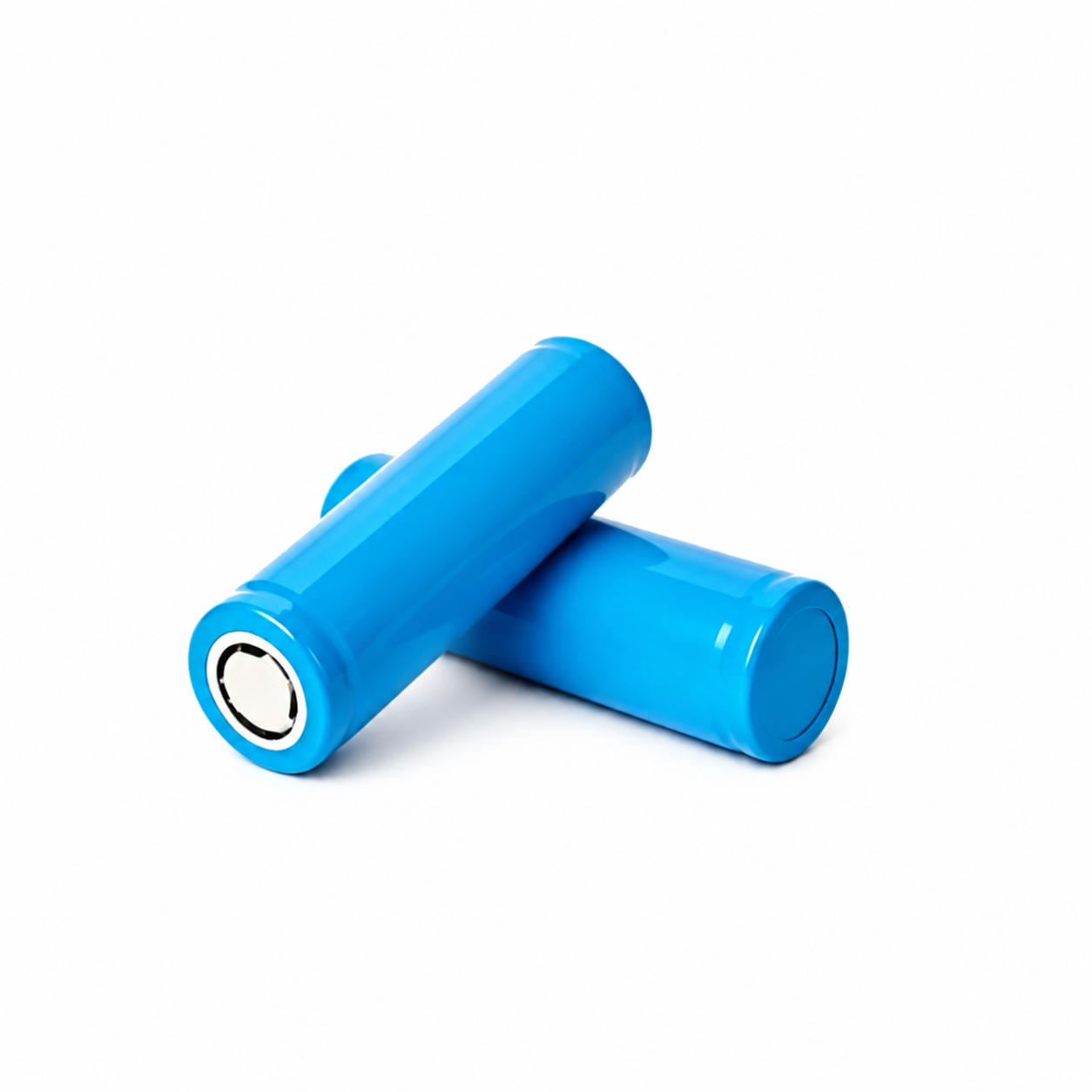
46145 Lithium Iron Phosphate (LFP) Cylindrical Battery Series (2-Pack)COMMERCIAL GRADE · PRODUCTION
|
|||||||||||||||||||||||||||||||||||||||||
|
|||||||||||||||||||||||||||||||||||||||||
|
TAILORED SOLUTIONS FOR RESEARCH
Contact our engineering team for technical support or official institutional quotations.
EMAIL: inquiry@atomfair.com
|
|||||||||||||||||||||||||||||||||||||||||
|
Manufacturer: Atomfair LLC
Brand: ATOMFAIR®
|
|||||||||||||||||||||||||||||||||||||||||
Store cells in a cool, dry environment between -20°C and 45°C to preserve electrochemical stability and prevent capacity degradation. Maintain a non-condensing atmosphere and protect terminals from short circuits to mitigate thermal runaway risks.
- Temperature Range: Avoid prolonged exposure above 45°C or below -20°C to prevent irreversible damage to the cell chemistry.
- Moisture Sensitivity: Keep cells sealed in original packaging until use to prevent moisture ingress that can cause internal corrosion and capacity fade.
- Short Circuit Prevention: Use insulated terminal covers and avoid contact with conductive materials during storage and handling to prevent electrical hazards.
- Ventilation: Charge and discharge in well-ventilated areas to dissipate heat and safely vent any gases released in the event of malfunction.
- Mechanical Integrity: Do not puncture, crush, or deform the cell casing to avoid internal short circuits and potential thermal events.
Inspect the battery cell for physical damage and verify open-circuit voltage before first use. Follow the recommended charging profile with a compatible LiFePO4 charger to ensure safe activation.
Required Equipment: Insulated gloves, Digital voltmeter, Certified LiFePO4 battery charger
- Inspect
Inspect the cell casing for dents, swelling, or leakage before handling. - Verify
Verify the open-circuit voltage using a digital voltmeter to confirm it is within the acceptable range of 3.0V to 3.4V. - Connect
Connect the cell to a certified LiFePO4 constant-current/constant-voltage charger with appropriate current limits. - Monitor
Monitor cell temperature during charging, ensuring it does not exceed 60°C. - Allow
Allow the cell to rest for at least 30 minutes after charging before use. - Store
Store charged cells at 50% state of charge in a cool, dry location if not used immediately.
How does the trade-off between power density and energy density manifest across the three 46145 LFP variants for a 48V battery pack design?
The AF46145LFP01 high-power variant (25 Ah, 5C/20C) delivers maximum burst current for regenerative braking but sacrifices 25% energy capacity versus the high-energy AF46145LFP03 (33.3 Ah, 2C/3C). The balanced AF46145LFP02 (28 Ah, 3C/10C) provides a middle ground with 12% more capacity than the high-power cell while retaining 50% higher continuous discharge than the high-energy cell. All three share identical 3.2 V nominal voltage and 505 ± 10 g mass, enabling direct pack-level substitution based on duty cycle requirements.
Can the 46145 LFP cells be directly integrated into existing battery management systems designed for NMC or LTO chemistries?
No, these LFP cells require a dedicated BMS configured for a 2.5V to 3.65V operating window and LFP-specific charge profiles. NMC or LTO BMS units typically use different voltage thresholds (e.g., 4.2V or 2.8V) that would either underutilize the LFP capacity or risk over-discharge damage. The product description explicitly mandates a dedicated LFP BMS with cell balancing to maximize cycle life exceeding 3000 cycles at 70% state-of-health.
What are the critical storage and handling requirements for the 46145 LFP cells to prevent capacity fade before installation?
Cells must be stored in industrial moisture-barrier cartons with anti-static dividers, as provided in the packaging specification, to prevent humidity-induced degradation of the nano-phosphate cathode. Sustained storage above 60°C or below -20°C must be avoided to prevent irreversible capacity loss. Each cell is individually insulated during transport, and the recommended voltage window of 2.5V – 3.65V should be maintained even during storage to preserve cycle life.
The 46145 LFP cylindrical battery series delivers exceptional thermal stability, intrinsic abuse tolerance, and ultra-long cycle life across three power/energy-optimized variants, but requires strict voltage window (2.5V–3.65V) and temperature limits (<60°C or >-20°C) paired with a dedicated LFP BMS to achieve rated performance.
Positive
- Ultra-Safe LFP Chemistry: Intrinsic thermal stability and zero risk of thermal runaway, with exceptional overcharge/over-discharge tolerance, making the series suitable for high-reliability commercial and industrial energy storage systems.
- Extended Cycle Life: Exceeding 3000 cycles at 70% state-of-health yields a service life of over 10 years in daily cycling applications, significantly reducing total cost of ownership for grid-scale and EV deployments.
Trade-offs
- Sensitive Voltage and Temperature Window: To maximize cycle life, cells must be operated within 2.5V–3.65V and avoided sustained exposure above 60°C or below -20°C, requiring precise thermal and electrical management in the pack design.
- Requires Dedicated LFP BMS: Safe and optimal operation mandates a battery management system designed specifically for LFP chemistry with active cell balancing, adding system complexity and cost to each installation.
Every advanced material, component, equipment, and instrument in our catalog is backed by rigorous testing. We maintain strict internal quality management frameworks and align with CE conformity metrics to deliver transparent, reproducible performance data via our public open-science repository.
To request raw batch performance data, submit formal vendor registration paperwork, or execute a fast-turnaround R&D manufacturing loop, contact us at inquiry@atomfair.com.
Item is dispatched under the Atomfair Shipping & Delivery Framework (Free worldwide shipping on orders over $59 USD). Return is governed by the Atomfair Return & Refund Policy (7-day technical return window).