Description
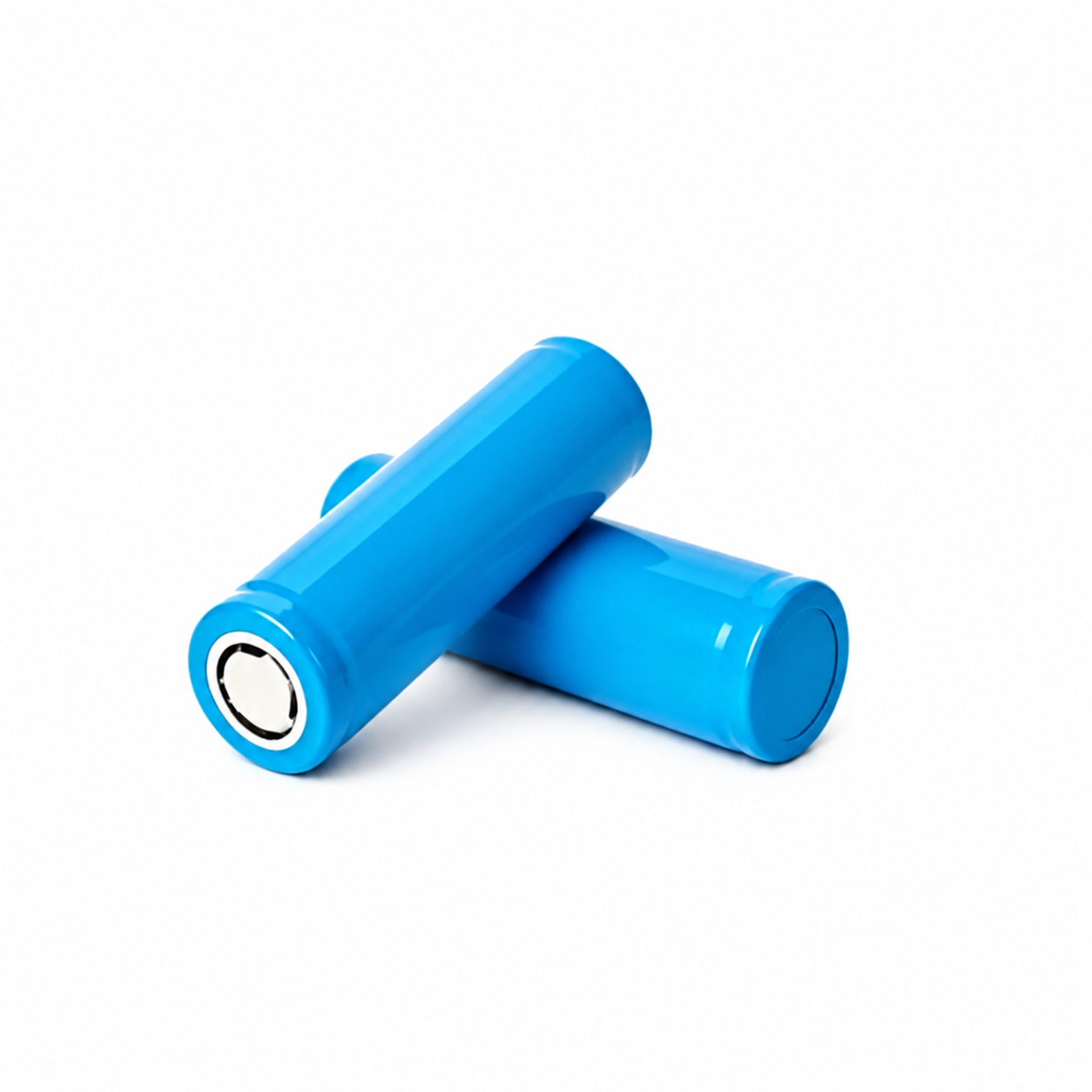
3500mAh Ultra-Low-Temperature 26650 Lithium Iron Phosphate (LFP) Cylindrical Battery (4-Pack)COMMERCIAL GRADE · PRODUCTION
|
|||||||||||||||||||||||||||||||||||||||||||||||||||
|
|||||||||||||||||||||||||||||||||||||||||||||||||||
|
TAILORED SOLUTIONS FOR RESEARCH
Contact our engineering team for technical support or official institutional quotations.
EMAIL: inquiry@atomfair.com
|
|||||||||||||||||||||||||||||||||||||||||||||||||||
|
Manufacturer: Atomfair LLC
Brand: ATOMFAIR®
|
|||||||||||||||||||||||||||||||||||||||||||||||||||
Store the cell in a dry, cool environment at partial state of charge to minimize capacity fade. Avoid exposure to temperatures below -20°C during operation or above 60°C during storage to prevent irreversible damage.
- Short Circuit Prevention: Keep the cell terminals insulated to prevent accidental short circuits during handling and storage.
- Overcharge Protection: Use a charger with a valid CC/CV profile terminating at a maximum charge voltage of 3.65 V to avoid overcharge hazards.
- Thermal Runaway Avoidance: Do not expose the cell to open flame, crush, or puncture to mitigate the risk of thermal runaway.
- Electrolyte Leakage Containment: Store the cell in a secondary containment tray to contain any potential electrolyte leakage during extended storage.
This procedure outlines the steps to safely deploy and initialize the low-temperature LFP cell. Follow each step sequentially to avoid electrical hazards and cell damage.
Required Equipment: Insulated gloves, Digital multimeter, CC/CV battery charger, Cell holder or battery compartment
- Inspect the cell
Inspect the cell for visible damage, deformation, or electrolyte leakage before handling. - Measure open-circuit voltage
Measure the open-circuit voltage with a digital multimeter to confirm it is within the safe range of 3.0 V to 3.65 V. - Place the cell in the holder
Place the cell into the battery holder or compartment ensuring correct polarity alignment. - Connect the charger
Connect a CC/CV charger set to a maximum charge voltage of 3.65 V and a charge current not exceeding 1 C. - Monitor temperature during charging
Monitor the cell surface temperature during charging and stop if it exceeds 60°C. - Allow rest after charging
Allow the cell to rest for at least 30 minutes after charging before measuring the final open-circuit voltage.
How does the 26650 LFP cell's discharge capacity at -40°C compare to its room-temperature performance, and what voltage cutoff is required to achieve that level?
At -40°C, the cell delivers >70% of its nominal capacity when discharged to a 1.5V cutoff, compared to >98% at 60°C. This low-temperature discharge performance requires the minimum discharge voltage to be lowered from the standard 2.00V (used above -20°C) to 1.50V to extract the available energy.
Can this 26650 LFP battery be integrated into an existing 12V or 24V battery pack designed for standard LiFePO4 cells without modifying the BMS charge profile?
Yes, it can be integrated into standard LFP packs because its nominal voltage (3.2V) and maximum charge voltage (3.65 ± 0.03V) are identical to conventional LiFePO4 cells. However, the BMS must be programmed to reduce charge current to 0.5C when pack temperature is at or below 0°C and to 0.2C at or below -10°C to stay within the specified charge current limits.
The cell can be charged across -20°C to 55°C and discharged across -40°C to 60°C, so no special pre-heating is required before use in sub-zero environments. For long-term storage, standard LFP best practices apply: store at partial state of charge (around 50% SOC) in a dry environment within the recommended temperature range to minimize calendar aging and preserve cycle life of 1500 cycles at 80% DOD.
This 26650 LFP cell delivers 3500mAh capacity with direct charge/discharge capability at -20°C, but requires careful charge current management and delivers reduced capacity below -20°C.
Positive
- Sub-zero charge without pre-heating: Capable of charging at temperatures as low as -20°C without external heating, eliminating the need for battery warmers in cold environments.
- High energy density and cycle life: Offers 128 Wh/kg energy density and 1500 cycles at 80% depth of discharge at 25°C, suitable for long-life applications.
Trade-offs
- Charge current derating at low temperatures: Maximum charge current reduces to 0.5C at 0°C and 0.2C at -10°C, requiring longer charge times in sub-zero conditions.
- Reduced capacity at extreme cold: Discharge performance drops to >70% at -40°C and minimum voltage shifts to 1.5V, limiting usable energy in polar environments.
Every advanced material, component, equipment, and instrument in our catalog is backed by rigorous testing. We maintain strict internal quality management frameworks and align with CE conformity metrics to deliver transparent, reproducible performance data via our public open-science repository.
To request raw batch performance data, submit formal vendor registration paperwork, or execute a fast-turnaround R&D manufacturing loop, contact us at inquiry@atomfair.com.
Item is dispatched under the Atomfair Shipping & Delivery Framework (Free worldwide shipping on orders over $59 USD). Return is governed by the Atomfair Return & Refund Policy (7-day technical return window).