Description
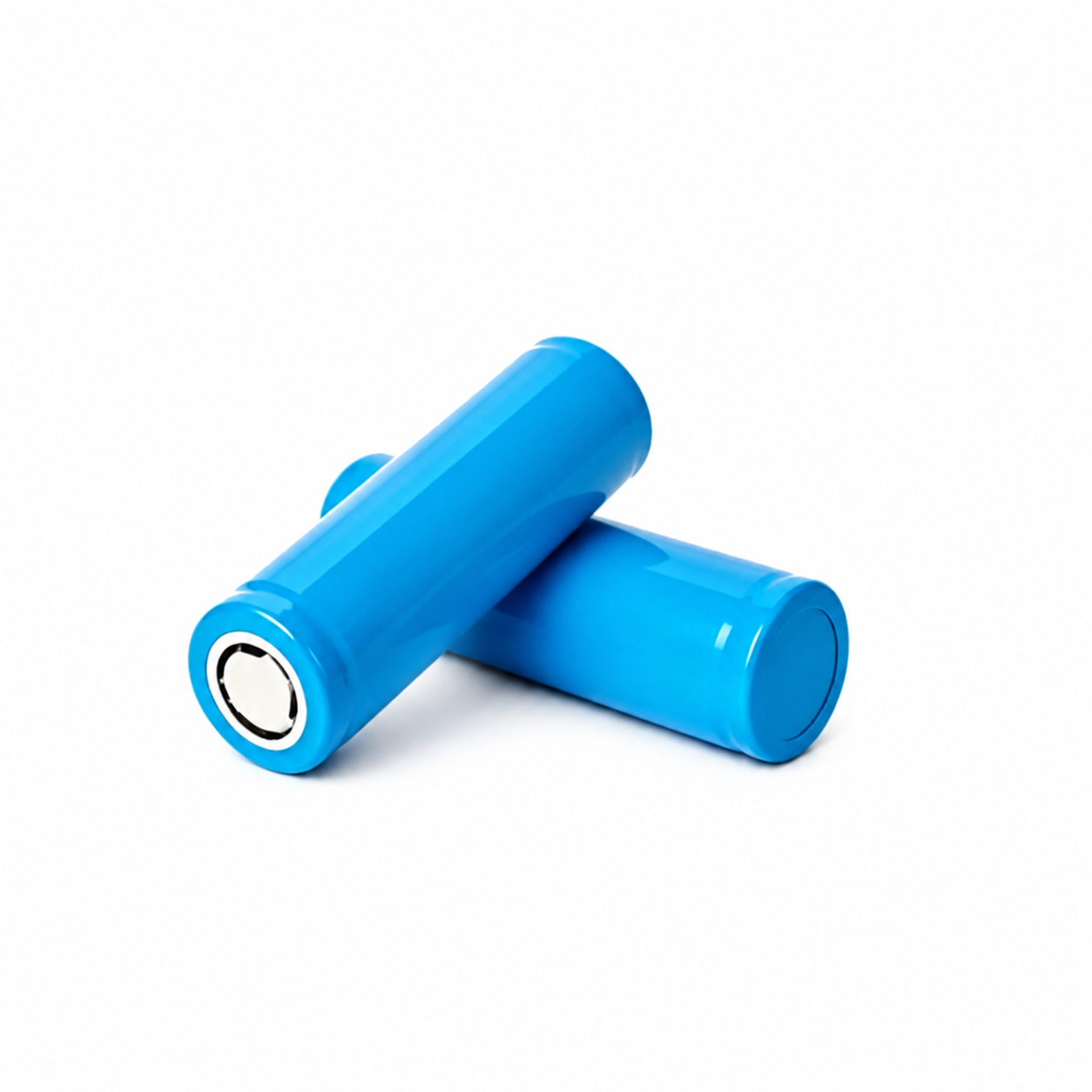
3400mAh Ultra-Low-Temperature 26650 Lithium Iron Phosphate (LFP) Cylindrical Battery | ATOMFAIRCOMMERCIAL GRADE · PRODUCTION
|
|||||||||||||||||||||||||||||||||||||||||||||||||||||
|
|||||||||||||||||||||||||||||||||||||||||||||||||||||
|
TAILORED SOLUTIONS FOR RESEARCH
Contact our engineering team for technical support or official institutional quotations.
EMAIL: inquiry@atomfair.com
|
|||||||||||||||||||||||||||||||||||||||||||||||||||||
|
Manufacturer: Atomfair LLC
Brand: ATOMFAIR®
|
|||||||||||||||||||||||||||||||||||||||||||||||||||||
This document outlines the electrical safety limits and environmental constraints for the ATOMFAIR 26650 LFP battery. Adherence to these guidelines ensures safe operation and prolongs cycle life.
- Continuous Discharge Limit: Do not exceed a continuous discharge current of 10.2A to avoid thermal overload.
- Pulse Discharge Limit: Do not apply pulse currents exceeding 17A for longer than 30 seconds.
- Charge Temperature Range: Charge the battery only when ambient temperature is above -30°C to ensure proper lithium intercalation.
- Discharge Temperature Range: Discharge is permissible down to -50°C ambient temperature without external heating.
Follow these steps to initialize and deploy the battery for cold-weather applications. Proper handling maximizes performance and safety under extreme conditions.
Required Equipment: CC/CV Charger
- Inspect Battery
Inspect the battery casing for cracks, dents, or leakage before handling. - Connect Charger
Connect the battery to a CC/CV charger set to the correct voltage and current parameters. - Verify Temperature
Confirm the ambient temperature is above -30°C for charging or above -50°C for discharging. - Set Discharge Load
Set the discharge load to draw no more than 10.2A continuous current. - Monitor Pulse Discharge
Limit pulse discharge current to 17A and duration to 30 seconds maximum.
How does the 3400mAh capacity and discharge performance of this 26650 LFP cell degrade at -50°C compared to room temperature?
This cell maintains >90% discharge efficiency at -50°C when discharged to 1.5V, compared to >98% at 60°C to 2.0V. The nominal capacity is 3400mAh at 0.5C, and the minimum discharge voltage drops from 2.00V above -20°C to 1.50V at or below -20°C to sustain power delivery under extreme cold.
Can this low-temperature LFP battery be integrated into an existing 12V or 24V battery pack designed for standard LiFePO4 cells without modifying the BMS charge profile?
Yes, it is compatible with standard LFP BMS topologies because its nominal voltage is 3.2V and maximum charge voltage is 3.65±0.03V, matching typical LiFePO4 chemistry. However, the BMS must support reduced charge current at low temperatures—0.5C at ≤0°C and 0.2C at ≤-20°C—to prevent damage, which may require a temperature-compensated charge algorithm.
What are the storage and handling requirements for this cell to maintain its low-temperature performance and cycle life?
Store the cell in a dry, cool environment within its rated temperature range of -30°C to 60°C for charging and -50°C to 60°C for discharging. The cell has an internal resistance of ≤15 mΩ and weighs approximately 85g; avoid physical deformation or short-circuiting the terminals. For long-term storage, maintain a state of charge between 30-50% and store at temperatures between 10-25°C to preserve cycle life of 2000 cycles at 80% DOD.
The 26650 3400mAh LFP battery delivers exceptional low-temperature performance, enabling charging at -30°C and discharging at -50°C without heating, but imposes strict charge current derating below 0°C and requires a BMS compatible with voltage-cutoff reduction at extreme cold.
Positive
- Ultra-low-temperature operation without heating: Supports charge down to -30°C and discharge down to -50°C without external thermal management, enabling reliable energy storage in polar and cold-chain applications.
- High pulse discharge at extreme cold: Delivers 5C (17A) pulse for 30 seconds with over 90% capacity retention at -50°C, providing robust burst power where standard cells fail.
Trade-offs
- Charge current derating at low temperature: Maximum charge current drops from 3.0C above 0°C to 0.2C below -20°C, significantly prolonging recharge time in cold environments.
- Voltage cut-off shift below -20°C: Minimum discharge voltage lowers from 2.00V to 1.50V at ≤-20°C, requiring a BMS or system design that accommodates the expanded voltage window to avoid premature shutdown.
Every advanced material, component, equipment, and instrument in our catalog is backed by rigorous testing. We maintain strict internal quality management frameworks and align with CE conformity metrics to deliver transparent, reproducible performance data via our public open-science repository.
To request raw batch performance data, submit formal vendor registration paperwork, or execute a fast-turnaround R&D manufacturing loop, contact us at inquiry@atomfair.com.
Item is dispatched under the Atomfair Shipping & Delivery Framework (Free worldwide shipping on orders over $59 USD). Return is governed by the Atomfair Return & Refund Policy (7-day technical return window).