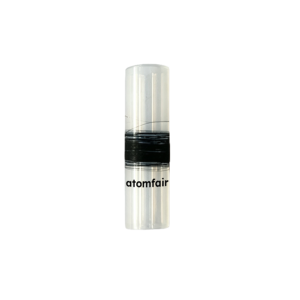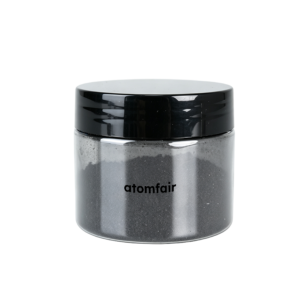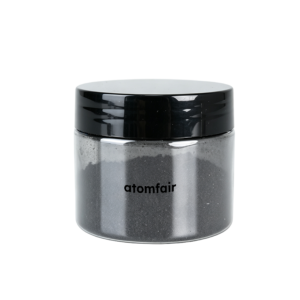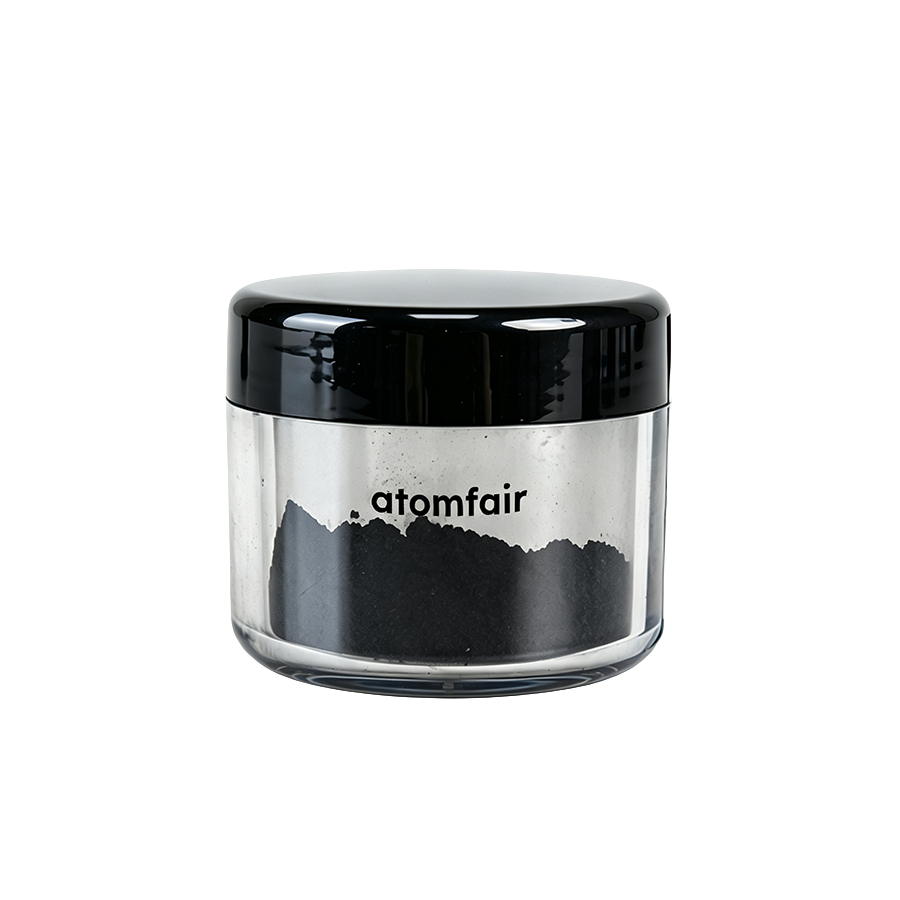
aqueous single-walled carbon nanotube conductive paste, 1.0±0.1 wt% content, OD 1.4±0.5 nm; Lengthum>100; Dispersant Content 0.6±0.03 wt%Product Type: Single-walled carbon nanotube material
Research-grade laboratory product
|
|||||||||||||||||||||||||||
|
|||||||||||||||||||||||||||
|
LABORATORY PROCUREMENT SUPPORT
For model selection, material specification matching, application fit or quotation confirmation, contact our technical sales team.
E-MAIL: inquiry@atomfair.com
|
|||||||||||||||||||||||||||
|
Supplier: Atomfair
Brand: ATOMFAIR®
|
Manufacturer: Atomfair LLC
Brand: ATOMFAIR®
This aqueous dispersion of single-walled carbon nanotubes has a specified pH range of 5.0-9.0 and contains trace metal impurities at defined ppb levels. The paste's solid content (1.0±0.1 wt%) and viscosity (≤5000 mPa·s) impose processing constraints for coating or mixing applications.
- pH Range: The pH range of 5.0-9.0 limits compatibility with acidic or alkaline formulations and may require adjustment for specific substrates.
- Metal Impurity Content: Trace levels of Cr, Cu, Fe, Mn, Ni, and Zn at ppb concentrations must be considered for high-purity electronic or sensor applications.
- Viscosity Constraint: The viscosity specification of ≤5000 mPa·s affects the paste's flow behavior and may require dilution or surfactant addition prior to use.
- Solid Content: The solid content of 1.0±0.1 wt% determines the nanotube loading and must be verified for consistent formulation performance.
How does the high aspect ratio of these aqueous SWCNTs affect dispersion stability in water-based formulations?
The high aspect ratio (outside diameter 1.4±0.5 nm, length >100 µm) enhances percolation at low loading but increases risk of entanglement and settling. The paste uses 0.6±0.03 wt% dispersant and a pH of 5.0–9.0 to maintain stability, so deviations in pH or dispersant concentration may cause agglomeration, particularly in long-term storage or high-shear processing.
What are the metal impurity levels in this SWCNT paste and can it be used directly in high-purity electrode fabrication?
The paste reports magnetized metal impurities at ppb levels: Cr 1.22, Cu 0.331, Fe 3, Mn 6.3, Ni 0, Zn 0. These low concentrations are acceptable for most research electrode applications, but for processes requiring ultra-high purity (e.g., semiconductor-grade devices), additional purification steps may be needed to avoid trace metal contamination.
What is the viscosity of this aqueous SWCNT paste and how does it influence coating or printing processes?
The paste has a viscosity ≤5000 mPa·s and a solid content of 1.0±0.1 wt%, making it a low-viscosity, water-based fluid. This consistency suits slot-die, spray, or inkjet deposition, but the high solvent volume requires careful drying control to avoid coffee-ring effects and ensure uniform film formation.
This aqueous single-walled carbon nanotube conductive paste (1.0±0.1 wt% solid content, OD 1.4±0.5 nm, length >100 μm) provides a high-aspect-ratio nanocarbon dispersion for conductive coating or composite preparation, but requires careful pH management (5.0–9.0) and viscosity monitoring (≤5000 mPa·s) to maintain stability and avoid sedimentation during formulation.
Positive
- High aspect ratio SWCNT dispersion: Outside diameter of 1.4±0.5 nm and length >100 μm provide a high aspect ratio, enhancing percolation network formation at low loading in conductive films or composite electrodes.
- Controlled dispersant content for stability: Dispersant content of 0.6±0.03 wt% is specified to maintain colloidal stability in aqueous systems, reducing aggregation risk during storage and handling.
Trade-offs
- Narrow pH operating window: The specified pH range of 5.0–9.0 requires buffering or adjustment in formulations; deviations may destabilize the dispersion or alter nanotube surface chemistry.
- Viscosity constraint limits processing: Viscosity ≤5000 mPa·s imposes a maximum concentration or shear rate for coating and mixing; higher viscosities may require dilution or specialized equipment to avoid clogging or uneven deposition.
Every advanced material, component, equipment, and instrument in our catalog is backed by rigorous testing. We maintain strict internal quality management frameworks and align with CE conformity metrics to deliver transparent, reproducible performance data via our public open-science repository.
To request raw batch performance data, submit formal vendor registration paperwork, or execute a fast-turnaround R&D manufacturing loop, contact us at inquiry@atomfair.com.
Item is dispatched under the Atomfair Shipping & Delivery Framework (Free worldwide shipping on orders over $59 USD excl. heavy equipment). Return is governed by the Atomfair Return & Refund Policy (7-day technical return window).