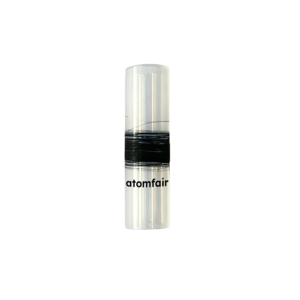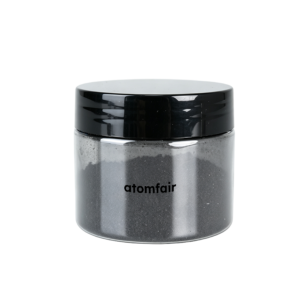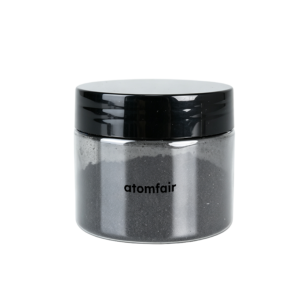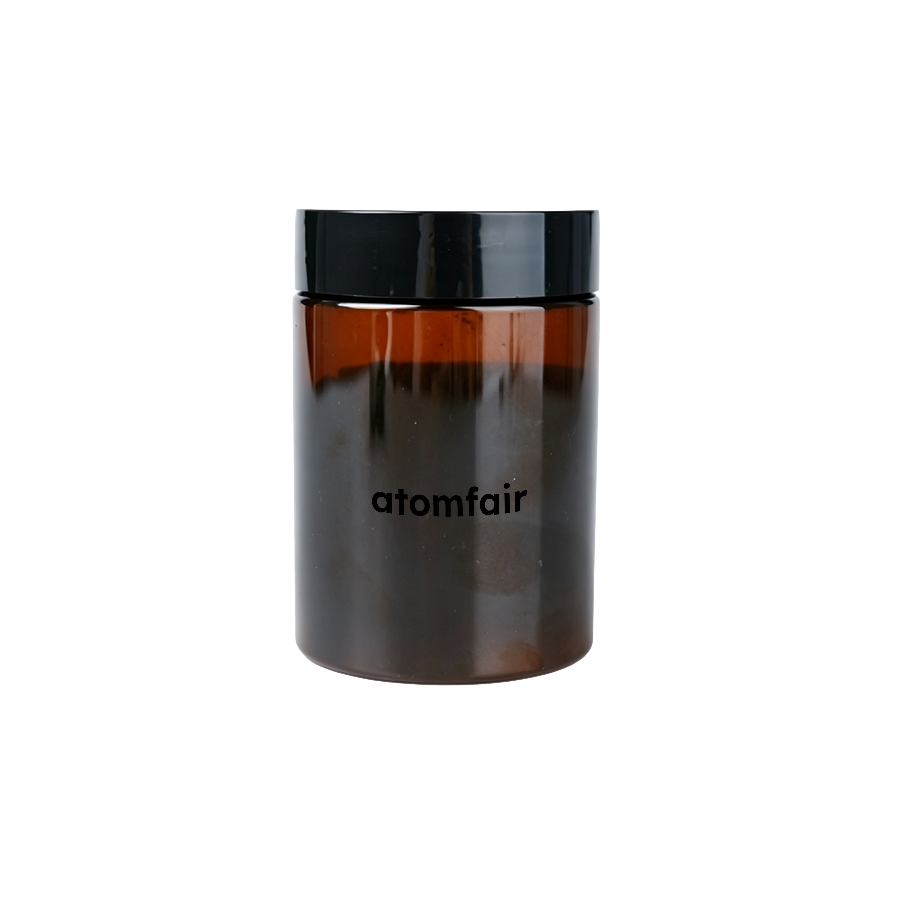
Hydroxylate Long Multi-walled Carbon Nanotubes, OD 4-6 nm, length 10-20um, purity >98%Product Type: Multi-walled carbon nanotube material
Research-grade laboratory product
|
|||||||||||||||||||
|
|||||||||||||||||||
|
LABORATORY PROCUREMENT SUPPORT
For model selection, material specification matching, application fit or quotation confirmation, contact our technical sales team.
E-MAIL: inquiry@atomfair.com
|
|||||||||||||||||||
|
Supplier: Atomfair
Brand: ATOMFAIR®
|
Manufacturer: Atomfair LLC
Brand: ATOMFAIR®
Selection of this hydroxylated multi-walled carbon nanotube powder must be based on outer diameter, length, purity, and functionalization to match the target dispersion, composite, or electrode workflow. The material's specifications must be confirmed before quotation to ensure compatibility with the intended application.
- Dimensional Verification: The outer diameter of 4-6 nm and length of 10-20 um must be verified to match the experimental requirements.
- Purity Confirmation: Purity greater than 98% must be confirmed to avoid impurities that could affect results.
- Functional Group Compatibility: The hydroxyl functional group must be selected for compatibility with the intended dispersion or composite matrix.
- Workflow Matching: The material form and dimensional specification must be matched to the intended dispersion, composite, film, electrode, or conductivity workflow.
How does the hydroxyl functionalization of these MWCNTs compare to other functional groups for dispersion in composite matrices?
The product is specifically designed as a hydroxylated multi-walled carbon nanotube for dispersion and composite workflows. The selection notes indicate that pristine, hydroxylated, carboxylated, amino-modified, and other grades can be matched to dispersion, electrode, composite, or conductivity workflows, suggesting the hydroxyl group is optimized for polar systems. The exact performance trade-off should be evaluated by matching the material to the intended workflow and consulting with the technical sales team.
What are the critical dimensional constraints for integrating these hydroxylated MWCNTs into electrode slurries?
The product has an outer diameter of 4-6 nm and a length of 10-20 um, which are the specified dimensional parameters for model matching. The selection notes advise matching the dimensional specification to the intended dispersion, composite, film, electrode, or conductivity workflow. These dimensions affect the aspect ratio and percolation threshold, and the >98% purity ensures minimal interference from contaminants.
What safety or storage documentation is provided with these hydroxylated MWCNTs?
The product description does not include specific handling or storage instructions. It is a research-grade laboratory product, and the manufacturer Atomfair LLC provides technical support for model selection and application fit. For safety data sheets, storage conditions, and handling protocols, users are directed to contact the technical sales team at inquiry@atomfair.com, as stated in the description.
Hydroxylate-functionalized multi-walled carbon nanotubes with OD 4-6 nm, length 10-20 µm, and >98% purity are evaluated for dispersion and composite integration workflows, where the hydroxyl surface groups enhance compatibility with polar matrices but require careful handling to avoid agglomeration.
Positive
- Hydroxyl functionalization for polar compatibility: The hydroxyl (-OH) groups on the nanotube surface improve dispersibility in polar solvents and polymer matrices, facilitating integration into composite, film, or electrode formulations without additional surface modification steps.
- High purity >98% reduces contamination risk: Purity exceeding 98% minimizes amorphous carbon and metal catalyst residues, which is critical for reproducible electrical conductivity and electrochemical performance in research-grade nanocarbon applications.
Trade-offs
- Agglomeration tendency in dry form: Multi-walled carbon nanotubes with high aspect ratio (length 10-20 µm, OD 4-6 nm) are prone to van der Waals agglomeration, requiring sonication or surfactant-assisted dispersion protocols to achieve uniform suspension in laboratory workflows.
- Handling precautions for airborne particles: As a fine powder with nanoscale diameter, the material poses inhalation risks; proper fume hood use and personal protective equipment are necessary during weighing and transfer to prevent respiratory exposure.
Every advanced material, component, equipment, and instrument in our catalog is backed by rigorous testing. We maintain strict internal quality management frameworks and align with CE conformity metrics to deliver transparent, reproducible performance data via our public open-science repository.
To request raw batch performance data, submit formal vendor registration paperwork, or execute a fast-turnaround R&D manufacturing loop, contact us at inquiry@atomfair.com.
Item is dispatched under the Atomfair Shipping & Delivery Framework (Free worldwide shipping on orders over $59 USD excl. heavy equipment). Return is governed by the Atomfair Return & Refund Policy (7-day technical return window).