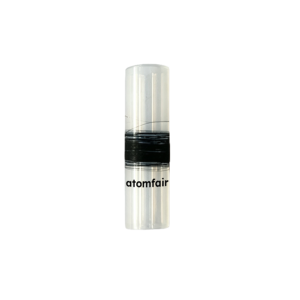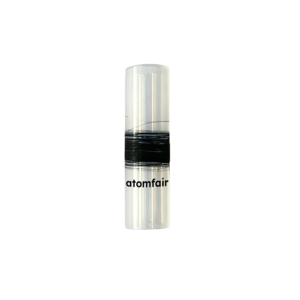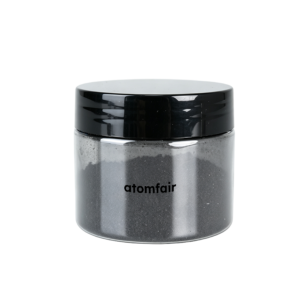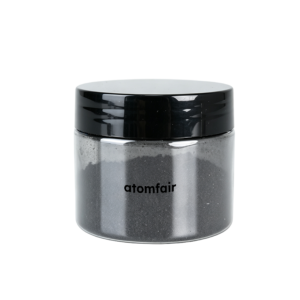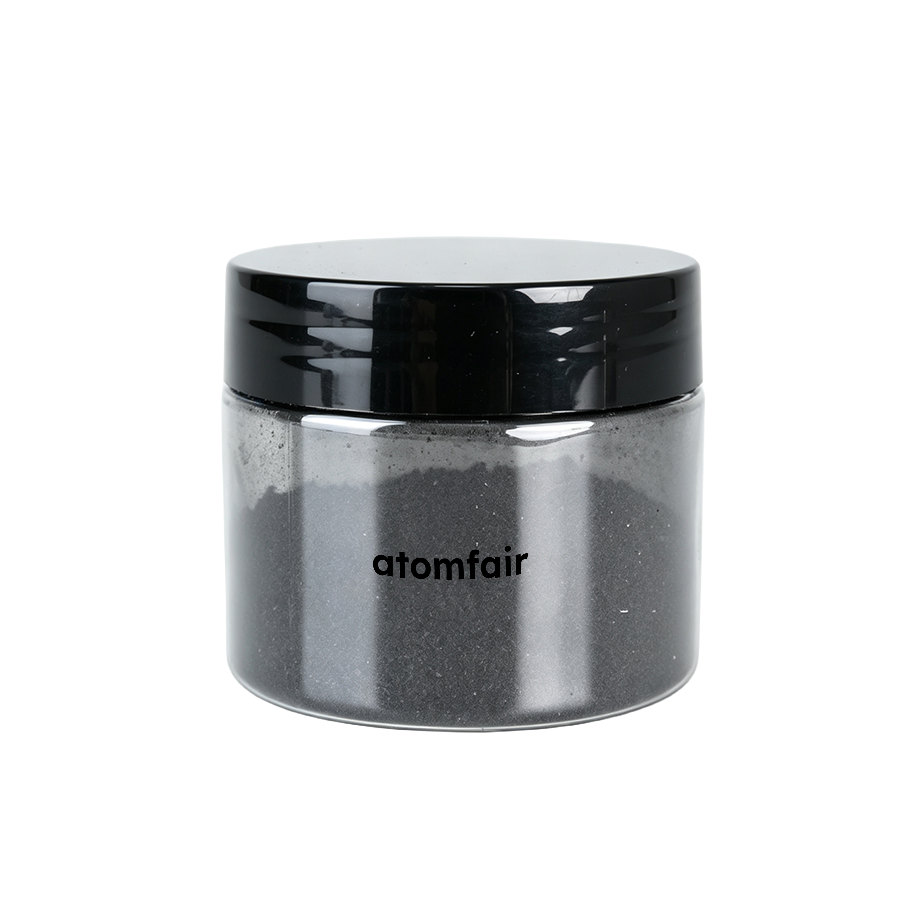
Highlyconductive single-walledcarbon nanotubes, OD 1-2 nm, length 5-30um; Cond>2000 s/cm; SSA>1075 m2/gor; SSA>600 m2/g, purity >95%Product Type: Single-walled carbon nanotube material
Research-grade laboratory product
|
|||||||||||||||||||
|
|||||||||||||||||||
|
LABORATORY PROCUREMENT SUPPORT
For model selection, material specification matching, application fit or quotation confirmation, contact our technical sales team.
E-MAIL: inquiry@atomfair.com
|
|||||||||||||||||||
|
Supplier: Atomfair
Brand: ATOMFAIR®
|
Manufacturer: Atomfair LLC
Brand: ATOMFAIR®
Processing requires matching the material's dimensional and functionalization specifications to the intended dispersion or composite workflow. Compatibility with solvents, matrices, and electrode formulations must be validated to achieve the specified conductivity and surface area performance.
- Dimensional matching: Select outer diameter and length specifications that align with the target dispersion viscosity or film thickness requirements.
- Functionalization compatibility: Choose the appropriate functional group—pristine, hydroxylated, carboxylated, or others—to ensure chemical compatibility with the intended solvent or polymer matrix.
- Purity and surface area: Verify material purity and surface area meet the minimum thresholds to achieve the specified conductivity and dispersion uniformity.
- Conductivity threshold: Conductivity above 2000 S/cm is contingent on proper dispersion and alignment; assess processing conditions to avoid network degradation.
- Workflow integration: Match the material's form and functionalization to the intended application—dispersion, composite, electrode, or film—to ensure performance.
What is the significance of the two specific surface area specifications (>1075 m2/g and >600 m2/g) for this SWCNT product, and how does it affect conductivity?
The product is specified with conductivity >2000 S/cm and two possible specific surface area values: >1075 m2/g or >600 m2/g. The source does not explain a direct trade-off, but the higher SSA value (>1075 m2/g) typically indicates a higher degree of exfoliation or smaller bundle size, which can improve dispersion in solvents and polymers. Both SSA grades meet the same conductivity threshold, so the choice may be driven by application-specific dispersion requirements rather than conductivity performance.
Which functionalization grades are available for this SWCNT material, and how do they influence compatibility with different research workflows?
The product can be supplied in pristine, hydroxylated, carboxylated, amino-modified, graphitized, doped, and coated grades. The source states that these grades can be matched to dispersion, electrode, composite, or conductivity workflows. The specific functional group affects compatibility with solvents, polymers, and target applications; for example, carboxylated grades are often used for aqueous dispersion, while pristine grades may be better for organic solvents. The exact functionalization should be confirmed with the technical sales team.
What are the recommended handling and storage practices for this research-grade SWCNT powder?
The product description identifies this as a research-grade CNT powder but does not provide specific handling or storage instructions. Standard laboratory safety protocols for fine particulate nanomaterials, including use in a fume hood or glovebox and storage in a sealed, dry container, are recommended. For detailed safety data sheets and handling guidelines, contact the manufacturer Atomfair LLC.
This single-walled carbon nanotube material (model AF-SWCNT-S30-P2000) offers an outer diameter of 1-2 nm, length 5-30 µm, conductivity >2000 S/cm, and specific surface area options of >1075 m²/g or >600 m²/g at >95% purity, making it suitable for high-performance electrode, composite, and conductive film applications.
Positive
- High electrical conductivity: Conductivity exceeding 2000 S/cm enables low-resistance pathways in conductive films, electrodes, and composite formulations, reducing percolation thresholds.
- Large specific surface area options: SSA >1075 m²/g or >600 m²/g provides high interfacial contact area for charge storage, catalysis, or adsorption in energy and filtration applications.
Trade-offs
- Handling requires dispersion expertise: Single-walled carbon nanotubes require specialized dispersion protocols (e.g., surfactant or solvent selection, sonication) to achieve uniform suspensions without aggregation.
- Purity-dependent performance variability: Purity >95% leaves up to 5% residual catalyst or amorphous carbon, which may affect electronic properties or require additional purification for sensitive applications.
Every advanced material, component, equipment, and instrument in our catalog is backed by rigorous testing. We maintain strict internal quality management frameworks and align with CE conformity metrics to deliver transparent, reproducible performance data via our public open-science repository.
To request raw batch performance data, submit formal vendor registration paperwork, or execute a fast-turnaround R&D manufacturing loop, contact us at inquiry@atomfair.com.
Item is dispatched under the Atomfair Shipping & Delivery Framework (Free worldwide shipping on orders over $59 USD excl. heavy equipment). Return is governed by the Atomfair Return & Refund Policy (7-day technical return window).