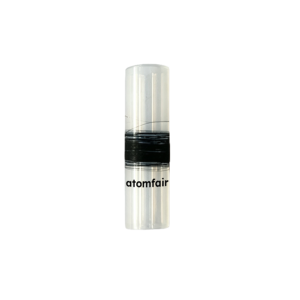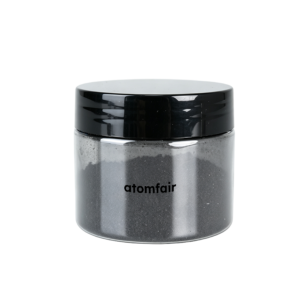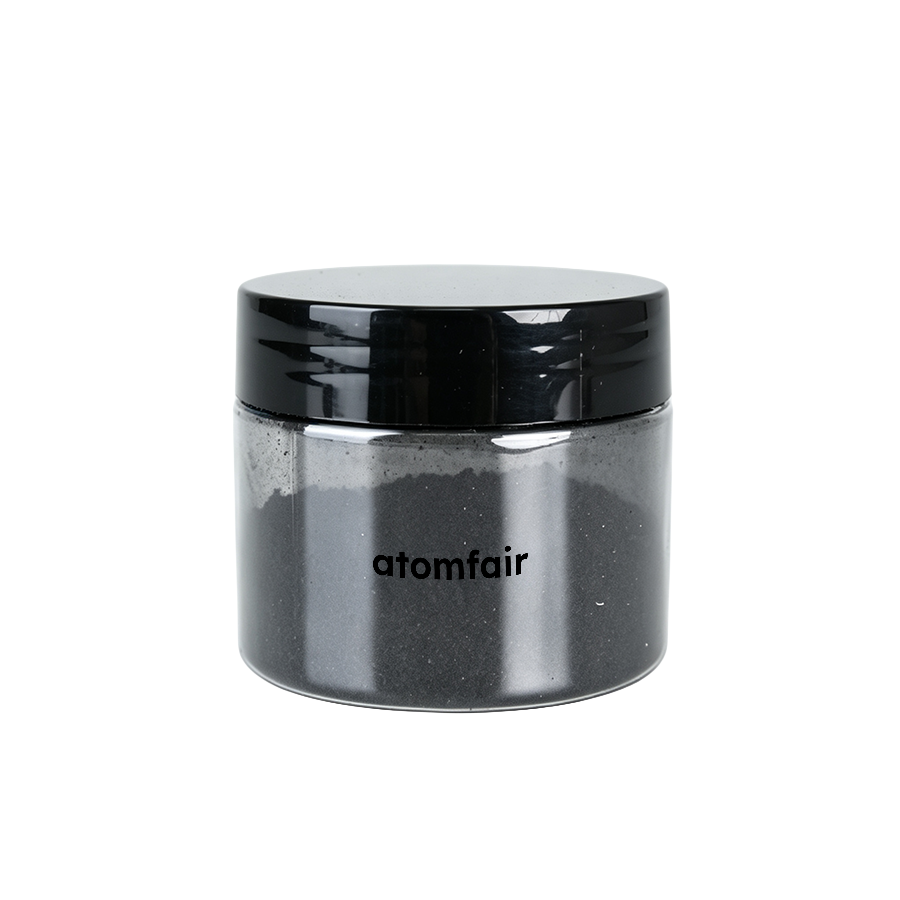
High Purified Hydroxylate Single-walled carbon nanotubes, OD 1-2 nm, length 1-3um, purity >95%Product Type: Single-walled carbon nanotube material
Research-grade laboratory product
|
|||||||||||||||||||||
|
|||||||||||||||||||||
|
LABORATORY PROCUREMENT SUPPORT
For model selection, material specification matching, application fit or quotation confirmation, contact our technical sales team.
E-MAIL: inquiry@atomfair.com
|
|||||||||||||||||||||
|
Supplier: Atomfair
Brand: ATOMFAIR®
|
Manufacturer: Atomfair LLC
Brand: ATOMFAIR®
What is the typical aspect ratio of these hydroxylated SWCNTs and how does it influence their percolation threshold in composite applications?
The outer diameter is 1-2 nm and length is 1-3 µm, yielding an aspect ratio of approximately 500 to 3000. High aspect ratio SWCNTs lower the percolation threshold in conductive composites, but the exact threshold depends on dispersion quality and polymer matrix.
Can these hydroxylated SWCNTs be used directly in electrode fabrication for supercapacitors or batteries?
Yes, the product is suitable for electrode applications. The material form as powder can be processed into films or coatings. The outer diameter of 1-2 nm and length of 1-3 µm are typical dimensions for SWCNT electrodes. However, the exact electrochemical performance will depend on the electrode formulation, binder, and preparation method.
Is additional purification required before use given the >95% purity?
The >95% purity indicates that the as-received material is suitable for most research applications without additional purification. The source does not provide a detailed impurity profile, so users should assess if further purification is needed for applications requiring extremely low metal catalyst residue or amorphous carbon. Standard laboratory handling is recommended.
This high-purity hydroxylate single-walled carbon nanotube material (OD 1-2 nm, length 1-3 µm, purity >95%) is evaluated for its suitability in dispersion, composite, film, electrode, and conductivity research workflows, with the hydroxyl functional group providing a specific surface chemistry advantage for targeted applications.
Positive
- High purity and narrow diameter range: Purity >95% with outer diameter 1-2 nm ensures consistent electronic and mechanical properties for reproducible experimental results in nanocarbon research.
- Hydroxyl functionalization for dispersion: The hydroxylate surface modification enhances dispersibility in polar solvents and polymer matrices, facilitating integration into composite or electrode formulations without aggressive sonication.
Trade-offs
- Short length limits percolation networks: Length of 1-3 µm may require higher loading fractions to achieve electrical percolation in composites compared to longer nanotubes, increasing material cost and processing complexity.
- Requires careful handling and storage: As a high-surface-area nanomaterial, it is susceptible to moisture absorption and aggregation if not stored under inert conditions, necessitating proper laboratory protocols to maintain functional group integrity.
Every advanced material, component, equipment, and instrument in our catalog is backed by rigorous testing. We maintain strict internal quality management frameworks and align with CE conformity metrics to deliver transparent, reproducible performance data via our public open-science repository.
To request raw batch performance data, submit formal vendor registration paperwork, or execute a fast-turnaround R&D manufacturing loop, contact us at inquiry@atomfair.com.
Item is dispatched under the Atomfair Shipping & Delivery Framework (Free worldwide shipping on orders over $59 USD excl. heavy equipment). Return is governed by the Atomfair Return & Refund Policy (7-day technical return window).