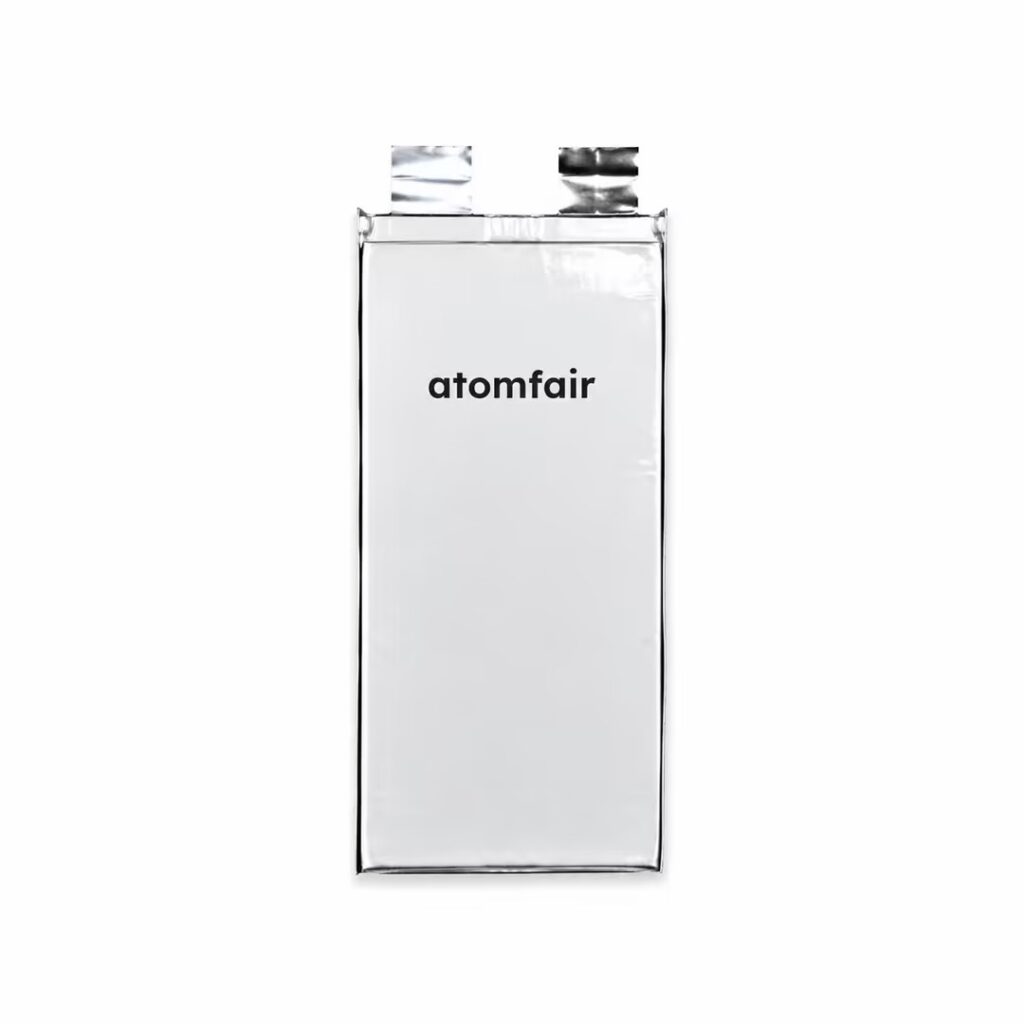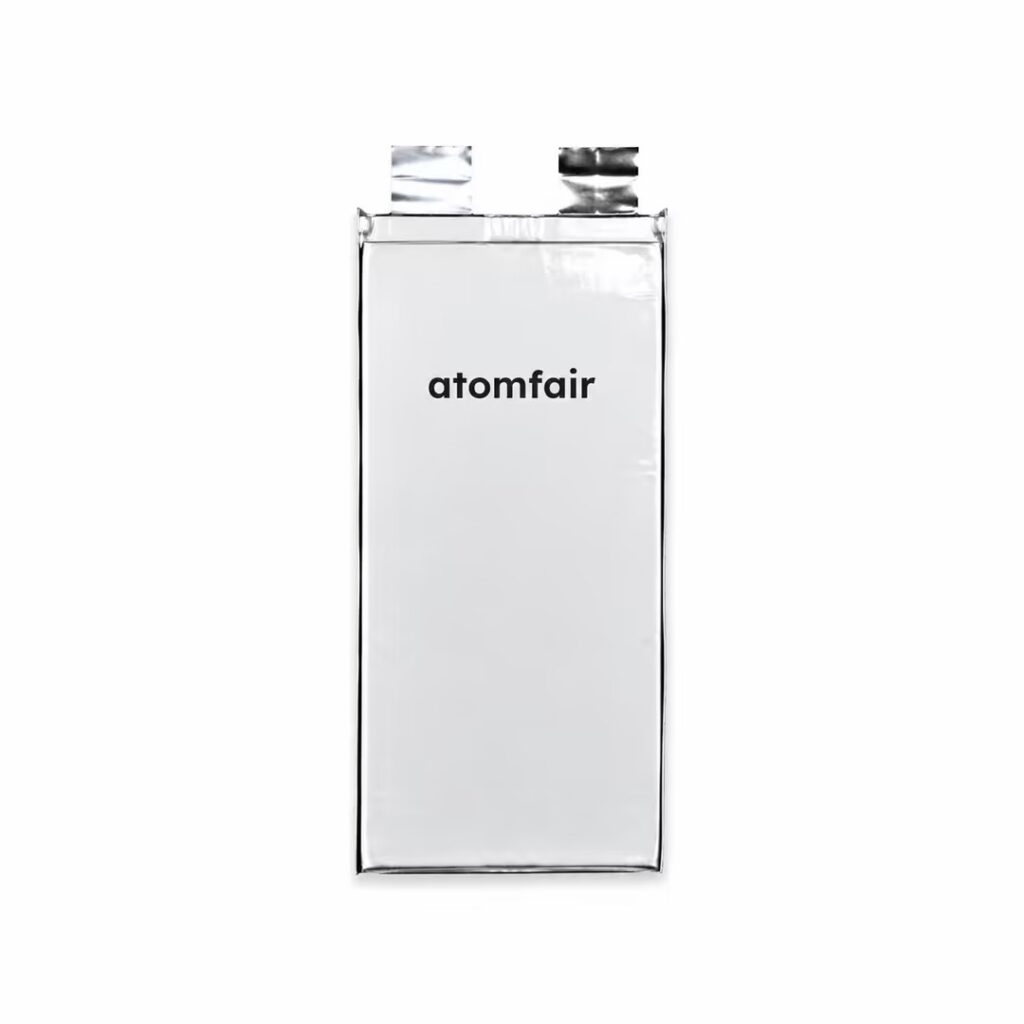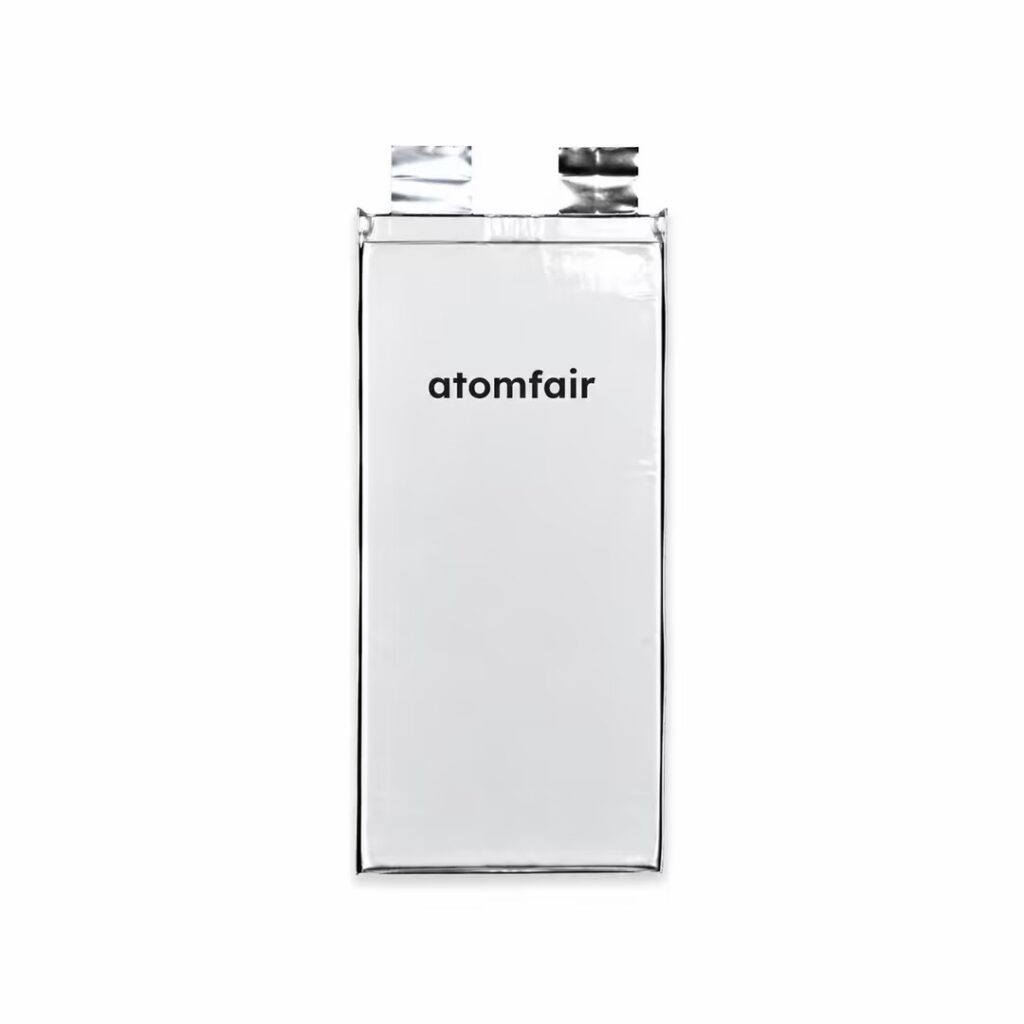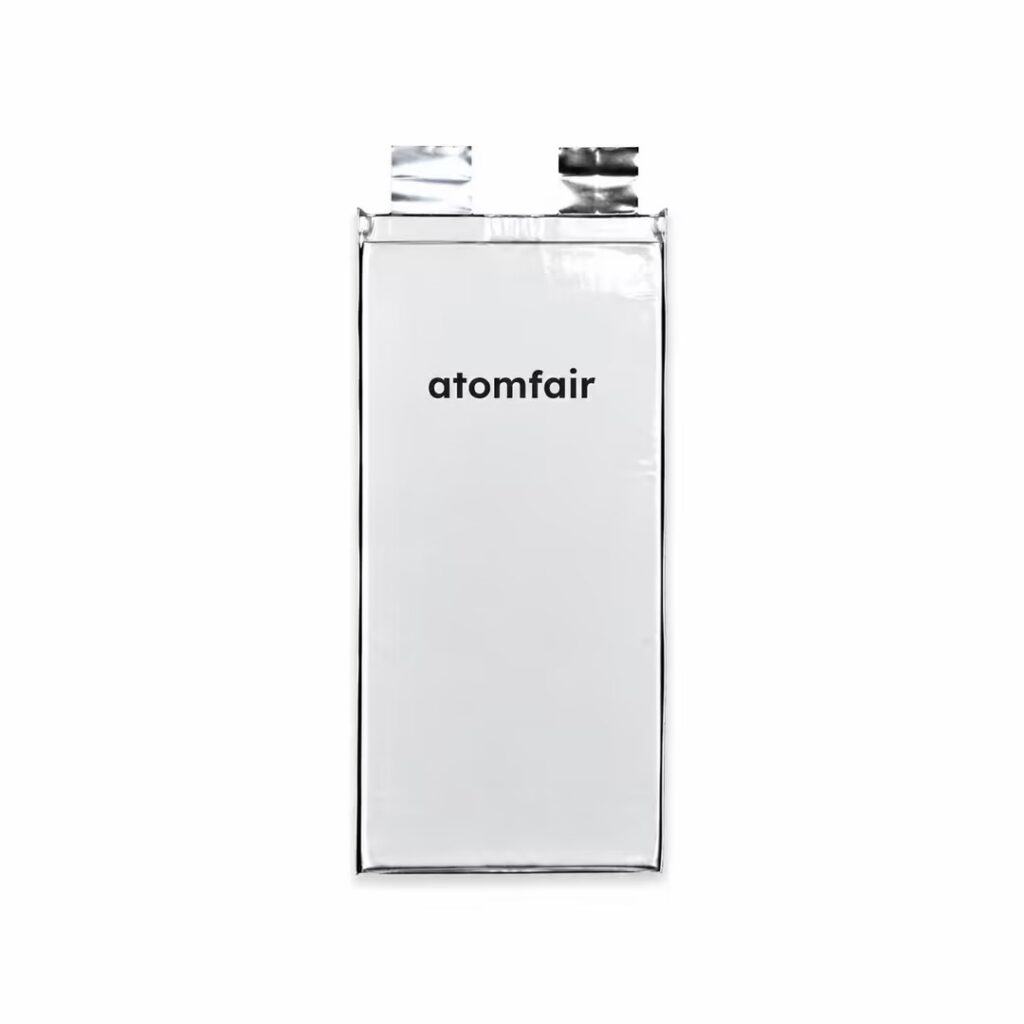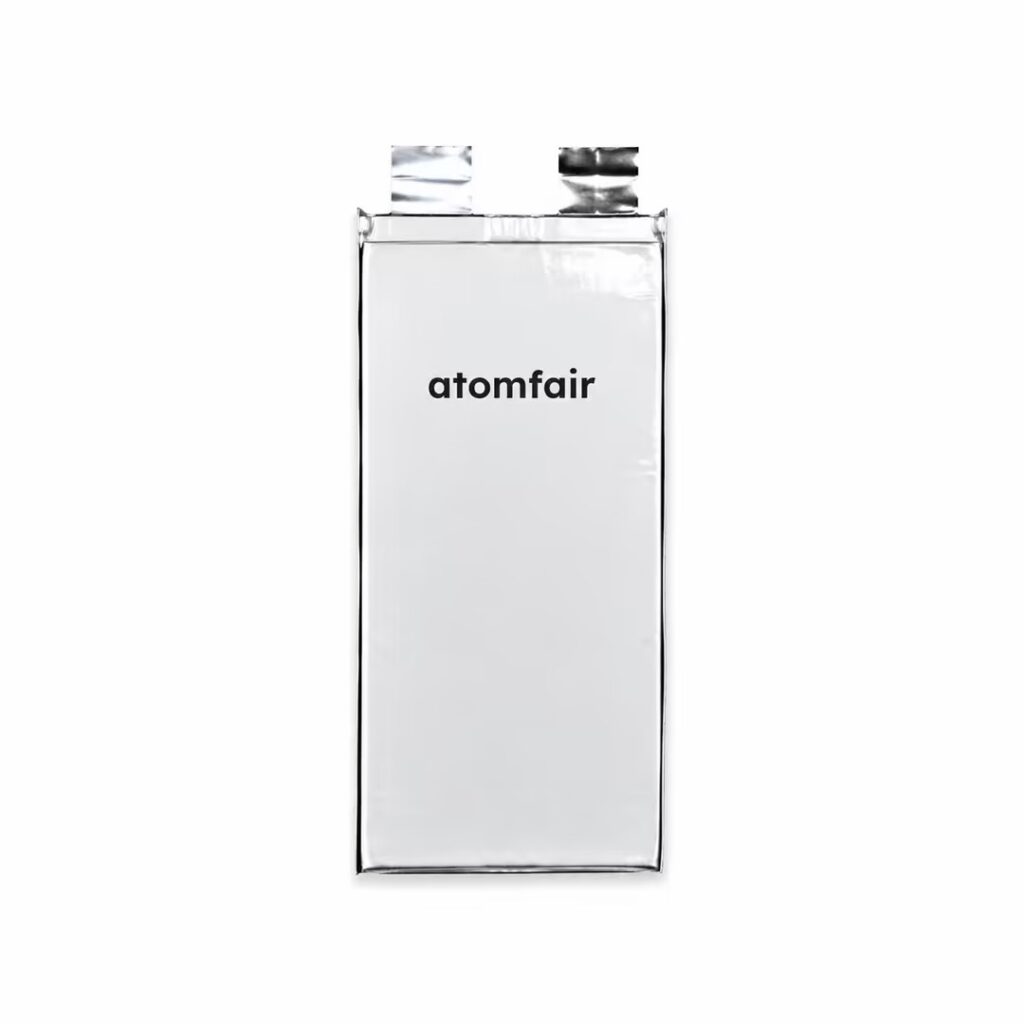
310 Wh/kg High Energy Density Lithium-Ion Pouch Cell | ATOMFAIRCOMMERCIAL GRADE · PRODUCTION
|
|||||||||||||||||||||||||||||||||||||||||||||||||||
|
|||||||||||||||||||||||||||||||||||||||||||||||||||
|
TAILORED SOLUTIONS FOR RESEARCH
Contact our engineering team for technical support or official institutional quotations.
EMAIL: INQUIRY@ATOMFAIR.COM
|
|||||||||||||||||||||||||||||||||||||||||||||||||||
|
MANUFACTURER: ATOMFAIR LLC
BRAND: ATOMFAIR®
|
|||||||||||||||||||||||||||||||||||||||||||||||||||
This high-energy-density lithium-ion pouch cell requires strict environmental and handling controls to prevent degradation and safety hazards. Storage must be in dry, ventilated conditions within a 15°C to 30°C range, and cells must remain in original packaging until integration.
- Storage Environment: Store cells in dry, ventilated environments between 15°C and 30°C to prevent thermal degradation.
- Packaging Integrity: Keep cells in original isolation wrappers until final integration to avoid moisture ingress.
- Charge Temperature Limit: Charge the cell only within 0°C to 45°C to prevent damage.
- Discharge Temperature Limit: Discharge the cell only within -20°C to 60°C to maintain performance.
- Safety Precautions: Never disassemble the pouch or expose terminals to open flame to prevent thermal runaway.
This procedure outlines safe storage and integration steps for high-energy-density lithium-ion pouch cells to prevent thermal runaway and degradation. Follow these steps before connecting the cell to any system.
Required Equipment: Multi-channel management card with overcurrent and sub-zero charge cutoff relays
- Preserve Original Packaging
Keep the cell stored within its original environmental isolation wrapper until final system integration. - Secure Storage Environment
Secure the cell string within a dry, ventilated storage space maintained between 15°C and 30°C. - Connect to Management System
Map the cell's active matrix to a multi-channel management card with integrated overcurrent and sub-zero charge cutoff relays.
What is the impact of the SiOx content on the cycle life and volume stability of this 310 Wh/kg pouch cell?
The cell uses an NMC / Gr + SiOx chemistry to achieve ≥310 Wh/kg gravimetric energy density. The SiOx addition enhances energy density but is associated with volume expansion during cycling; the manufacturer specifies a cycle life of ≥500 cycles at 0.5C/0.5C under 25°C with coulombic efficiency >99.5%. The operational compliance notice explicitly warns that high-density composite pouch cells are vulnerable to internal volume expansion shifts, indicating that volume stability must be managed through mechanical design and BMS integration.
What BMS or protection circuit requirements are necessary for safe operation of this ATOMFAIR pouch cell?
Safe operation requires a multi-channel management card with integrated overcurrent and sub-zero charge cutoff relays. The cell's charge temperature range is 0°C to 45°C, and discharge from -20°C to 60°C. The compliance notice specifically advises mapping active matrices exclusively to such management cards, and notes that high-density pouch cells are vulnerable to localized overcharge potentials and mechanical stress damage.
What are the recommended storage conditions and handling precautions for this lithium-ion pouch cell?
Store cells within their original environmental isolation wrappers until final system integration. Keep them in dry, ventilated storage spaces maintained at a constant 15°C to 30°C thermal envelope. Never disassemble the pouch structure or expose terminals to open flame. The cell's discharge temperature range is -20°C to +60°C, but storage at extreme temperatures may accelerate degradation as per the product's operational compliance notice.
This NMC/Gr+SiOx pouch cell delivers 310 Wh/kg and 700 Wh/L energy densities with ≤1.6 mΩ internal resistance, supporting 3.0C continuous discharge and 5.0C pulse for 30s. The ≥500 cycle life at 0.5C/0.5C and wide discharge temperature range (-20°C to +60°C) make it suitable for high-energy applications, though charging is restricted to 0°C–45°C and the pouch requires careful mechanical and thermal management to mitigate volume expansion and overcharge risks.
Positive
- High gravimetric and volumetric energy density: 310 Wh/kg and 700 Wh/L using NMC/Gr+SiOx chemistry provides superior energy storage for weight- and volume-constrained applications such as EV main power arrays and portable electronics.
- Excellent rate capability and low internal resistance: Supports 3.0C continuous discharge and 5.0C pulse (30s) with ≤1.6 mΩ AC resistance, enabling high-power delivery and fast charge/discharge cycles with minimal ohmic losses.
Trade-offs
- Narrow charging temperature range: Charging is limited to 0°C to +45°C; below 0°C the cell cannot be charged, requiring thermal management in cold environments to avoid damage or safety risks.
- Mechanical and operational sensitivity: Pouch cells are vulnerable to internal volume expansion, overcharge potentials, and mechanical stress. They require careful storage (15–30°C, dry, ventilated) and must be paired with multi-channel BMS featuring overcurrent and sub-zero charge cutoff protection.
Every advanced material, component, equipment, and instrument in our catalog is backed by rigorous testing. We maintain strict internal quality management frameworks and align with CE conformity metrics to deliver transparent, reproducible performance data via our public open-science repository.
To request raw batch performance data, submit formal vendor registration paperwork, or execute a fast-turnaround R&D manufacturing loop, contact us at inquiry@atomfair.com.
Item is dispatched under the Atomfair Shipping & Delivery Framework (Free worldwide shipping on orders over $59 USD excl. heavy equipment). Return is governed by the Atomfair Return & Refund Policy (7-day technical return window).