Description
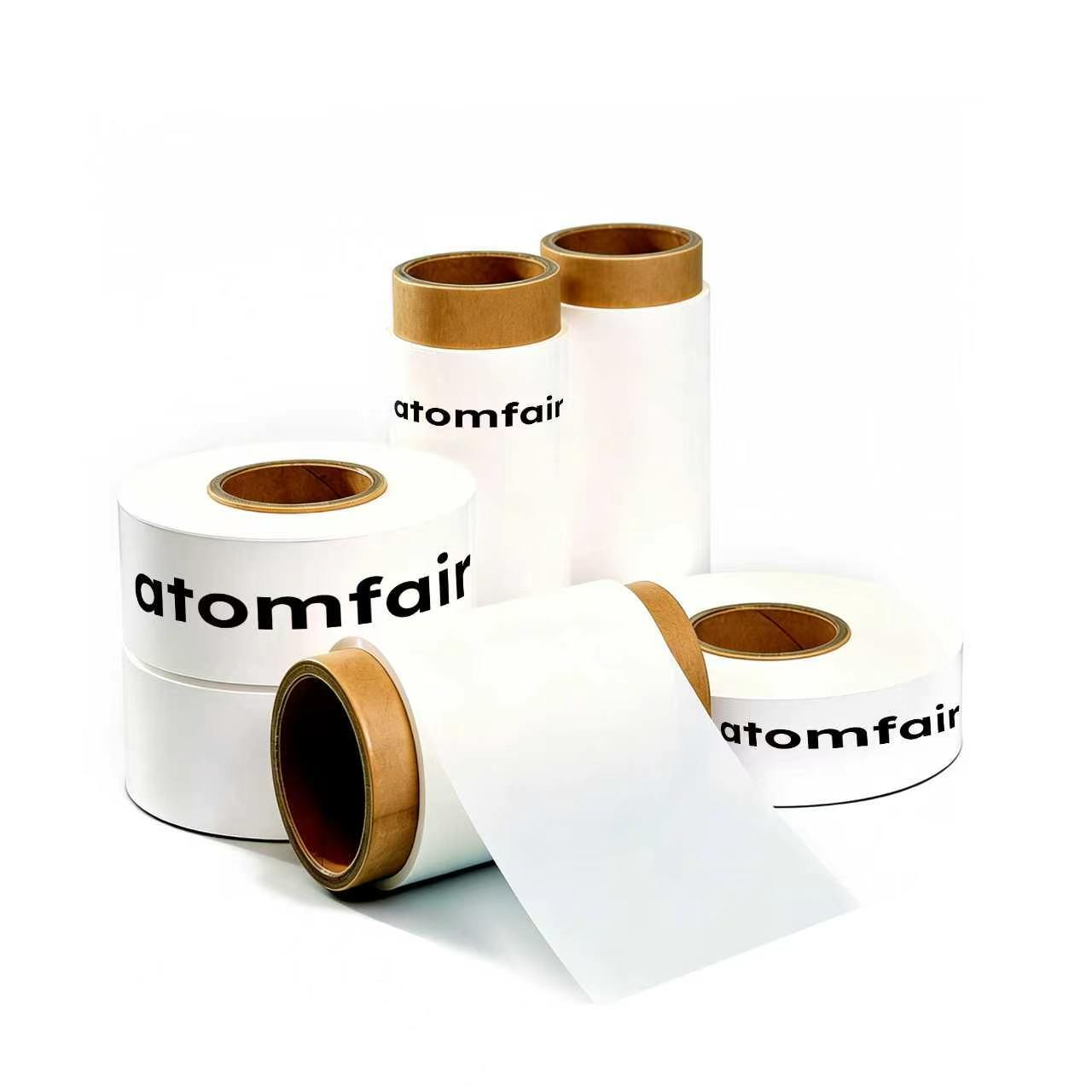
ATOMFAIR® PRE-CUT WHATMAN GLASS FIBER MEMBRANERESEARCH GRADE MATERIAL
|
|||||||||||||||||||||||||||||||||||||||
|
|||||||||||||||||||||||||||||||||||||||
|
TAILORED SOLUTIONS FOR RESEARCH
Contact our engineering team for technical support or official institutional quotations.
EMAIL: inquiry@atomfair.com
|
|||||||||||||||||||||||||||||||||||||||
|
Manufacturer: Atomfair LLC
Brand: ATOMFAIR®
|
|||||||||||||||||||||||||||||||||||||||
How does the 675 µm thickness and 121 g/m² mass density of the Atomfair glass fiber membrane affect electrolyte wetting and ionic transport in zinc-ion button cells?
The 675 µm thickness and 121 g/m² mass density provide high porosity and mechanical integrity, promoting rapid electrolyte wetting and uniform ion flux. This is supported by the air flow rate of 2.2 s/100ml/in², indicating excellent permeability essential for stable zinc-ion battery cycling.
Can the Atomfair glass fiber membrane be used interchangeably in lithium, sodium, zinc, and magnesium-ion CR20XX button cells without altering the electrolyte formulation?
Yes, the membrane serves as a reliable separator for lithium, sodium, zinc, and magnesium-ion battery systems, enabling cross-system material comparison experiments. The Whatman glass fiber, compliant with ISO 18782 laboratory filter material standards, ensures chemical inertness and mechanical stability across a range of electrolytes without requiring surface modifications.
What are the recommended handling and storage conditions to preserve the integrity of the pre-cut glass fiber membranes?
Membranes should be stored in their original packaging in a dry, clean environment at room temperature to avoid moisture absorption and contamination. The packaging meets international shipping standards and the membranes are ready-to-use, with dimensional accuracy conforming to ISO 286 tolerances, ensuring they can be directly handled with standard tweezers during CR20XX button cell assembly without risk of tearing.
This pre-cut Whatman glass fiber membrane provides consistent porosity and air permeability essential for reproducible button cell testing across lithium, sodium, zinc, and magnesium-ion systems, but its application is confined to CR20XX format with only two diameter options.
Positive
- Broad battery system compatibility: Serves as a reliable separator component for lithium, sodium, zinc, and magnesium-ion battery systems, enabling cross-system material performance comparison experiments.
- Pre-cut dimensions for CR20XX assembly: Ready-to-use design eliminates on-site cutting and trimming, improving assembly efficiency and reducing variability in button cell testing.
Trade-offs
- Limited to CR20XX button cell format: Exclusively engineered for CR20XX series button batteries, not suitable for pouch, cylindrical, or other cell formats without modification.
- Only two diameter options available: Supports only 16mm and 19mm diameters, which may not accommodate all custom or non-standard button cell configurations.
Every advanced material, component, equipment, and instrument in our catalog is backed by rigorous testing. We maintain strict internal quality management frameworks and align with CE conformity metrics to deliver transparent, reproducible performance data via our public open-science repository.
To request raw batch performance data, submit formal vendor registration paperwork, or execute a fast-turnaround R&D manufacturing loop, contact us at inquiry@atomfair.com.
Item is dispatched under the Atomfair Shipping & Delivery Framework (Free worldwide shipping on orders over $59 USD). Return is governed by the Atomfair Return & Refund Policy (7-day technical return window).