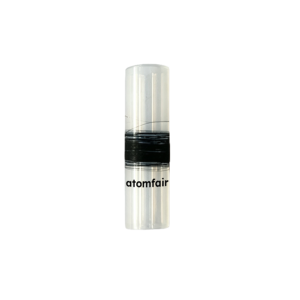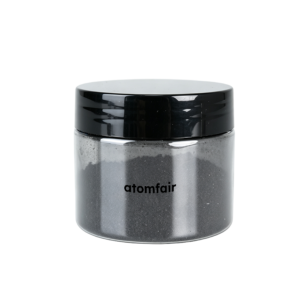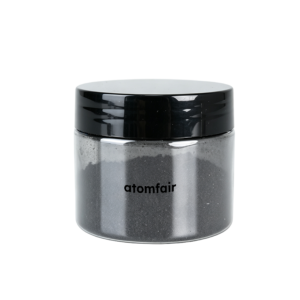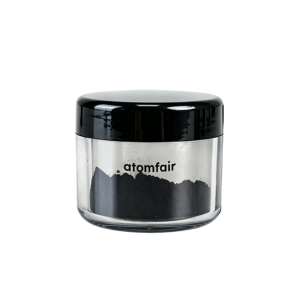
Short- Multi-walled Carbon Nanotubes, OD 30-50 nm,, length 0.5-2um, purity >95%Product Type: Multi-walled carbon nanotube material
Research-grade laboratory product
|
|||||||||||||||||||||
|
|||||||||||||||||||||
|
LABORATORY PROCUREMENT SUPPORT
For model selection, material specification matching, application fit or quotation confirmation, contact our technical sales team.
E-MAIL: inquiry@atomfair.com
|
|||||||||||||||||||||
|
Supplier: Atomfair
Brand: ATOMFAIR®
|
Manufacturer: Atomfair LLC
Brand: ATOMFAIR®
What is the aspect ratio of these short multi-walled carbon nanotubes given the specified outer diameter of 30–50 nm and length of 0.5–2 µm?
The aspect ratio is approximately 10:1 to 67:1, calculated from the outer diameter of 30–50 nm and length of 0.5–2 µm supplied in the source. This low aspect ratio is characteristic of short MWCNTs and directly influences dispersion behavior and percolation threshold in composite and electrode applications.
For which application workflows are these pristine short MWCNTs best suited, and when should functionalized grades be considered?
These pristine MWCNTs are ideal for non-polar solvent dispersions, conductive composites, and electrode formulations where native surface chemistry is acceptable. The source indicates that for aqueous or polar solvent systems, hydroxylated, carboxylated, or amino-modified grades are recommended, and functionalized grades can be matched to specific dispersion and electrode workflows.
What procurement steps are required to confirm the exact specifications and package size for this MWCNT product?
Before ordering, the buyer must confirm nanotube wall type, outer diameter, length, purity, functional group, and package size with the supplier. The source notes that bulk quantity requirements should be confirmed during quotation, ensuring the material matches the intended experimental workflow and laboratory procurement needs.
Short multi-walled carbon nanotubes with OD 30–50 nm, length 0.5–2 µm, and >95% purity are evaluated for use in dispersion, composite, electrode, and conductivity research. The dimensional range supports model matching for specific experimental workflows, but the short length and moderate purity impose constraints on mechanical reinforcement and electronic performance relative to longer or higher-purity grades.
Positive
- Controlled outer diameter range: OD 30–50 nm provides a consistent dimensional specification for matching to dispersion, composite, or electrode workflows where tube diameter affects surface area and percolation behavior.
- Short length for dispersion ease: Length 0.5–2 µm reduces entanglement and facilitates uniform dispersion in solvents or polymer matrices compared to longer MWCNTs, improving processability in lab-scale formulations.
Trade-offs
- Limited length for mechanical reinforcement: The 0.5–2 µm length range restricts load transfer efficiency in structural composites, where longer nanotubes (>5 µm) typically provide superior tensile strength and modulus enhancement.
- Moderate purity may affect sensitive applications: Purity >95% indicates up to 5% residual catalyst or amorphous carbon content, which can introduce variability in electronic transport measurements or catalytic studies requiring high-purity carbon surfaces.
Every advanced material, component, equipment, and instrument in our catalog is backed by rigorous testing. We maintain strict internal quality management frameworks and align with CE conformity metrics to deliver transparent, reproducible performance data via our public open-science repository.
To request raw batch performance data, submit formal vendor registration paperwork, or execute a fast-turnaround R&D manufacturing loop, contact us at inquiry@atomfair.com.
Item is dispatched under the Atomfair Shipping & Delivery Framework (Free worldwide shipping on orders over $59 USD excl. heavy equipment). Return is governed by the Atomfair Return & Refund Policy (7-day technical return window).