Description
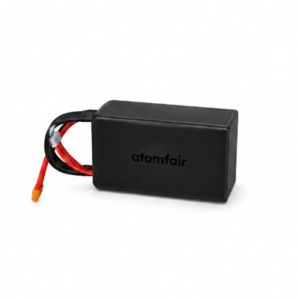
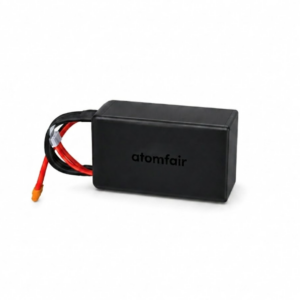
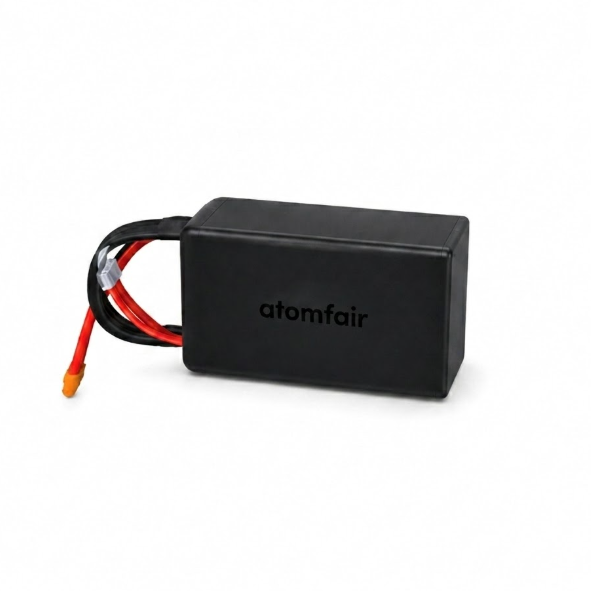
3.95V Semi-Solid Battery 300Wh/kg 35Ah Series | ATOMFAIRCOMMERCIAL GRADE · PRODUCTION
|
||||||||||||||||||||||||||||||||||||||||||||||||||||||||||||||
|
||||||||||||||||||||||||||||||||||||||||||||||||||||||||||||||
|
TAILORED SOLUTIONS FOR RESEARCH
Contact our engineering team for technical support or official institutional quotations.
EMAIL: inquiry@atomfair.com
|
||||||||||||||||||||||||||||||||||||||||||||||||||||||||||||||
|
Manufacturer: Atomfair LLC
Brand: ATOMFAIR®
|
This document outlines the environmental storage, safety, and handling constraints for the ATOMFAIR 3.95V Semi-Solid Battery 35Ah series. Adherence to these constraints is critical to prevent thermal runaway, leakage, and electrical hazards.
- BMS Compatibility: Always use a compatible Battery Management System with over-discharge, over-current, and cell balancing protection.
- Charge Voltage Range: Charge within the manufacturer's recommended voltage range to avoid overcharge damage.
- Temperature Exposure: Avoid exposing cells to excessive temperatures for extended periods to prevent thermal degradation.
- Pre-conditioning: Pre-condition new cells at a suitable temperature before first use to ensure optimal performance.
- Disposal: Dispose of cells in accordance with local regulations for lithium-ion batteries.
This guide provides step-by-step instructions for safely initializing, charging, and deploying the semi-solid battery pack. Follow these steps to ensure safe operation and maximize cycle life.
Required Equipment: Battery Management System (BMS) with over-discharge, over-current, and cell balancing protection, Compatible battery charger with appropriate voltage and current limits
- Inspect Packaging
Inspect the moisture-barrier packaging for any signs of damage or leakage before opening. - Pre-condition Cells
Pre-condition the battery pack at a suitable temperature before first use to ensure optimal performance. - Connect BMS
Connect a compatible Battery Management System to the battery pack ensuring proper over-discharge, over-current, and cell balancing connections. - Charge Within Range
Charge the battery pack using a compatible charger within the manufacturer's recommended voltage range. - Monitor Discharge Limits
During operation, monitor the discharge current and ensure the peak discharge rate of 8C is not sustained beyond the rated duration. - Avoid Temperature Extremes
Monitor the battery temperature during operation and avoid exposure to excessive heat for extended periods. - Dispose Properly
At end of life, dispose of the battery pack in accordance with local regulations for lithium-ion batteries.
How does the energy density of the 6S model compare to the 18S model, and what drives the difference?
The 6S model (AF3953506S) has an energy density of 295 Wh/kg, while the 18S model (AF3953518S) achieves 305 Wh/kg. The higher energy density in the 18S configuration results from reduced relative packaging overhead as more cells are stacked in series, improving system-level gravimetric energy density. All models share the same cell chemistry and 35Ah capacity.
What BMS specifications are required for the 18S configuration given its 71.1V nominal voltage?
The 18S model has a nominal voltage of 71.1V and a continuous discharge rate of 5C (175A) with an 8C peak (280A). A compatible BMS must support over-discharge, over-current, and cell balancing protection for an 18S lithium-ion battery at this voltage and current range. The BMS should also handle the peak discharge duration without exceeding rated limits.
What are the recommended storage and handling conditions for the semi-solid electrolyte pouch cells to ensure safety and longevity?
Store cells in moisture-barrier vacuum-sealed aluminum foil bags inside anti-static cartons. Avoid prolonged exposure to excessive temperatures. Pre-condition new cells at a suitable temperature before first use. Always use a compatible BMS with over-discharge, over-current, and cell balancing protection, and charge within the manufacturer's recommended voltage range.
The 3.95V Semi-Solid Battery series (35Ah) delivers 300 Wh/kg energy density with 1C/5C/8C rate capability, making it suitable for UAVs, robotics, and portable power stations. The semi-solid electrolyte improves safety, but the battery requires a compatible BMS and temperature preconditioning.
Positive
- Ultra-high energy density 300 Wh/kg: Enables extreme lightweight design for UAVs and portable devices, reducing payload and extending operational range.
- High rate capability up to 8C: Supports 1C charge, 5C continuous discharge, and 8C peak discharge, meeting demanding power requirements in robotics and electric equipment.
Trade-offs
- Requires compatible BMS protection: Must use a BMS with over-discharge, over-current, and cell balancing protection to ensure safe operation and prevent damage.
- Temperature preconditioning required: New cells must be pre-conditioned at a suitable temperature before first use, and extended exposure to excessive temperatures must be avoided.
Every advanced material, component, equipment, and instrument in our catalog is backed by rigorous testing. We maintain strict internal quality management frameworks and align with CE conformity metrics to deliver transparent, reproducible performance data via our public open-science repository.
To request raw batch performance data, submit formal vendor registration paperwork, or execute a fast-turnaround R&D manufacturing loop, contact us at inquiry@atomfair.com.
Item is dispatched under the Atomfair Shipping & Delivery Framework (Free worldwide shipping on orders over $59 USD). Return is governed by the Atomfair Return & Refund Policy (7-day technical return window).