Description
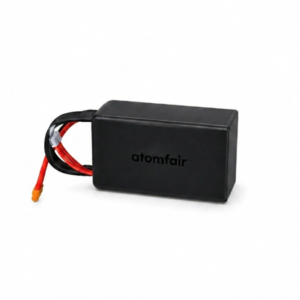
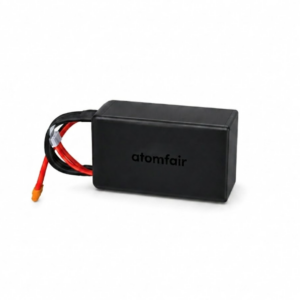
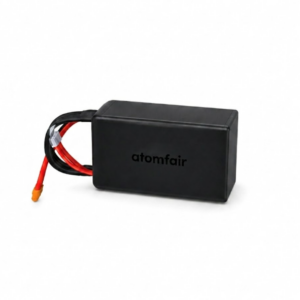
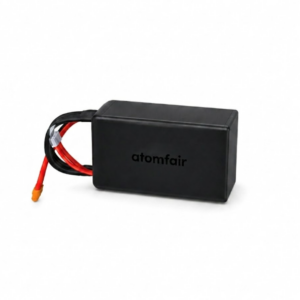
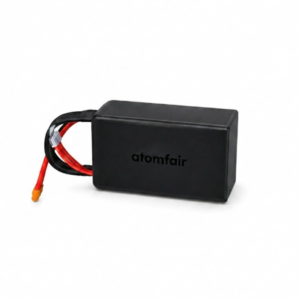
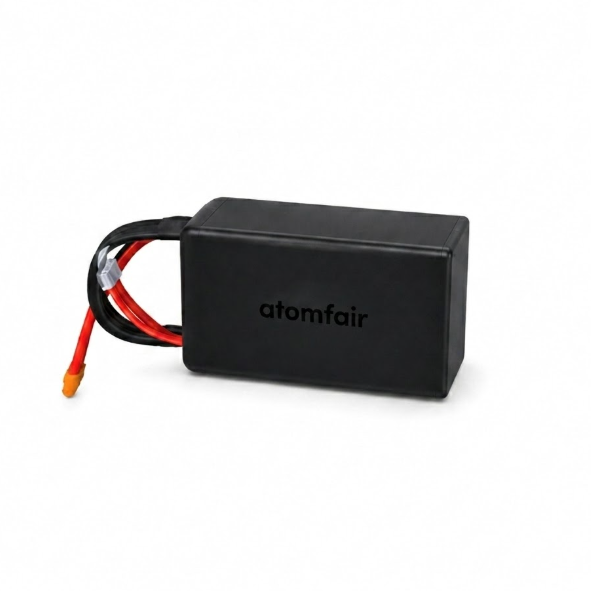
3.95V Semi-Solid Battery 250Wh/kg 25Ah Series | ATOMFAIRCOMMERCIAL GRADE · PRODUCTION
|
||||||||||||||||||||||||||||||||||||||||||||||||||||||||||||||
|
||||||||||||||||||||||||||||||||||||||||||||||||||||||||||||||
|
TAILORED SOLUTIONS FOR RESEARCH
Contact our engineering team for technical support or official institutional quotations.
EMAIL: inquiry@atomfair.com
|
||||||||||||||||||||||||||||||||||||||||||||||||||||||||||||||
|
Manufacturer: Atomfair LLC
Brand: ATOMFAIR®
|
This semi-solid battery cell demands strict compliance with charge and discharge current limits to prevent thermal damage. Storage and operation must avoid conditions that could compromise cell integrity or safety.
- Charge Current Limit: Do not exceed the manufacturer's maximum charge current rating to prevent overheating and degradation.
- Discharge Current Limit: Ensure continuous discharge current stays within the specified limit to avoid internal damage and capacity loss.
Follow these steps to safely initialize and operate the semi-solid battery cell. Proper setup ensures reliable performance and minimizes risk of thermal events.
Required Equipment: Programmable constant current/constant voltage charger, Battery management system (BMS) rated for 3.95V nominal cells
- Inspect Cell
Inspect the pouch cell for swelling, leakage, or physical damage before any electrical connection. - Connect BMS
Connect the cell to a BMS configured for the correct series count and voltage limits. - Set Charging Parameters
Set the charger to the recommended constant current and constant voltage profile for the cell's nominal voltage. - Verify Discharge Limits
Verify that the expected discharge current does not exceed the cell's continuous discharge rating. - Monitor Temperature
Monitor cell temperature during the first charge cycle to ensure it remains within safe operating limits.
How does the 280 Wh/kg energy density of the semi-solid battery compare to conventional lithium-ion pouch cells in terms of cycle life trade-off?
The 280 Wh/kg energy density is achieved using a semi-solid electrolyte, which inherently reduces liquid electrolyte volume and can improve thermal stability, but this design typically trades off against cycle life compared to liquid-electrolyte cells optimized for longevity. The product supports 2C charge and 5C continuous discharge, indicating it is engineered for high-rate applications rather than ultra-long cycle life, though specific cycle life data is not provided in the description.
Can the 3.95V 25Ah semi-solid battery be integrated into existing BMS systems designed for standard lithium-ion chemistries?
Yes, integration is feasible because the nominal voltage of 3.95V per cell is within the typical operating range of lithium-ion BMS platforms, but the semi-solid electrolyte may require adjusted charge/discharge profiles to avoid overpotential at high rates. The 2C charge and 5C continuous discharge rates are standard for many BMS units, though the peak 10C discharge must be verified against the BMS current-sensing and protection thresholds.
What are the specific storage and handling requirements for semi-solid electrolyte pouch cells to prevent electrolyte leakage or performance degradation?
These cells are shipped in moisture-barrier vacuum-sealed aluminum foil bags to prevent air and moisture ingress, which is critical because semi-solid electrolytes can be sensitive to humidity. Storage should be in a dry, temperature-controlled environment (typically 15–25°C) at partial state of charge (around 30–50%) to minimize calendar aging and avoid pressure buildup from gas evolution.
This 25Ah semi-solid pouch cell series delivers a high energy density of 280 Wh/kg and supports 2C charge and 5C continuous discharge across four voltage configurations, making it suitable for weight- and power-sensitive applications. However, the ±5% dimensional tolerance and moisture-sensitive packaging require careful integration and storage planning.
Positive
- High energy density of 280 Wh/kg: Provides 280 Wh/kg, enabling extended runtime and lighter system designs for UAVs and portable devices.
- High rate capability with 2C/5C/10C: Supports 2C fast charge, 5C continuous discharge, and 10C peak discharge, suitable for power-intensive applications like drones and robotics.
Trade-offs
- Sensitivity to moisture and static discharge: Cells are packaged in moisture-barrier vacuum-sealed aluminum foil bags and anti-static cartons, indicating vulnerability to environmental moisture and electrostatic discharge that require controlled storage and handling.
- Dimensional and weight tolerance ±5%: Specifications list a ±5% tolerance on dimensions and weight, meaning actual units may vary, which must be accounted for in mechanical design and system balancing.
Every advanced material, component, equipment, and instrument in our catalog is backed by rigorous testing. We maintain strict internal quality management frameworks and align with CE conformity metrics to deliver transparent, reproducible performance data via our public open-science repository.
To request raw batch performance data, submit formal vendor registration paperwork, or execute a fast-turnaround R&D manufacturing loop, contact us at inquiry@atomfair.com.
Item is dispatched under the Atomfair Shipping & Delivery Framework (Free worldwide shipping on orders over $59 USD). Return is governed by the Atomfair Return & Refund Policy (7-day technical return window).