Description
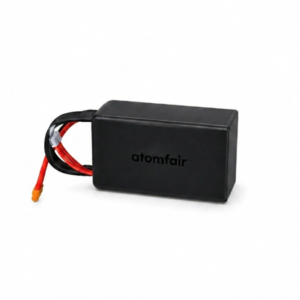
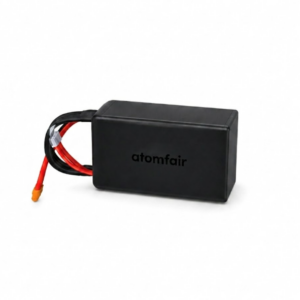
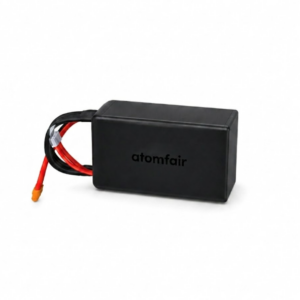
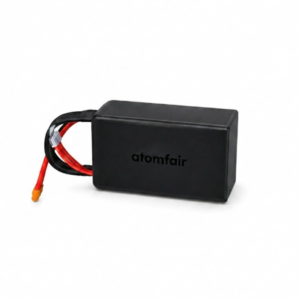
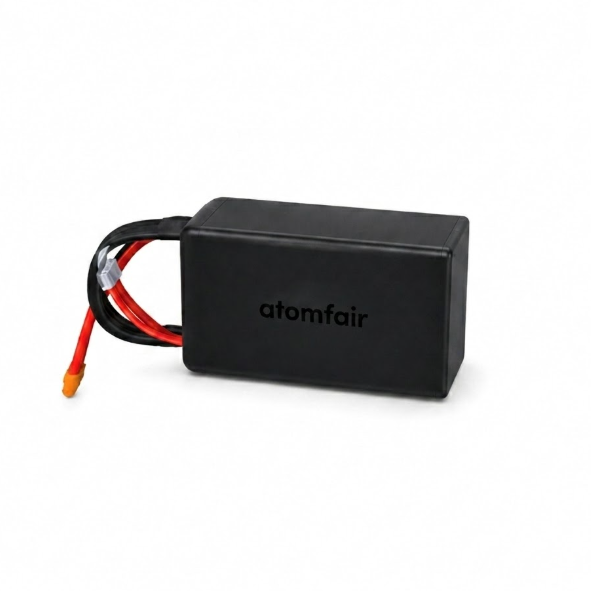
3.95V Semi-Solid Battery 300Wh/kg 35Ah Series | ATOMFAIRCOMMERCIAL GRADE · PRODUCTION
|
||||||||||||||||||||||||||||||||||||||||||||||||||||||||||||||
|
||||||||||||||||||||||||||||||||||||||||||||||||||||||||||||||
|
TAILORED SOLUTIONS FOR RESEARCH
Contact our engineering team for technical support or official institutional quotations.
EMAIL: inquiry@atomfair.com
|
||||||||||||||||||||||||||||||||||||||||||||||||||||||||||||||
|
Manufacturer: Atomfair LLC
Brand: ATOMFAIR®
|
This semi-solid battery requires adherence to specified charge and discharge limits to prevent thermal runaway or capacity loss. Operation beyond 8C peak discharge or charging above 1C may compromise cell integrity.
- Charge Limitation: Charge current must not exceed 1C to avoid overcurrent stress.
- Discharge Limitation: Continuous discharge should not exceed 5C, and peak discharge is limited to 8C.
- Voltage Specification: Nominal voltage is 3.95V; overvoltage protection is mandatory.
Follow these steps to safely charge and discharge the battery for the first time. Ensure the battery is connected to a compatible charger with proper voltage settings.
- Connect to Charger
Connect the battery to a charger capable of constant current and constant voltage charging. - Set Charge Current
Set the charge current to 1C (35A) based on the nominal capacity. - Monitor Voltage
Monitor the battery voltage and stop charging when it reaches 3.95V. - Discharge Operation
Apply load up to 5C continuous discharge rate or 8C peak as needed.
How does the 330 Wh/kg energy density of the semi-solid battery translate to a weight trade-off versus a conventional lithium-ion pouch cell at the same 35 Ah capacity?
The 330 Wh/kg energy density enables a significant weight reduction compared to conventional lithium-ion cells, which typically deliver 200–250 Wh/kg. For a 35 Ah cell at 3.95 V nominal, the total energy is approximately 138 Wh, yielding a cell weight of roughly 418 g for the semi-solid design versus 552–690 g for a standard Li-ion pouch. This weight saving is critical for UAV and robotics applications where every gram affects flight time or payload capacity.
Can the 3.95V 330Wh/kg semi-solid battery be integrated into an existing battery management system designed for standard lithium-ion pouch cells?
Yes, integration is feasible because the semi-solid cell operates at a nominal voltage of 3.95 V, which is within the typical range for lithium-ion chemistries (3.6–4.2 V). However, the BMS must be configured to support a 1C maximum charge rate and a 5C continuous discharge rate, as specified for all models in the series. The semi-solid electrolyte does not introduce unique voltage thresholds, but the BMS should monitor for the reduced leakage risk and improved thermal stability inherent to this chemistry.
What are the specific handling and storage requirements for the semi-solid electrolyte pouch cells to maintain safety and performance?
The cells are packaged in moisture-barrier vacuum-sealed aluminum foil bags and individually packed in anti-static cartons to prevent moisture ingress and electrostatic discharge damage. Storage should be in a dry, temperature-controlled environment (recommended 15–25°C) to preserve the semi-solid electrolyte's stability. Unlike liquid-electrolyte cells, the semi-solid design reduces leakage risk, but mechanical puncture or compression must still be avoided to prevent internal short circuits.
The 3.95V 330Wh/kg Semi-Solid Battery 35Ah Series delivers ultra-high energy density and robust rate capability (1C charge, 5C continuous/8C peak discharge) for weight-sensitive applications like UAVs and robotics, while its semi-solid electrolyte enhances safety. However, the pouch cell format necessitates strict moisture and electrostatic discharge control during storage and handling, as indicated by the moisture-barrier vacuum packaging and anti-static cartons.
Positive
- Ultra-High Energy Density (330 Wh/kg): Enables extreme lightweight design critical for UAVs, portable power stations, and electric equipment where mass reduction is paramount.
- Enhanced Safety via Semi-Solid Electrolyte: The semi-solid electrolyte reduces leakage risk and improves thermal stability compared to conventional liquid electrolytes, increasing operational safety.
Trade-offs
- Moisture Sensitivity in Storage: Cells are supplied in moisture-barrier vacuum-sealed bags, indicating that exposure to ambient humidity can degrade performance; controlled-humidity storage is required.
- Electrostatic Discharge Sensitivity: Anti-static cartons are used for packaging, implying that the cells are vulnerable to ESD damage and require anti-static handling procedures during installation and integration.
Every advanced material, component, equipment, and instrument in our catalog is backed by rigorous testing. We maintain strict internal quality management frameworks and align with CE conformity metrics to deliver transparent, reproducible performance data via our public open-science repository.
To request raw batch performance data, submit formal vendor registration paperwork, or execute a fast-turnaround R&D manufacturing loop, contact us at inquiry@atomfair.com.
Item is dispatched under the Atomfair Shipping & Delivery Framework (Free worldwide shipping on orders over $59 USD). Return is governed by the Atomfair Return & Refund Policy (7-day technical return window).