Description
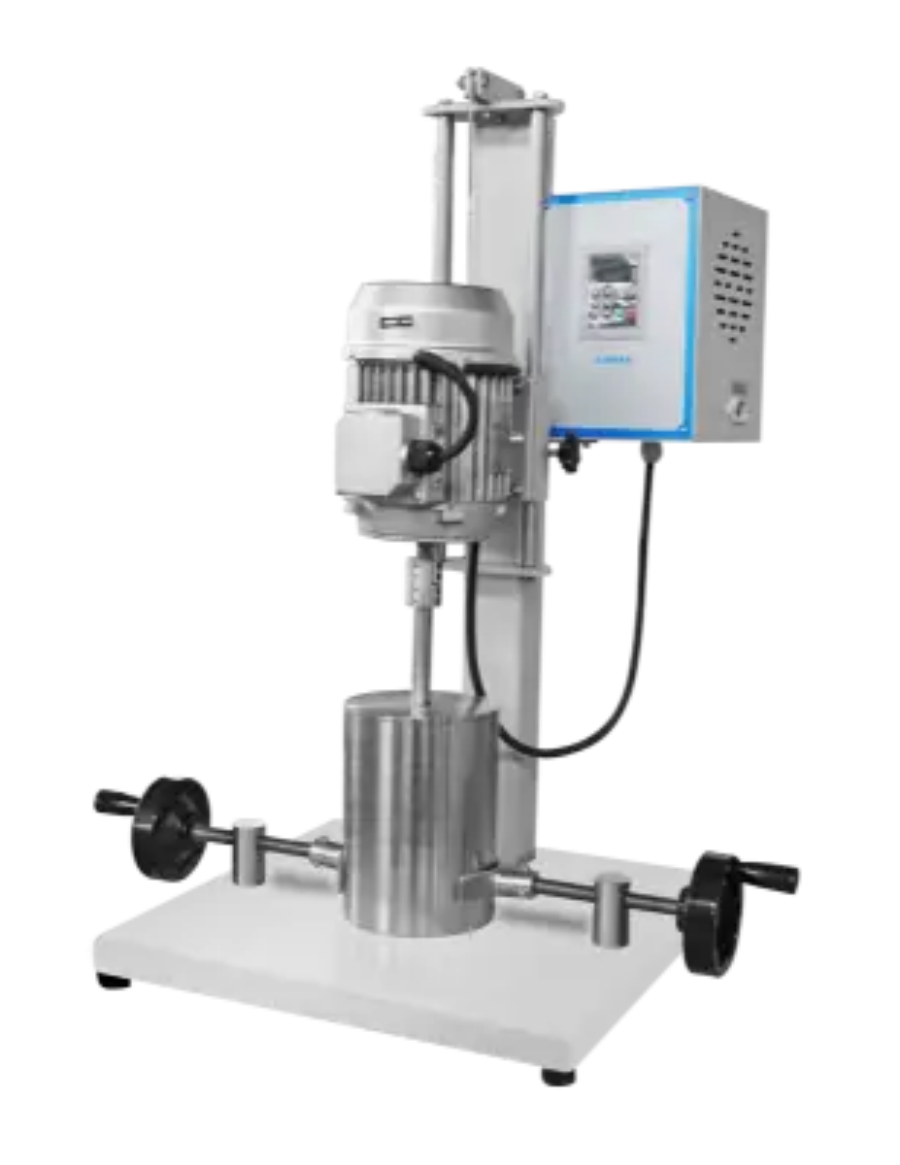
ATOMFAIR SBM-3L LABORATORY STIRRED BALL MILL ULTRASFINE GRINDINGRESEARCH GRADE EQUIPMENT
|
||||||||||||||||||||||||||||||||||||||||||||||||||||||||||||||||||||||||||||||||||||||||||||||||||||||||||||||||||||||||||||||||||||||||||||||||||||||||
|
||||||||||||||||||||||||||||||||||||||||||||||||||||||||||||||||||||||||||||||||||||||||||||||||||||||||||||||||||||||||||||||||||||||||||||||||||||||||
|
TAILORED SOLUTIONS FOR RESEARCH
Contact our engineering team for technical support or official quotations.
EMAIL: inquiry@atomfair.com
|
||||||||||||||||||||||||||||||||||||||||||||||||||||||||||||||||||||||||||||||||||||||||||||||||||||||||||||||||||||||||||||||||||||||||||||||||||||||||
|
Manufacturer: Atomfair LLC
Brand: ATOMFAIR®
|
This stirred mill requires proper electrical grounding and overload protection due to its 0.37 kW motor and variable frequency drive. The grinding cylinder jacket must be connected to a cooling water supply to prevent thermal degradation of heat-sensitive materials.
- Electrical Safety: Ensure the mill is connected to a grounded outlet with appropriate circuit protection for the motor rating.
- Mechanical Guarding: Keep all guards in place during operation to prevent contact with moving parts such as the stirring rod and cylinder.
- Cooling System: Connect the jacket inlet and outlet to a cooling water source before starting the mill to maintain temperature control.
- Material Compatibility: Select grinding cylinder and stirring component materials compatible with the chemical and abrasive properties of the feed material.
- Noise and Vibration: Place the mill on a vibration-dampening surface and use hearing protection if operating at high speeds.
This procedure outlines the steps to safely initialize and operate the laboratory stirred mill for batch grinding. Follow each step sequentially to ensure proper function and avoid damage to the equipment or injury.
Required Equipment: Grinding media (e.g., zirconia beads), Cooling water supply
- Inspect Equipment
Inspect the grinding cylinder, stirring rod, and seals for any signs of wear or damage before operation. - Connect Cooling Water
Connect the jacket inlet and outlet hoses to a cooling water source and verify flow. - Load Grinding Media
Load the appropriate grinding media into the cylinder up to the recommended filling volume. - Add Feed Material
Add the feed material to the cylinder, ensuring the total load does not exceed the loading capacity of 1.05 L. - Secure Cylinder
Close and secure the cylinder lid, then lower the stirring rod into position using the automatic lift control. - Set Speed and Start
Set the desired rotational speed on the VFD control panel between 50 and 1400 rpm, then start the mill. - Monitor Operation
Monitor the mill for abnormal noise, vibration, or temperature rise during operation and stop immediately if any issues occur.
What is the trade-off between grinding media size and the achievable discharge particle size down to ≤1 μm in the JM-3L stirred mill?
The JM-3L relies on small-diameter grinding media to produce discharge particles down to ≤1 μm. Larger media increase impact forces but yield coarser particles, while smaller media generate finer powder at the cost of reduced effective loading capacity (1.05 L) and longer residence times, which decreases throughput. The optimal balance is achieved by selecting a proper ratio of media sizes and adjusting the variable-frequency drive speed (50–1400 rpm) as described in the working principle.
Can the JM-3L be configured with chemically resistant grinding components for processing acidic or alkaline slurries, and does the VFD speed control impose any compatibility restrictions?
Yes, the JM-3L offers optional grinding cylinders and stirring components in stainless steel, nylon, corundum, polyurethane, zirconia, agate, or PTFE, providing broad chemical resistance for various slurry conditions. The frequency conversion speed regulation (VFD) operates independently of the liner material, so no speed or control compatibility issues arise when switching between these wear-resistant materials.
What electrical and cooling infrastructure is required to operate the automatic stirring rod lift and jacketed temperature control on the JM-3L?
The 0.37 kW VFD motor requires a standard single-phase or three-phase electrical supply compatible with the drive, while the integrated automatic stirring rod lift and free-tilting cylinder are mechanically powered and do not need compressed air. The jacketed grinding cylinder demands an external coolant circulation source for precise temperature regulation during grinding, as noted in the product features.
The JM-3L Lab Stirred Mill is a 3-liter volume, 0.37 kW laboratory mill with variable-frequency speed control (50–1400 rpm) and a jacketed grinding cylinder for thermal management. Its high energy efficiency and fine grinding capability (discharge ≤1 μm) suit research-scale powder processing, though the 1.05 L loading capacity and need for media optimization require careful process planning.
Positive
- High Energy Efficiency and Low Noise Operation: The stirrer design achieves high power density and energy utilization, resulting in significant energy savings and low vibration/noise levels during operation.
- Jacketed Temperature Control and Flexible Speed Regulation: The grinding cylinder incorporates a cooling/heating jacket for precise temperature management, while the variable frequency drive allows continuous speed adjustment from 50 to 1400 rpm to optimize grinding conditions.
Trade-offs
- Limited Batch Loading Capacity of 1.05 L: The maximum material loading of 1.05 liters restricts throughput to small-scale laboratory batches, making it unsuitable for larger sample volumes without repeated runs.
- Requires Optimization of Grinding Media Parameters: Achieving desired particle size and distribution demands careful selection of media size, shape, and ratio, as well as speed tuning, adding a layer of process development effort.
Every advanced material, component, equipment, and instrument in our catalog is backed by rigorous testing. We maintain strict internal quality management frameworks and align with CE conformity metrics to deliver transparent, reproducible performance data via our public open-science repository.
To request raw batch performance data, submit formal vendor registration paperwork, or execute a fast-turnaround R&D manufacturing loop, contact us at inquiry@atomfair.com.
Item is dispatched under the Atomfair Shipping & Delivery Framework (Free worldwide shipping on orders over $59 USD). Return is governed by the Atomfair Return & Refund Policy (7-day technical return window).