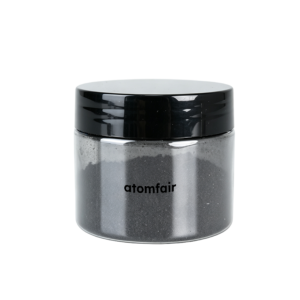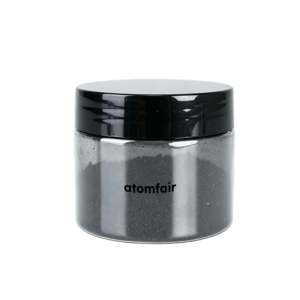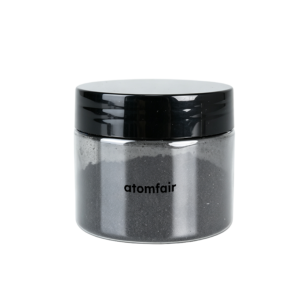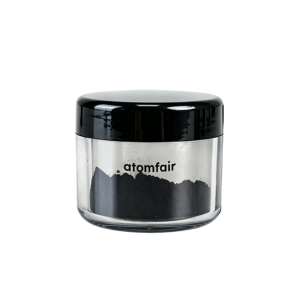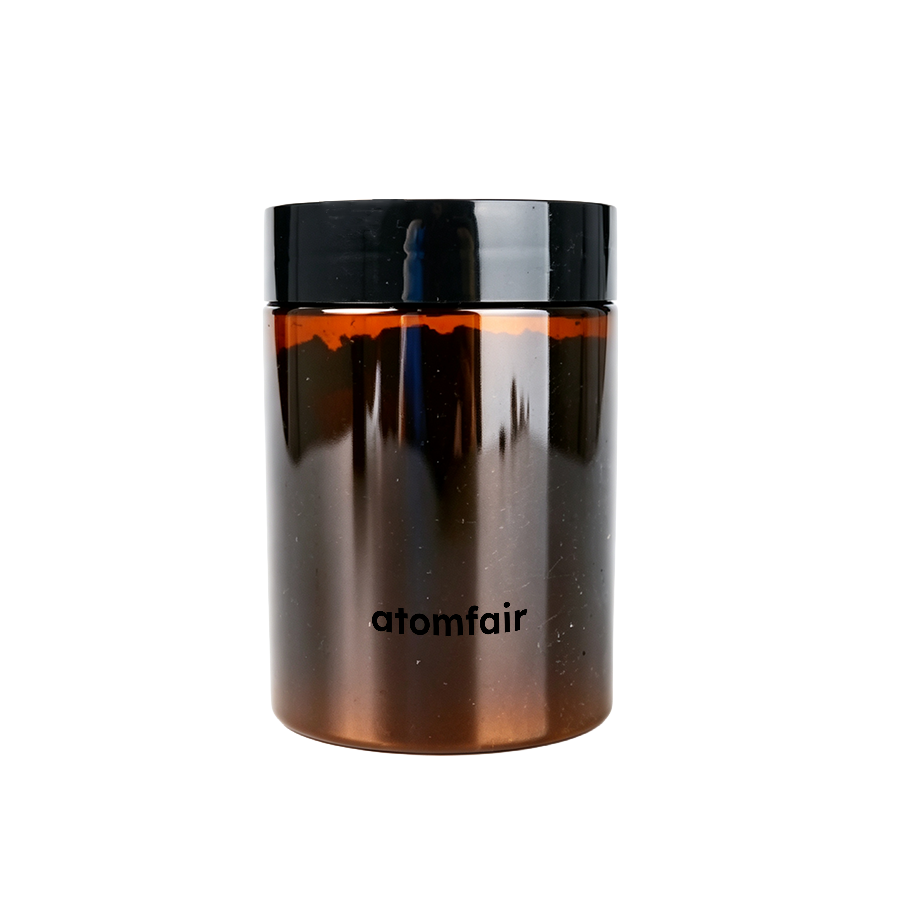
Ni Coated Multi-walled carbon nanotubes, OD >50 nm,, length <10umProduct Type: Multi-walled carbon nanotube material
Research-grade laboratory product
|
|||||||||||||||||||||
|
|||||||||||||||||||||
|
LABORATORY PROCUREMENT SUPPORT
For model selection, material specification matching, application fit or quotation confirmation, contact our technical sales team.
E-MAIL: inquiry@atomfair.com
|
|||||||||||||||||||||
|
Supplier: Atomfair
Brand: ATOMFAIR®
|
Manufacturer: Atomfair LLC
Brand: ATOMFAIR®
Store in a sealed container under inert atmosphere to prevent moisture absorption and oxidation. Avoid inhalation of airborne particles; use appropriate personal protective equipment.
- Environmental Storage: Maintain the container in a dry, cool environment away from direct sunlight and ignition sources.
- Containment: Keep the container tightly sealed when not in use to prevent contamination and moisture ingress.
- Handling Precautions: Use a fume hood or glovebox when handling the powder to minimize inhalation risk.
- Incompatibility: Avoid contact with strong oxidizers, acids, and open flames due to potential reactivity.
- Disposal: Dispose of waste material according to local regulations for nanomaterial and metal-containing waste.
This procedure outlines safe handling and initial dispersion steps for the nanomaterial. Use appropriate personal protective equipment and work in a controlled environment.
Required Equipment: Glovebox with inert gas supply, Analytical balance, Sealed glass vial or container, Ultrasonic bath
- Weigh
Weigh the required amount of CNT powder inside a glovebox under inert atmosphere to prevent moisture adsorption. - Transfer
Transfer the weighed powder to a sealed glass vial containing the chosen solvent for dispersion. - Disperse
Sonicate the mixture in an ultrasonic bath until a uniform dispersion is achieved, typically within 10–30 minutes.
How does the high nickel content (>60%) in Ni-coated MWCNTs affect their electrical conductivity and magnetic properties compared to uncoated multi-walled carbon nanotubes?
The product specification indicates Ni content >60% and CNTs >38%, but does not provide direct conductivity or magnetic property data. The high nickel loading is expected to impart magnetic functionality, which may alter the electrical conductivity relative to pristine CNTs. Users should confirm the specific conductivity and magnetic requirements for their application through a technical inquiry or quotation request.
What dispersion or composite formulation workflows are compatible with Ni-coated MWCNTs having OD >50 nm and length <10 µm?
The product is intended for use in dispersion, composite, film, electrode, conductivity, and nanocarbon research workflows. The large outer diameter (>50 nm) and short length (<10 µm) influence dispersion behavior and percolation threshold. The Ni coating may require solvent compatibility checks. For precise workflow matching, contact technical sales or review the selection and use notes.
What procurement and infrastructure considerations should be confirmed before ordering bulk quantities of Ni-coated MWCNTs?
According to the product description, bulk quantity requirements must be confirmed when requesting quotation support. This ensures that the material form, dimensional specifications, Ni content, and packaging can be supplied consistently for larger volumes. For specific logistics or handling guidelines, the manufacturer recommends contacting their technical sales team.
This Ni-coated multi-walled carbon nanotube material (OD >50 nm, length <10 μm) provides a high nickel content (>60%) for catalytic or magnetic applications, but the thick diameter and short length limit dispersion uniformity and increase bundling tendency in composite processing.
Positive
- High nickel content for catalytic use: Ni content >60% with CNTs >38% provides a high metal loading suitable for catalytic, magnetic, or electrochemical electrode applications where nickel surface activity is required.
- Large outer diameter for structural stability: Outer diameter >50 nm offers greater mechanical rigidity and reduced risk of collapse during processing compared to smaller-diameter nanotubes, beneficial for composite reinforcement.
Trade-offs
- Short length limits percolation efficiency: Length <10 μm reduces the aspect ratio, which may decrease electrical percolation network formation and mechanical interlocking in polymer composites compared to longer nanotubes.
- Bundling tendency from nickel coating: The nickel coating can increase inter-tube van der Waals attraction and magnetic aggregation, requiring aggressive dispersion protocols (e.g., ultrasonication or surfactant addition) to achieve uniform suspensions.
Every advanced material, component, equipment, and instrument in our catalog is backed by rigorous testing. We maintain strict internal quality management frameworks and align with CE conformity metrics to deliver transparent, reproducible performance data via our public open-science repository.
To request raw batch performance data, submit formal vendor registration paperwork, or execute a fast-turnaround R&D manufacturing loop, contact us at inquiry@atomfair.com.
Item is dispatched under the Atomfair Shipping & Delivery Framework (Free worldwide shipping on orders over $59 USD excl. heavy equipment). Return is governed by the Atomfair Return & Refund Policy (7-day technical return window).