Description
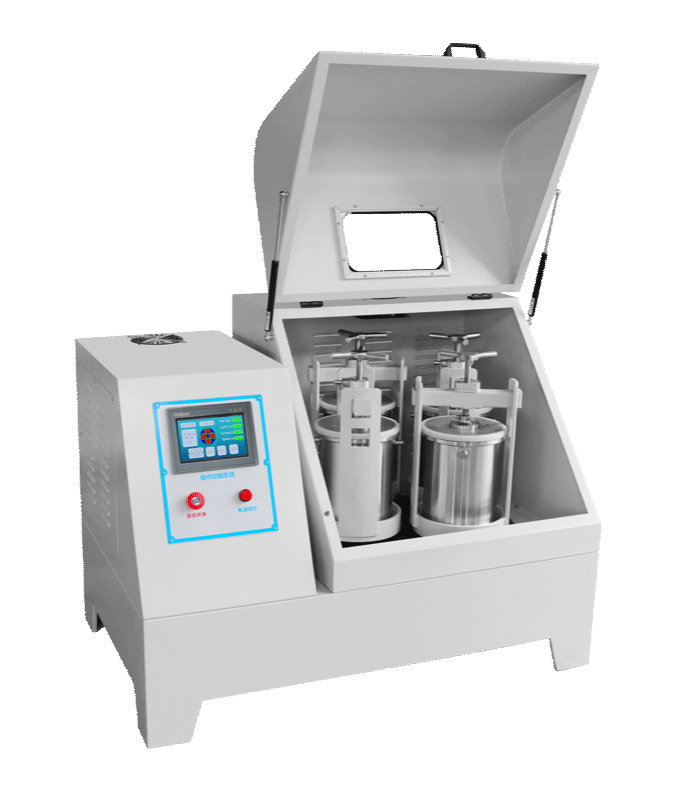
ATOMFAIR MPBM-16A TOUCHSCREEN PLANETARY BALL MILL PLC LAB GRADERESEARCH GRADE EQUIPMENT
|
|||||||||||||||||||||||||||||||||||||||||||||||||||||||||||||||||||||||||||||||||||||||||||||||||||||||||||||||||||||||||||||||||||||||||||||||||
|
|||||||||||||||||||||||||||||||||||||||||||||||||||||||||||||||||||||||||||||||||||||||||||||||||||||||||||||||||||||||||||||||||||||||||||||||||
|
TAILORED SOLUTIONS FOR RESEARCH
Contact our engineering team for technical support or official quotations.
EMAIL: inquiry@atomfair.com
|
|||||||||||||||||||||||||||||||||||||||||||||||||||||||||||||||||||||||||||||||||||||||||||||||||||||||||||||||||||||||||||||||||||||||||||||||||
|
Manufacturer: Atomfair LLC
Brand: ATOMFAIR®
|
The planetary ball mill must be stored in a clean, dry environment away from corrosive chemicals and excessive moisture. The equipment requires proper grounding and should only be operated with securely fastened grinding jars and appropriate protective enclosures.
- Storage Conditions: Store the mill in a vibration-free area with controlled temperature and humidity to prevent corrosion and electrical damage.
- Electrical Safety: Connect the mill to a grounded power source with a capacity matching the rated power to avoid overheating or electrical faults.
- Mechanical Safety: Ensure all protective covers and interlocks are in place before operating the mill to prevent injury from rotating parts.
- Jar and Media Requirements: Use only compatible grinding jars and balls that are properly sized and secured to the mill platform before starting.
This procedure describes the safe setup and operation of the planetary ball mill for grinding materials. Follow each step sequentially to ensure proper loading, programming, and monitoring of the milling process.
Required Equipment: Grinding jars, Grinding balls, Touch screen controller
- Inspect the mill
Inspect the mill for any damage or foreign objects and ensure the work area is clean and clear. - Select jars and media
Select appropriate grinding jars and balls based on material type and desired particle size. - Load the jars
Load the material and grinding balls into the jars, leaving adequate headspace for movement. - Secure jars onto mill
Secure the filled jars onto the mill platform with the locking mechanism to prevent dislodging during operation. - Set operating parameters
Set the desired rotation speed, time, and direction using the touch screen interface. - Start the mill
Start the mill and monitor the operation for any unusual noises or vibrations. - Stop and unload
Allow the mill to stop completely before opening the lid and carefully removing the jars.
How does the 480 rpm jar rotation speed of the PBM-16A affect milling efficiency for hard versus brittle materials compared to higher-speed models in the PBM series?
The PBM-16A operates at a fixed maximum jar rotation speed of 480 rpm, which is lower than mini-type models (e.g., PBM-0.2 at 1160 rpm), making it optimized for high-torque milling of dense or hard materials rather than ultra-fine grinding of brittle substances. For hard materials such as alumina ceramics or zirconia, the 2.2 kW motor power and Φ508 mm orbiting diameter provide sufficient impact force at moderate speeds, while brittle materials may require longer milling times at this speed to achieve equivalent fineness.
What jar material and size constraints should be considered when using the PBM-16A for lithium cobalt oxide synthesis?
The PBM-16A accepts jars with a base inner diameter of 320 mm; for lithium cobalt oxide, zirconia or alumina jars with matching outer diameters are recommended to avoid cross-contamination. Jars and grinding balls are not included with the main machine and must be ordered separately, with capacity selection guided by the 320 mm base dimension and the semi-circular geometry of the mill.
What infrastructure requirements (power, space, ventilation) are needed to safely operate the PBM-16A 2.2 kW planetary ball mill in a laboratory setting?
The PBM-16A requires a dedicated electrical circuit capable of supplying 2.2 kW motor power and a level, reinforced floor or bench to support its 370 kg net weight. Its overall dimensions of 1300×750×800 mm demand adequate clearance for access and operation. The touch screen PLC includes safety features such as fault alarm and power-off memory, but users should also consider soundproofing or local exhaust ventilation when milling materials that generate dust or heat.
The PBM-16A Semi-Circular Planetary Ball Mill offers advanced programmable touch screen control for precise and repeatable milling across a broad range of materials, but requires separate purchase of grinding jars and balls and operator familiarization with its advanced features.
Positive
- Programmable Touch Screen Control: The integrated touch screen PLC enables free programming, multi-program storage, real-time process monitoring, and fault alarm, providing precise and repeatable milling control.
- Wide Material Compatibility: Suitable for grinding a wide range of materials including advanced ceramics, battery materials, catalysts, luminescent powders, and nanomaterials, making it versatile for multiple research and production fields.
Trade-offs
- Accessories Not Included: Grinding jars and grinding balls must be purchased separately, adding to the initial investment and requiring careful matching to the material and desired particle size.
- Advanced Programming Requires Familiarization: The advanced control features, including password settings, custom programs, and fault alarms, assume operator proficiency for effective use, which may necessitate initial training.
Every advanced material, component, equipment, and instrument in our catalog is backed by rigorous testing. We maintain strict internal quality management frameworks and align with CE conformity metrics to deliver transparent, reproducible performance data via our public open-science repository.
To request raw batch performance data, submit formal vendor registration paperwork, or execute a fast-turnaround R&D manufacturing loop, contact us at inquiry@atomfair.com.
Item is dispatched under the Atomfair Shipping & Delivery Framework (Free worldwide shipping on orders over $59 USD). Return is governed by the Atomfair Return & Refund Policy (7-day technical return window).